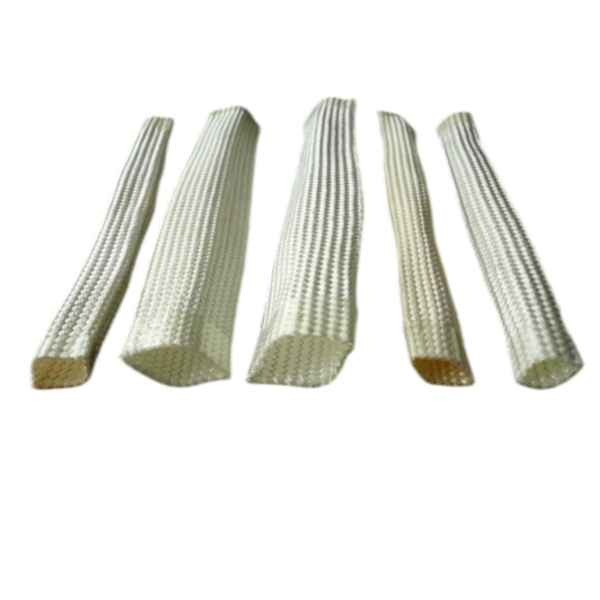
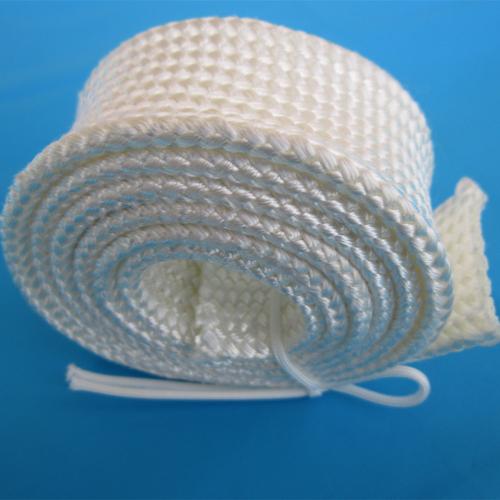
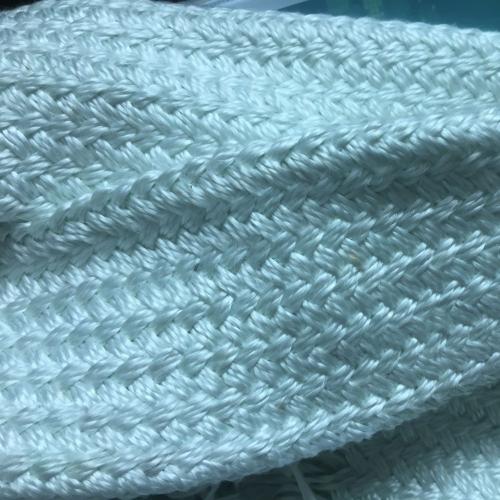
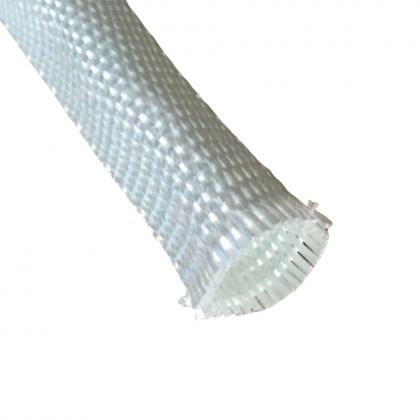
BSTFLEX manufactures silica sleeve and high-temperature silica sleeving for thermal protection of hoses, hydraulic lines, cables, wires, pipes and industrial components operating around severe heat sources. Our silica fiber sleeves are available in braided and texturized constructions to accommodate different requirements for flexibility, insulation structure, component diameter and installation conditions.
As a silica sleeve manufacturer, we support standard and custom diameters, continuous rolls, pre-cut lengths, OEM production and application-specific development for automotive, exhaust, furnace, foundry, power-generation and industrial thermal protection systems.
Browse the silica sleeve products below or send BSTFLEX your diameter, temperature, application and quantity for product selection and quotation.

Our silica sleeving range includes different textile constructions rather than one universal sleeve. Product selection should be based on the component being protected, required diameter, operating temperature, heat source, movement and available installation space.
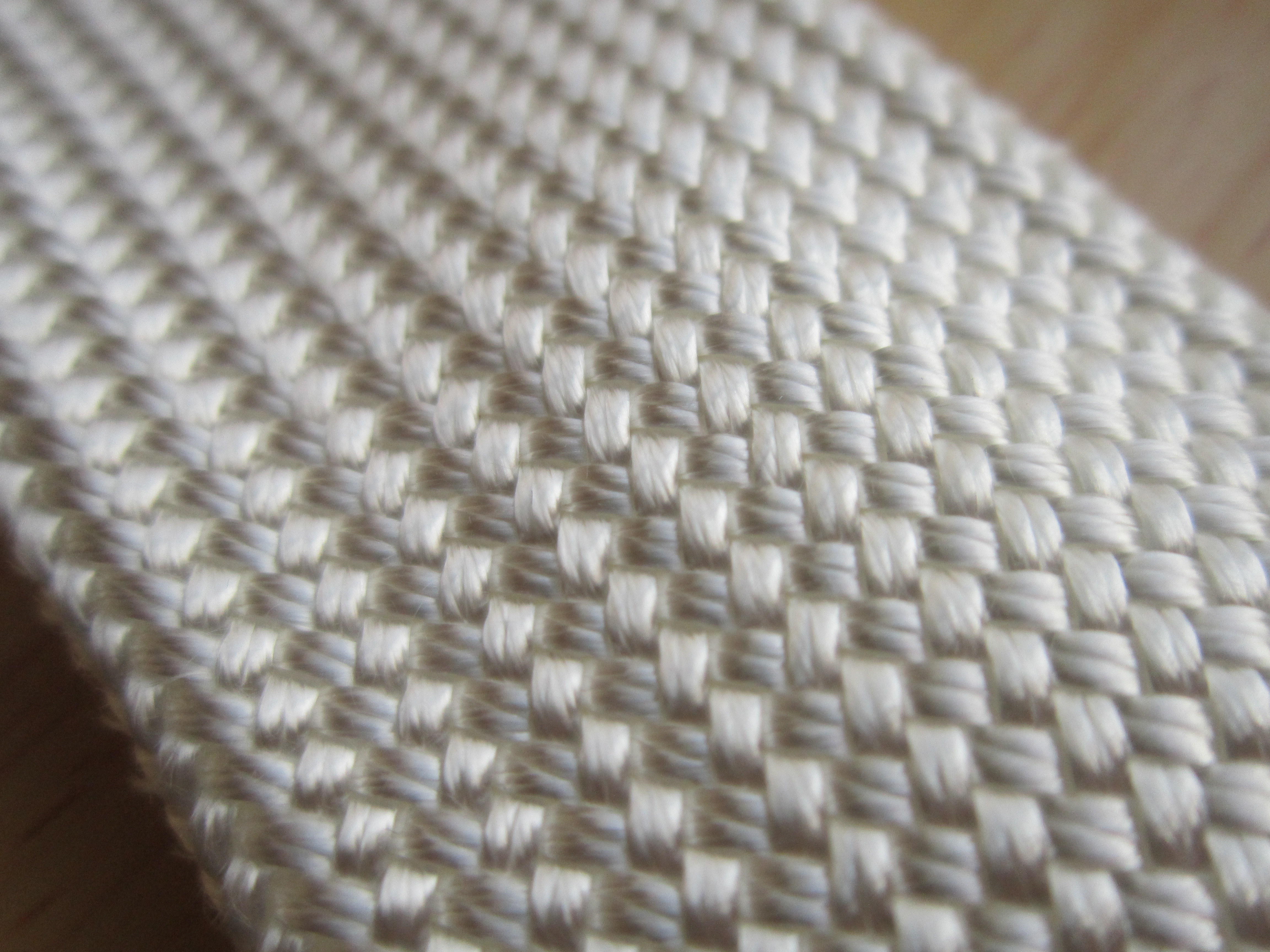
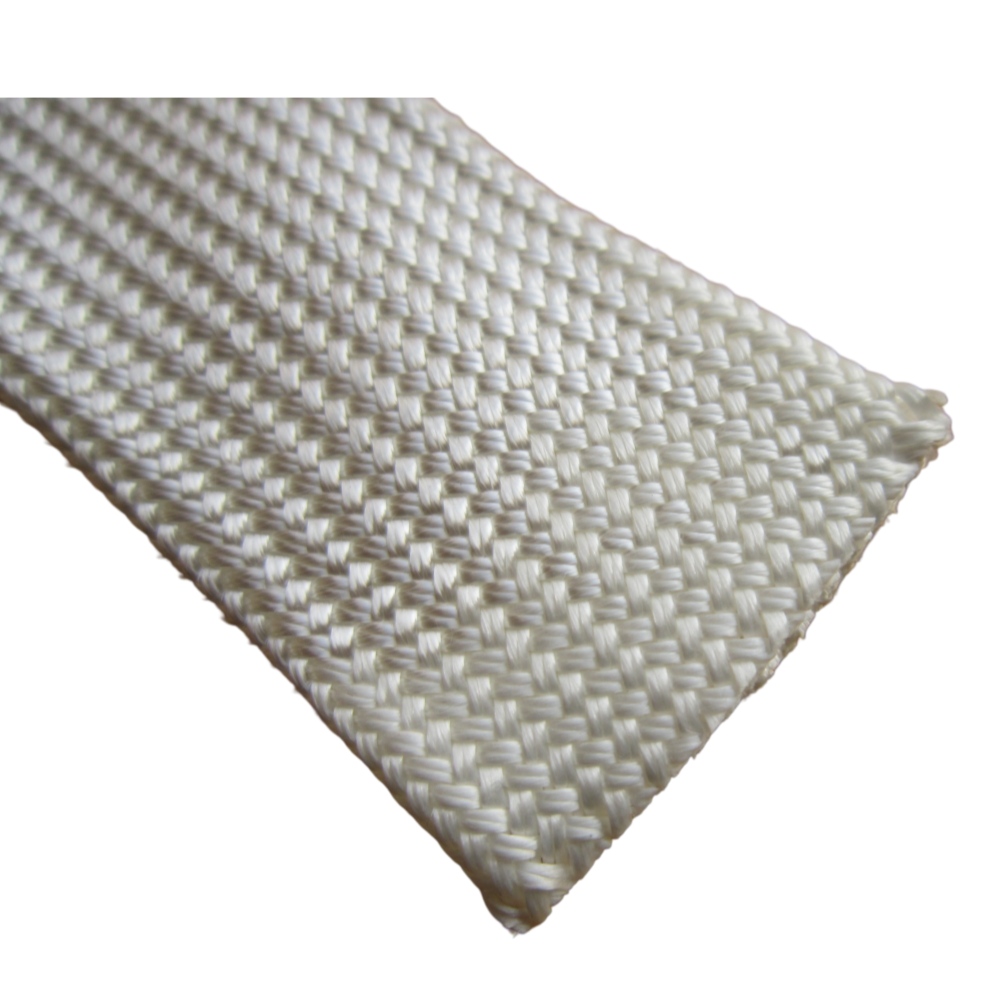
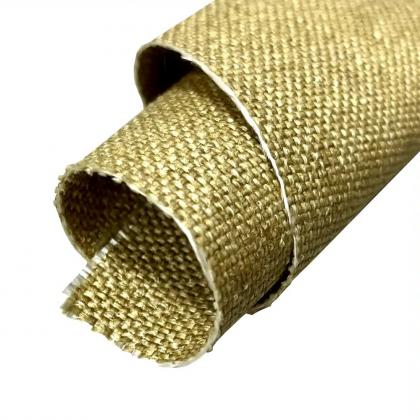
A flexible braided silica fiber sleeve for high-temperature protection of hydraulic hoses, electrical cables, wires, tubing and other components exposed to severe ambient or radiant heat.
The braided tubular construction provides flexibility for curved routing and can accommodate suitable variations in component diameter. This makes it particularly useful where a rigid thermal barrier would be difficult to install.
The current product specification lists maximum temperature resistance up to 1,200°C (2,192°F). Actual application performance depends on exposure duration, sleeve construction, distance from the heat source and the allowable temperature of the protected component.
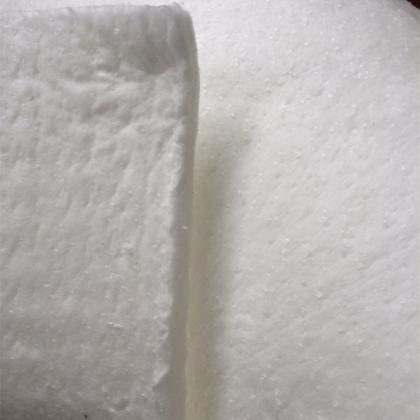
A soft and flexible texturized silica sleeve designed for high-temperature insulation around suitable pipes, hoses, cables, wires and industrial components.
The texturized construction provides a different textile structure from braided sleeving and can be considered where thermal insulation volume and conformability are important selection factors.
The current product specification lists continuous temperature resistance up to 1,000°C (1,832°F).

High-temperature protection projects rarely have identical dimensional and operating requirements. A sleeve for a small sensor cable near a furnace is different from a sleeve installed over a hydraulic hose beside an exhaust system or around an industrial pipe exposed to continuous process heat.
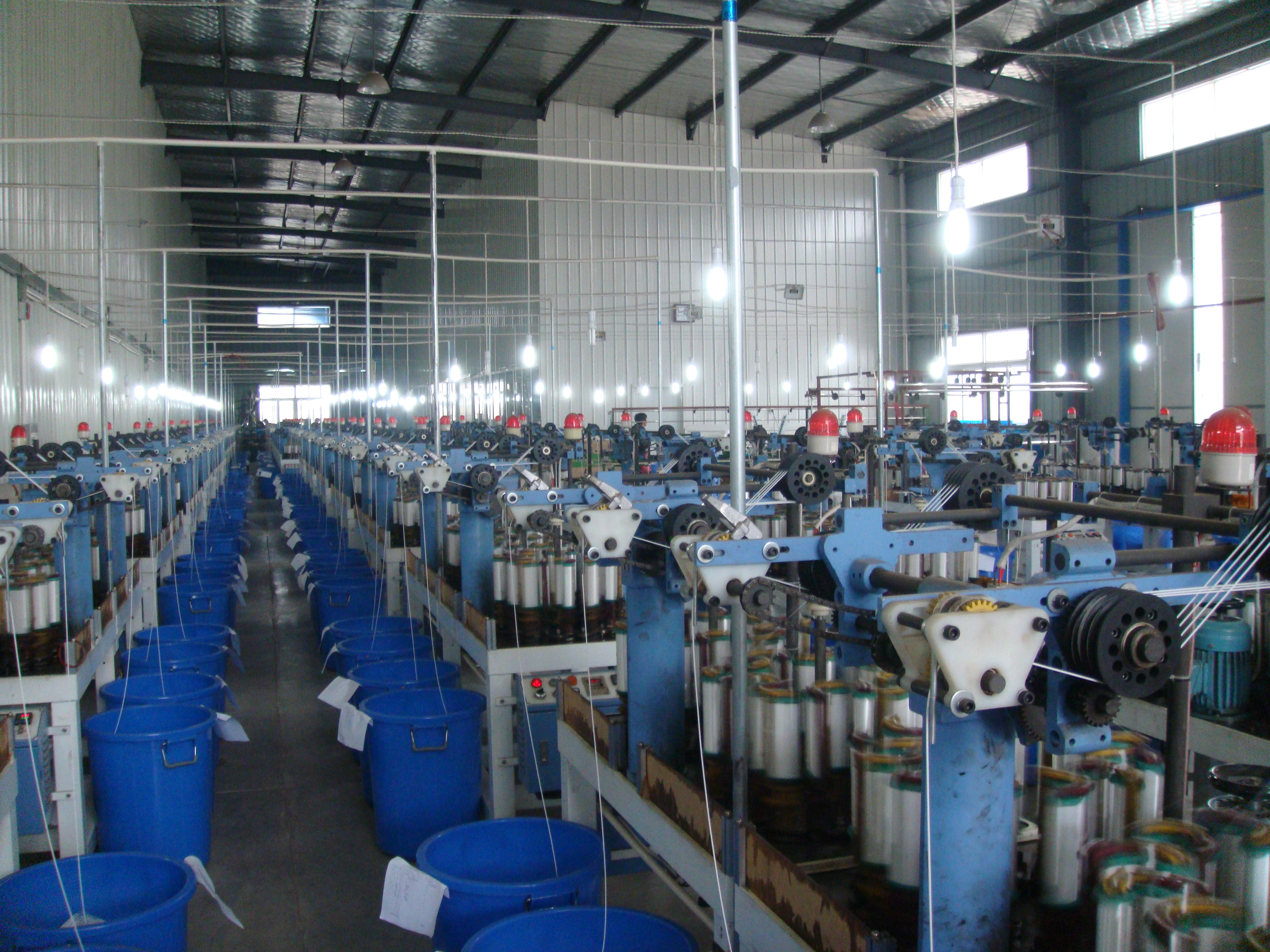
BSTFLEX manufactures silica sleeving according to both standard product specifications and project-specific requirements. For custom applications, customers can provide the component outside diameter, maximum fitting or connector size, required sleeve length, operating temperature and heat-source information.
Our manufacturing capabilities include:
For applications with unusual dimensions, bends, fittings or restricted installation space, a drawing or photograph of the finished assembly can help determine a more practical sleeve configuration before production.
Industrial purchasing requirements extend beyond choosing a material from a catalog. Diameter tolerance, finished length, packaging, order quantity and production consistency can be as important as the temperature capability of the fiber.
BSTFLEX supplies silica sleeves for prototype evaluation, maintenance requirements, small production batches and volume OEM programs.
For a purchasing inquiry, provide the following information whenever available:
| RFQ Information | Recommended Detail |
|---|---|
| Application | Hose, cable, wire, pipe, tube or other component |
| Component OD | Actual finished outside diameter |
| Maximum fitting OD | Required when the sleeve must pass over a fitting or connector |
| Sleeve length | Continuous roll or pre-cut length |
| Continuous temperature | Normal operating thermal exposure |
| Peak temperature | Maximum intermittent exposure and duration |
| Heat source | Exhaust, furnace, hot pipe, engine or industrial equipment |
| Movement | Static, vibration, bending or continuous movement |
| Quantity | Prototype quantity or production requirement |
| Special requirements | Packaging, labeling, cut length or other OEM specifications |

The correct sleeve should match the actual installation rather than simply carry the highest available temperature rating. Component geometry, movement, heat exposure and installation sequence can all affect the final selection.
| Application Requirement | Recommended Starting Point | Important Selection Factor |
|---|---|---|
| Flexible hydraulic hose protection | Braided silica sleeve | Hose OD, fitting OD, movement and radiant heat |
| Electrical cable and wire protection | Braided silica fiber sleeve | Cable OD, connector size and routing |
| Hot pipe and tubing | Evaluate braided or texturized construction | Pipe surface temperature and geometry |
| Furnace instrumentation | High-temperature silica sleeving | Cable temperature limit and radiant exposure |
| Compact curved routing | Braided construction | Diameter, bends and installation clearance |
| Applications requiring additional insulation volume | Texturized silica sleeve | Available space and thermal requirement |
Silica sleeving is used where hoses, cables, wires, pipes and other components require a flexible barrier against severe ambient, radiant or contact heat. The sleeve construction should be selected according to the actual application rather than treating all high-temperature environments as identical.
Hydraulic hoses operating near exhaust systems, furnaces, foundries and hot industrial machinery can experience external heat even when the hydraulic fluid itself remains within its normal operating range.
A braided silica sleeve can provide an additional thermal layer around the hose while retaining flexibility for suitable moving assemblies.
Cables and wiring routed beside exhaust components, engines, industrial furnaces and hot process equipment may require additional protection for their insulation and outer jackets.
Silica sleeving can be installed around individual cables, wire bundles, sensor leads and selected sections of wiring harnesses exposed to severe heat.
Silica sleeves can be used in suitable pipe and tubing applications where flexible high-temperature textile protection is required.
For direct pipe insulation, surface temperature and required thermal performance should be evaluated. For tubing located near another heat source, distance and radiant exposure become important.
Thermocouple leads, furnace sensor cables, burner wiring and instrumentation can operate close to furnace walls, doors, hot ducts and other severe heat sources.
The temperature capability of the sensing element and the temperature limit of the cable should be considered separately when selecting protection.
Exhaust manifolds, turbochargers, downpipes and engine exhaust systems create concentrated heat in compact spaces.
Silica sleeving can be considered for protection of suitable hoses, cables, wires and tubing routed near these components. Direct exhaust-pipe insulation should be evaluated as a separate thermal condition.
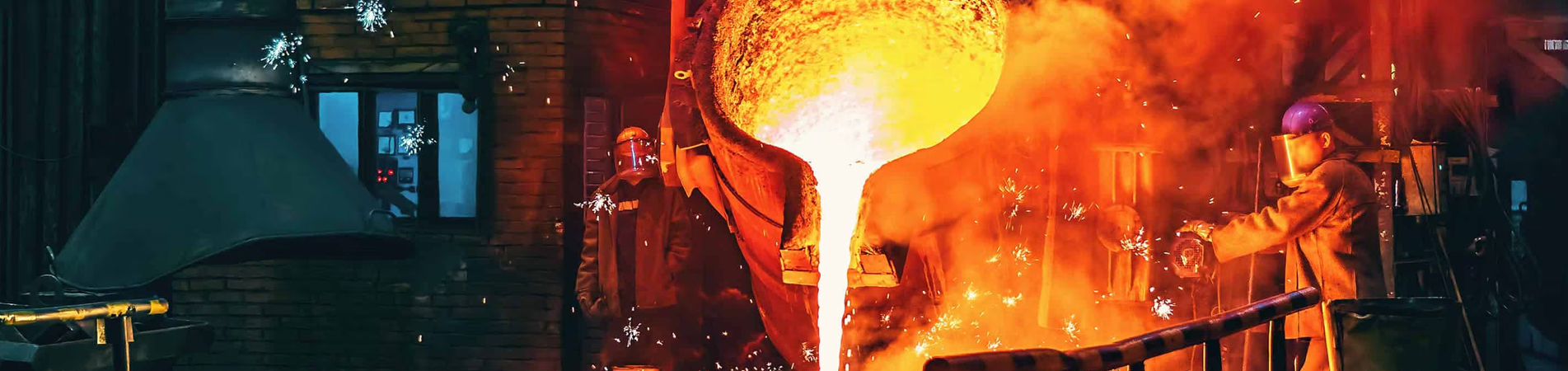
Foundries and steel plants combine high radiant temperatures with demanding industrial conditions. Silica fiber sleeves can provide thermal protection for suitable hoses, cables and components operating near furnaces, casting machinery and hot process equipment.
Direct molten-metal splash should be evaluated separately from general high-temperature resistance.

A standard sleeve size does not always match the finished assembly. BSTFLEX can evaluate custom silica sleeve requirements according to component diameter, fitting dimensions, required length and operating conditions.
Custom projects can include:
Where dimensional fit is critical, sample evaluation on the actual component is recommended before confirming production specifications.
Use the actual outside diameter of the component rather than relying on a nominal hose, pipe or conductor size.
If the sleeve must pass over a fitting, connector, coupling or ferrule, measure that component as well. The largest section that the sleeve must pass over can determine the required installation diameter.
Braided silica sleeving can provide some radial flexibility, but excessive expansion can alter the braid geometry and installed length. Sleeve size should therefore be selected within a practical range rather than relying on maximum possible expansion.
For OEM assemblies, provide a drawing showing:
Temperature capability should always be matched to the specific sleeve construction and exposure condition.
Several temperatures may exist in one installation:
A maximum material temperature should not automatically be interpreted as the continuous operating temperature of the complete insulated assembly.
For demanding applications, provide both continuous and peak temperatures together with the duration of peak exposure.
BSTFLEX focuses on high-temperature textile and thermal protection products for industrial applications. Our silica sleeve products can be supplied for standard requirements or developed around customer-specific assemblies.
For industrial and OEM customers, our approach is based on the actual component and operating environment rather than simply matching a product to one temperature number.
Different standard and custom diameters can be evaluated according to the protected component. Provide the actual hose, cable, wire or pipe outside diameter and the maximum fitting or connector size when requesting a quotation.
Yes. Custom diameter, sleeve length, cut pieces, continuous rolls, packaging and OEM requirements can be evaluated according to the project.
Yes. Silica sleeving can be supplied in continuous lengths or pre-cut pieces according to the assembly and production requirement.
Provide the application, component outside diameter, maximum fitting or connector diameter, required sleeve length, continuous and peak temperatures, heat source, quantity and any special installation requirements.
Yes. Braided silica sleeving can be used for suitable hydraulic hose heat-protection applications. Hose OD, fitting dimensions, movement and the actual thermal environment should be provided for selection.
Yes. Silica sleeves can provide external high-temperature thermal protection around suitable electrical cables, sensor leads and wire bundles. Electrical insulation requirements should be evaluated separately from thermal protection.
Braided silica sleeve provides a flexible tubular braid suitable for many hose, cable, wire and routed-component applications. Texturized silica sleeve uses a different fiber structure and can be considered where a soft, flexible high-temperature insulation construction is required.
Yes. OEM projects can include custom dimensions, cut lengths, packaging, labeling and production requirements. Drawings and samples can be reviewed during development.
Yes. BSTFLEX supplies silica sleeving for industrial production and bulk purchasing requirements as well as prototype and sample quantities.
Selection depends on component geometry, flexibility, installation method, operating temperature,
IPv6 network supported