Complete Guide to Silica Fabric
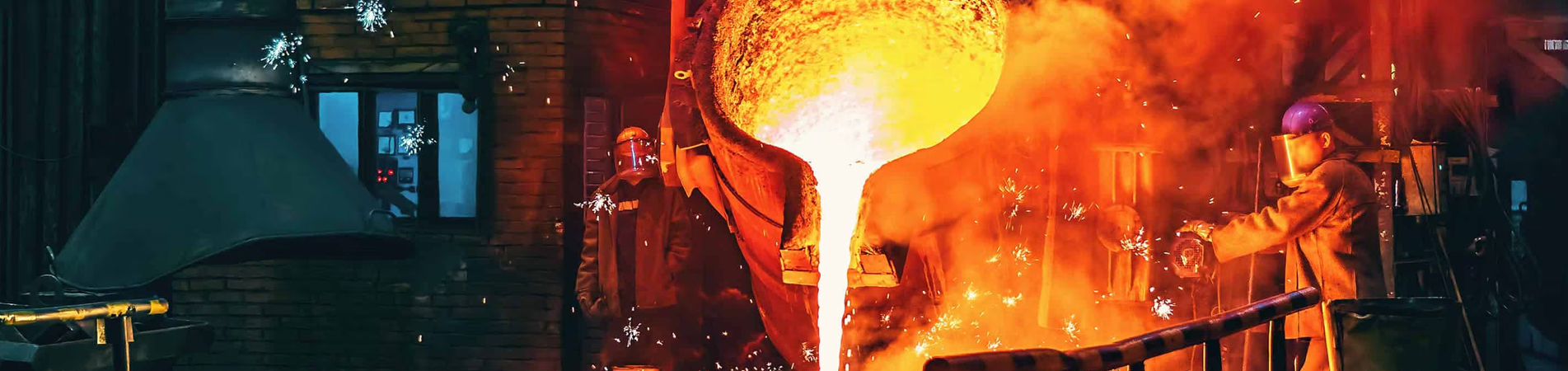
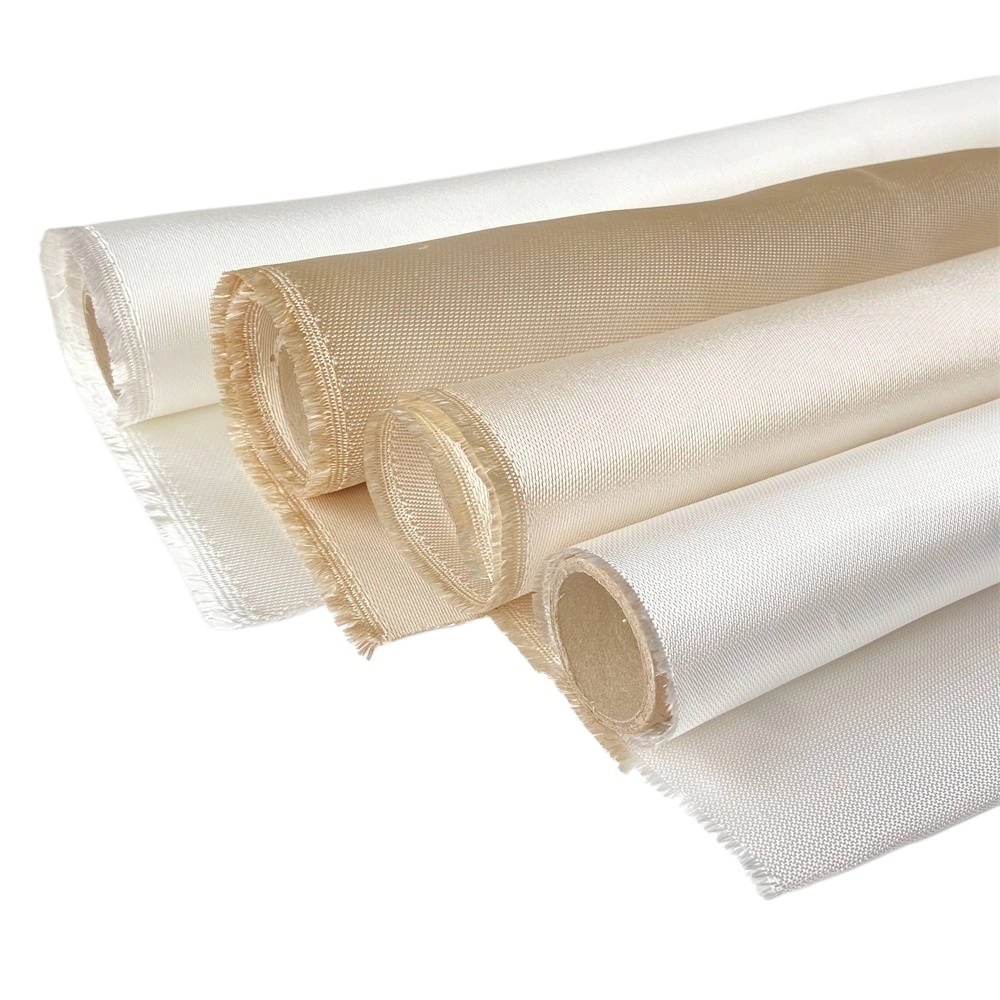
Complete Guide to Silica Fabric Silica fabric is widely used for industrial heat protection because it combines strong thermal stability with practical fabrication options. In global manufacturing, engineers and buyers use silica cloth for welding protection, furnace insulation, exhaust shielding, and fire barriers. This guide explains how silica fabrics are made, how different constructions compare, and how to select the right material for real-world conditions. What Is Silica Fabric? Silica fabric cloth is a high-temperature textile produced from silica-based fibers. In many cases, it starts from fiberglass cloth that is chemically treated to increase the silica (SiO2) content. As silica content increases, the fabric typically offers better heat resistance, improved thermal stability, and lower shrinkage under sustained heat. Key Terms You Will See in Specifications silica fabric: general term for silica-based high-temperature textiles. high silica fabric: commonly refers to higher silica content materials (often around 96% SiO2). silica cloth: another common name, frequently used for woven fabric forms. woven silica fabric: describes fabric made on a loom with stable weave structure. amorphous silica fabrics: silica materials designed to maintain stable structure through thermal cycling. silica fabric insulation: thicker or lofted constructions used to reduce heat transfer. silica welding fabric: fabrics selected for welding blankets, curtains, and spark protection barriers. How Silica Fabrics Work in Heat Protection In high-temperature environments, protection needs usually come from two heat transfer modes: radiant heat and conductive heat. Silica fabrics help reduce heat transfer because silica fibers remain stable at elevated temperatures and form an insulating barrier. For radiant heat-dominant zones, reflective laminations (such as aluminum foil) can reduce the radiant load on protected surfaces. For abrasive or splash environments, coatings can improve durability and surface resistance. Types of Silica Fabrics and Where They Fit 1) 70% Silica Textile (Cost-Effective Heat Protection) 70% silica fabrics are commonly used where high-temperature capability is needed with a balanced cost structure. They are often selected for general industrial heat shielding and standard welding protection tasks. Related product: High Temperature Textile 70% Silica Fibre Cloth 2) 96% High Silica Cloth (Extreme Heat Zones) High silica cloth is chosen when temperature exposure is more severe and dimensional stability is critical. It is widely used for furnace-facing barriers, heavy welding operations, and high-heat industrial shielding. Related product: Fireproof 96% Silica Fibre Cloth 3) Texturized Silica Fabric Insulation (Thicker Thermal Barrier) Texturized silica fabric is designed to increase thickness and insulation efficiency. If your requirement is to reduce heat transfer rather than only resist heat exposure, insula...




 IPv6 network supported