other

Resources

Home /

Resources

  • Complete Guide to Silica Fabric
    Complete Guide to Silica Fabric
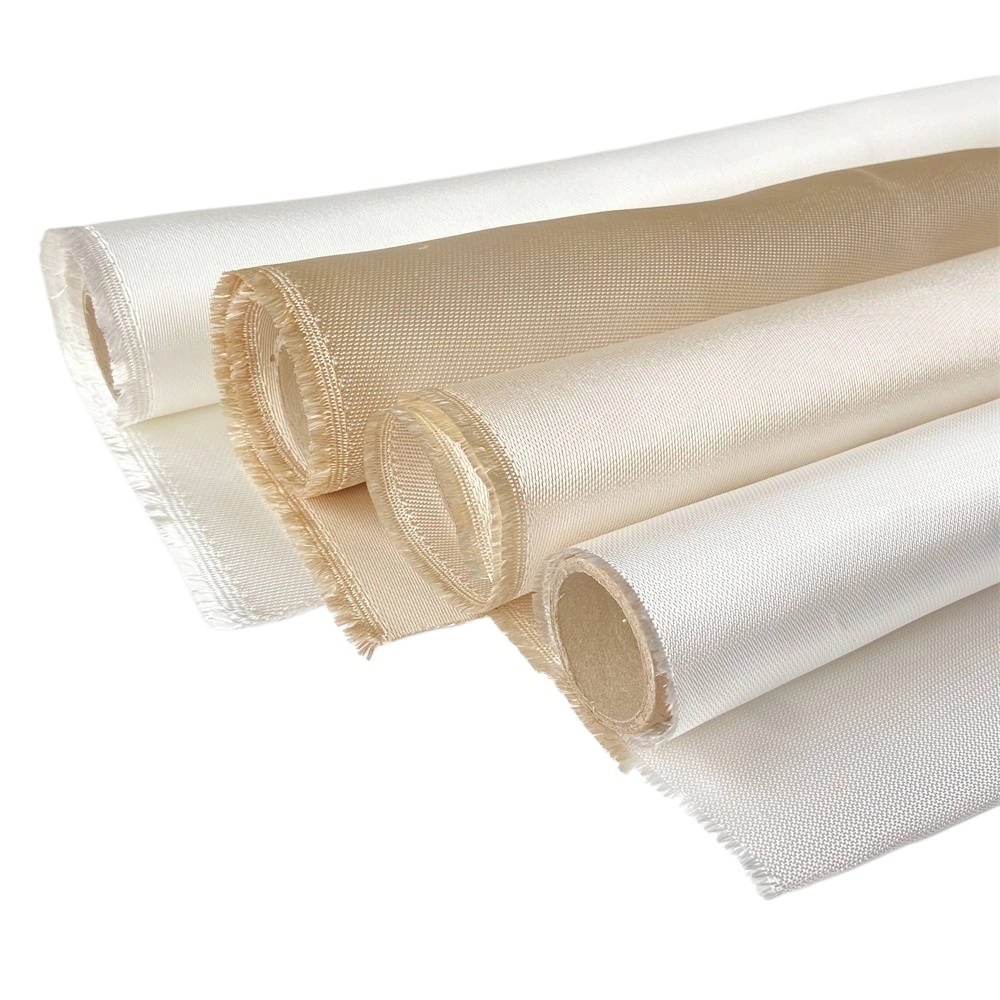
    Complete Guide to Silica Fabric Silica fabric is widely used for industrial heat protection because it combines strong thermal stability with practical fabrication options. In global manufacturing, engineers and buyers use silica cloth for welding protection, furnace insulation, exhaust shielding, and fire barriers. This guide explains how silica fabrics are made, how different constructions compare, and how to select the right material for real-world conditions. What Is Silica Fabric? Silica fabric cloth is a high-temperature textile produced from silica-based fibers. In many cases, it starts from fiberglass cloth that is chemically treated to increase the silica (SiO2) content. As silica content increases, the fabric typically offers better heat resistance, improved thermal stability, and lower shrinkage under sustained heat.   Key Terms You Will See in Specifications silica fabric: general term for silica-based high-temperature textiles. high silica fabric: commonly refers to higher silica content materials (often around 96% SiO2). silica cloth: another common name, frequently used for woven fabric forms. woven silica fabric: describes fabric made on a loom with stable weave structure. amorphous silica fabrics: silica materials designed to maintain stable structure through thermal cycling. silica fabric insulation: thicker or lofted constructions used to reduce heat transfer. silica welding fabric: fabrics selected for welding blankets, curtains, and spark protection barriers.   How Silica Fabrics Work in Heat Protection In high-temperature environments, protection needs usually come from two heat transfer modes: radiant heat and conductive heat. Silica fabrics help reduce heat transfer because silica fibers remain stable at elevated temperatures and form an insulating barrier. For radiant heat-dominant zones, reflective laminations (such as aluminum foil) can reduce the radiant load on protected surfaces. For abrasive or splash environments, coatings can improve durability and surface resistance.   Types of Silica Fabrics and Where They Fit 1) 70% Silica Textile (Cost-Effective Heat Protection) 70% silica fabrics are commonly used where high-temperature capability is needed with a balanced cost structure. They are often selected for general industrial heat shielding and standard welding protection tasks. Related product: High Temperature Textile 70% Silica Fibre Cloth   2) 96% High Silica Cloth (Extreme Heat Zones) High silica cloth is chosen when temperature exposure is more severe and dimensional stability is critical. It is widely used for furnace-facing barriers, heavy welding operations, and high-heat industrial shielding. Related product: Fireproof 96% Silica Fibre Cloth   3) Texturized Silica Fabric Insulation (Thicker Thermal Barrier) Texturized silica fabric is designed to increase thickness and insulation efficiency. If your requirement is to reduce heat transfer rather than only resist heat exposure, insula...
  • Complete Guide to Hydraulic Hose Protection
    Complete Guide to Hydraulic Hose Protection
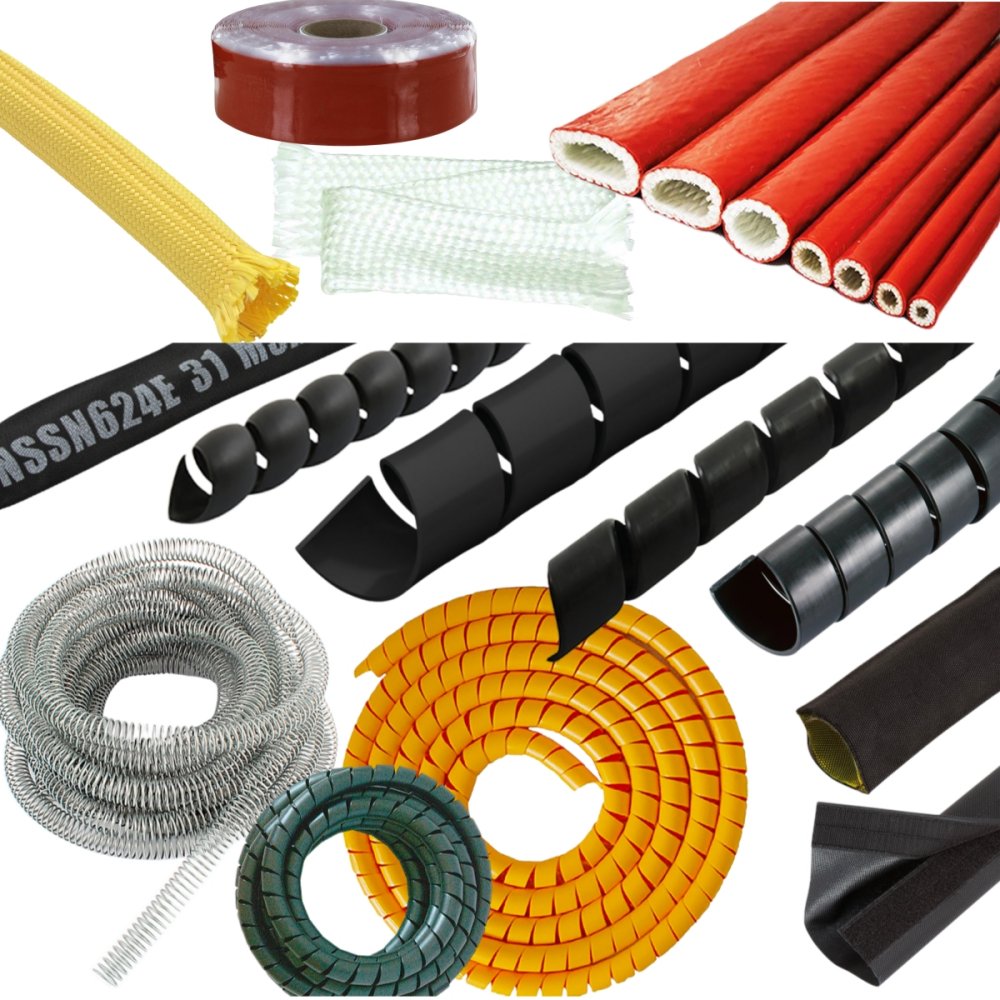
    Complete Guide to Hydraulic Hose Protection Hydraulic hose protection is essential for maintaining safety, reliability, and long-term performance in high-pressure hydraulic systems. Hydraulic hoses are exposed to abrasion, extreme temperatures, vibration, crushing forces, and potential burst hazards. Without proper protection, hose failure can lead to equipment downtime, environmental contamination, and serious safety risks. This complete guide explains what hydraulic hose protection is, why it is necessary, and how to choose the right hose protection solution for different industrial applications. What Is Hydraulic Hose Protection? Hydraulic hose protection refers to protective sleeves, guards, and insulation systems designed to shield hydraulic hoses from external damage and operational hazards. Hydraulic systems operate under high pressure. When hoses are exposed to friction, sharp edges, excessive heat, or mechanical impact, their service life can be significantly reduced. Hose protection solutions help: Reduce abrasion and surface wear Contain fluid spray in case of burst Protect against high temperatures and flame Prevent crushing and mechanical impact Improve workplace safety Selecting the correct type of hose protection depends on the operating environment and risk factors. Why Hydraulic Hose Protection Is Important 1. Prevents Premature Hose Failure Abrasion is one of the leading causes of hydraulic hose failure. Protective sleeves reduce direct contact with metal edges, equipment frames, and rough surfaces. 2. Enhances Workplace Safety High-pressure hydraulic systems can cause oil injection injuries if a hose ruptures. Burst protection sleeves help contain fluid spray and reduce risk. 3. Protects Against Heat and Fire Hydraulic hoses operating near exhaust systems, furnaces, or molten metal areas require thermal insulation or fire-resistant sleeves. 4. Reduces Downtime and Maintenance Costs Proper hose protection extends service life and reduces unexpected equipment shutdowns. Types of Hydraulic Hose Protection Different environments require different levels of protection. Below are the main types of hydraulic hose protection solutions. Abrasion-Resistant Hose Sleeves These sleeves protect against friction and surface wear. Common materials: Polyester protective sleeve Nylon protective sleeve Aramid (Kevlar®) sleeve Best for: Construction equipment Agricultural machinery General industrial systems Kevlar sleeves offer the highest cut and abrasion resistance, while polyester sleeves provide cost-effective protection. Burst Protection Sleeves Burst protection sleeves are designed to help contain fluid spray in case of hose rupture. Common material: Polypropylene woven sleeve Best for: High-pressure hydraulic systems Mining equipment Industrial safety applications These sleeves improve safety compliance in hazardous environments. Fire-Resistant Sleeves Fire sleeves are engineered for high-temperature and flame exposure. Typical constru...
A total of1pages

Leave A Message

Leave A Message
If you are interested in our products and want to know more details,please leave a message here,we will reply you as soon as we can.
Submit

Home

Products

skype

WhatsApp