Silica fabric is widely used for industrial heat protection because it combines strong thermal stability with practical fabrication options. In global manufacturing, engineers and buyers use silica cloth for welding protection, furnace insulation, exhaust shielding, and fire barriers. This guide explains how silica fabrics are made, how different constructions compare, and how to select the right material for real-world conditions.

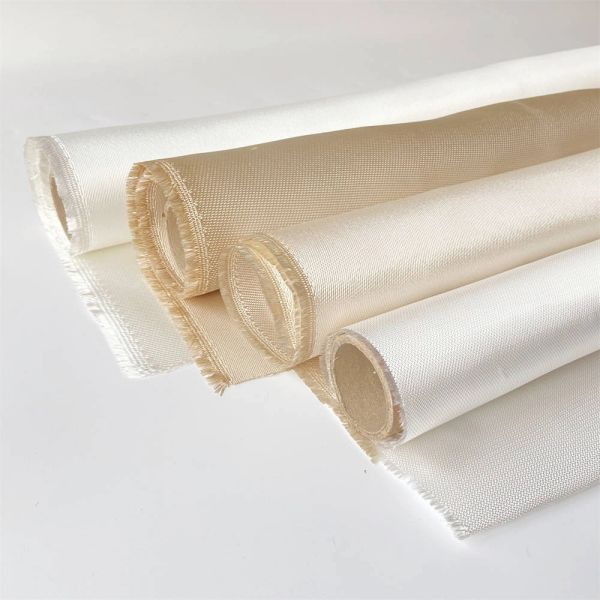
Silica fabric cloth is a high-temperature textile produced from silica-based fibers. In many cases, it starts from fiberglass cloth that is chemically treated to increase the silica (SiO2) content. As silica content increases, the fabric typically offers better heat resistance, improved thermal stability, and lower shrinkage under sustained heat.
In high-temperature environments, protection needs usually come from two heat transfer modes: radiant heat and conductive heat. Silica fabrics help reduce heat transfer because silica fibers remain stable at elevated temperatures and form an insulating barrier. For radiant heat-dominant zones, reflective laminations (such as aluminum foil) can reduce the radiant load on protected surfaces. For abrasive or splash environments, coatings can improve durability and surface resistance.
70% silica fabrics are commonly used where high-temperature capability is needed with a balanced cost structure. They are often selected for general industrial heat shielding and standard welding protection tasks.
Related product: High Temperature Textile 70% Silica Fibre Cloth
High silica cloth is chosen when temperature exposure is more severe and dimensional stability is critical. It is widely used for furnace-facing barriers, heavy welding operations, and high-heat industrial shielding.
Related product: Fireproof 96% Silica Fibre Cloth
Texturized silica fabric is designed to increase thickness and insulation efficiency. If your requirement is to reduce heat transfer rather than only resist heat exposure, insulation-grade and thicker constructions are typically preferred. This is especially useful for removable insulation systems and thermal barrier layers.
Thickness capability example: 0.8 mm to 6 mm.
Related product: Texturized Silica Fiber Cloth
Silicone coated silica fabrics are selected when the surface needs better durability, improved handling, and additional protection from moisture or oils in industrial environments. This type is common in insulation jackets and protective curtains.
Related product: Silicone Coated Silica Fabric
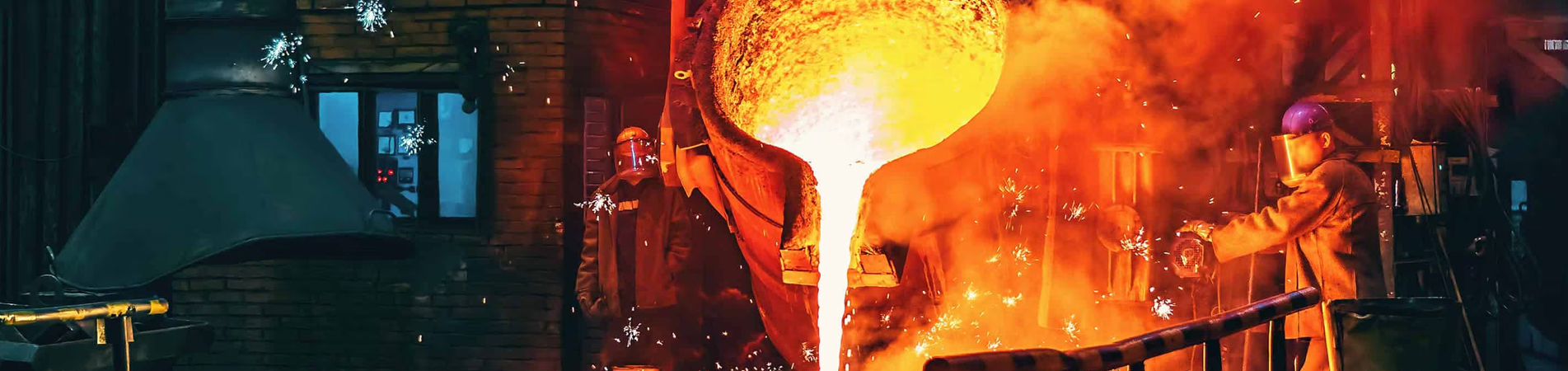
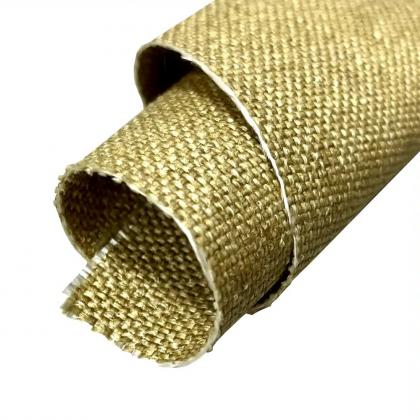
Vermiculite coating is often used to enhance surface resistance in welding and foundry operations where sparks and molten splash are common. If your environment involves aggressive hot particles, a coated surface can improve service life.
Related product: Vermiculite Coated Silica Fiber Cloth
Aluminized silica fabric combines a high-temperature silica base with a reflective aluminum surface. It is commonly used when radiant heat is dominant, such as near exhausts, hot housings, and furnace openings.
Related product: Aluminized Silica Fabric for High Temperature Protection
Self-adhesive silica fabric simplifies installation on panels and surfaces where mechanical fastening is inconvenient. It is frequently used for equipment enclosures, heat barrier linings, and controlled-temperature zones.
Related product: Adhesive Backed Silica Fiber Cloth
This construction combines radiant heat reflection and quick installation, suitable for heat shields and surfaces where both reflective performance and installation efficiency matter.
Related product: Adhesive Backed Aluminized Silica Fabric
When repeated handling, rubbing, or contact wear is a priority, abrasion-resistant woven silica fabric provides a more durable textile option. The orange color also improves visibility during installation and maintenance.
Related product: Abrasion Resistant Orange Woven Silica Fabric
High silica fiberglass fabric (high silica fabric made from treated glass fiber base) is commonly selected when standard fiberglass fabric does not provide enough heat resistance or dimensional stability. In practical purchasing terms, the decision often comes down to operating temperature, exposure type (radiant vs direct contact), and expected service life.
| Comparison Point | Silica Fabrics | Fiberglass Fabrics |
|---|---|---|
| Typical heat resistance | Higher (especially high silica cloth) | Moderate |
| Heat shrinkage | Lower | Higher |
| Best use cases | Furnaces, welding, severe heat zones | General insulation, moderate heat |
| Upgrade options | Coated, aluminized, adhesive-backed | Coated variants available, lower max limits |
Browse the full silica fabric category here: Silica Fabric Products
Silica fabric is a high-temperature textile made from silica-based fibers, commonly used for insulation, fire protection, and welding safety.
High silica fabric typically refers to silica cloth with higher silica content (often around 96% SiO2), used for more severe heat exposure.
Yes. Many silica fabrics are used for welding blankets and curtains, and coated options can improve resistance to sparks and surface wear.
Use aluminized silica fabric when radiant heat is the main concern and reflective protection is needed.
It simplifies installation by allowing peel-and-stick bonding to panels and surfaces where mechanical fastening is difficult.
Select thickness based on heat intensity and required temperature reduction. Texturized silica fabrics are commonly used when higher insulation is needed.
If you need help selecting the right silica fabric for your application, contact BSTFLEX: Contact Us
IPv6 network supported