Ceramic Fiber Tape Buyer’s Guide: How to Choose the Right High-Temperature Insulation Tape
December 24 , 2025
Selecting the right insulation material for high-temperature industrial applications is a technical decision that directly affects system reliability, safety, and operating costs. For engineers, maintenance teams, and procurement professionals, ceramic fiber tape is often the preferred solution—but not all ceramic fiber tapes perform the same.
This buyer’s guide explains how to evaluate ceramic fiber tape, compare it with alternative insulation tapes, and select the most suitable option for your specific operating conditions.
Why Ceramic Fiber Tape Is Widely Used in Industrial Systems
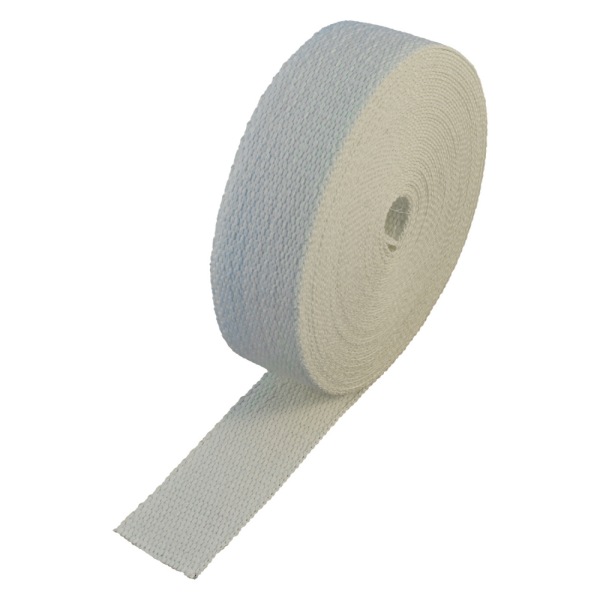
Ceramic fiber tape is designed for environments where extreme heat, steam exposure, and continuous thermal cycling are present. Unlike standard insulation tapes, it maintains mechanical stability and insulation performance under sustained high temperatures.
Industries choose ceramic fiber tape because it offers:
Reliable insulation in applications exceeding conventional material limits
Long service life under harsh thermal conditions
Flexibility for complex geometries such as valves, flanges, and joints
Stable performance in dry heat and steam environments
For critical systems, ceramic fiber tape is often selected not as an upgrade, but as a necessity.
Key Factors to Consider When Buying Ceramic Fiber Tape
Before comparing products, it is essential to understand the technical criteria that determine whether a ceramic fiber tape will perform reliably in your application.
Operating Temperature Range
The first and most critical factor is the maximum continuous operating temperature. Ceramic fiber tapes are designed for high-temperature environments, but performance margins matter. Engineers should always select a tape rated above the system’s actual operating temperature to account for thermal spikes and safety margins.
Tape Thickness and Width
Thickness directly affects insulation performance, while width influences coverage and installation efficiency. Thicker tapes provide better thermal resistance but may require more space. Narrow tapes are suitable for sealing applications, while wider tapes are preferred for pipe wrapping and surface insulation.
Mechanical Strength and Flexibility
In systems with vibration, movement, or frequent maintenance access, ceramic fiber tape must resist fraying and mechanical wear. Woven density and fiber structure influence tensile strength and durability over time.
Exposure to Steam and Moisture
For steam lines and humid environments, resistance to moisture absorption is essential. Ceramic fiber tape maintains insulation performance under steam exposure, reducing the risk of corrosion under insulation and thermal degradation.
Ceramic Fiber Tape vs Other High-Temperature Insulation Tapes
Understanding how ceramic fiber tape compares to alternative materials helps justify the correct selection.
Ceramic Fiber Tape vs Fiberglass Tape
Fiberglass tape is commonly used for moderate-temperature applications. However, it loses strength and insulation efficiency at elevated temperatures. Ceramic fiber tape offers significantly higher temperature resistance and longer service life in demanding environments.
Ceramic Fiber Tape vs Silica Tape
Silica tape performs well in certain high-temperature applications, but it may lack the mechanical strength required for continuous industrial use. Ceramic fiber tape provides a better balance between thermal resistance, durability, and flexibility.
Ceramic Fiber Tape vs Mineral-Based Insulation
Mineral insulation materials are often bulky and difficult to apply to complex shapes. Ceramic fiber tape offers superior adaptability and consistent performance in compact or irregular installations.
For applications involving extreme heat, frequent thermal cycling, or steam exposure, ceramic fiber tape consistently delivers more stable long-term performance.
Matching Ceramic Fiber Tape to Common Industrial Applications
Choosing the right ceramic fiber tape also depends on how it will be used in the system.
Pipe Wrapping and Thermal Insulation
For high-temperature piping, ceramic fiber tape reduces heat loss, stabilizes surface temperatures, and protects surrounding components. Thicker tapes are typically preferred for continuous insulation duties.
Steam Lines and Valves
Steam systems require insulation that resists both heat and moisture. Ceramic fiber tape provides effective sealing and insulation around valves, joints, and flanges without absorbing moisture.
Furnace and Kiln Sealing
In furnace applications, ceramic fiber tape is used to seal doors, inspection ports, and expansion joints. Its flexibility allows it to maintain a tight seal despite thermal expansion.
Exhaust and Flue Systems
Exhaust systems benefit from ceramic fiber tape by reducing radiant heat and protecting adjacent equipment. The tape also helps stabilize exhaust temperatures for improved system efficiency.
Installation and Performance Expectations
Proper installation plays a major role in how well ceramic fiber tape performs. Surfaces should be clean and dry before application. The tape should be wrapped with even tension and secured using stainless steel wire or appropriate high-temperature fasteners when required.
When correctly installed, ceramic fiber tape provides:
Stable insulation performance over long operating cycles
Minimal degradation under thermal shock
Reduced maintenance frequency
Predictable long-term behavior
These characteristics make it a reliable insulation choice for mission-critical systems.
Cost Considerations and Long-Term Value
While ceramic fiber tape may have a higher initial cost than lower-temperature alternatives, its long service life and performance stability often result in lower total ownership cost. Reduced downtime, fewer replacements, and improved energy efficiency contribute to measurable long-term savings.
For industrial facilities focused on reliability and lifecycle cost control, ceramic fiber tape is a strategic investment rather than a consumable expense.
Final Buying Advice
When selecting ceramic fiber tape, the goal is not simply to meet minimum temperature requirements, but to ensure consistent performance under real operating conditions. Evaluating temperature margins, mechanical demands, moisture exposure, and application geometry will lead to better long-term results.
For engineers and procurement teams responsible for high-temperature systems, ceramic fiber tape remains one of the most dependable solutions for insulation and sealing in extreme environments.