Silica Sleeve Applications in High Temperature Industrial Environments
December 20 , 2025
A silica sleeve is widely recognized as one of the most effective solutions for protecting hoses, cables, and pipes in extreme heat conditions. In industrial environments where high temperatures, open flame, and molten metal splash are present, silica sleeves provide reliable thermal protection that conventional insulation materials cannot match.
This article explores the most common silica sleeve applications across high-temperature industries and explains why silica sleeves are essential for operational safety and equipment longevity.
Why Silica Sleeve Is Used in High Temperature Applications
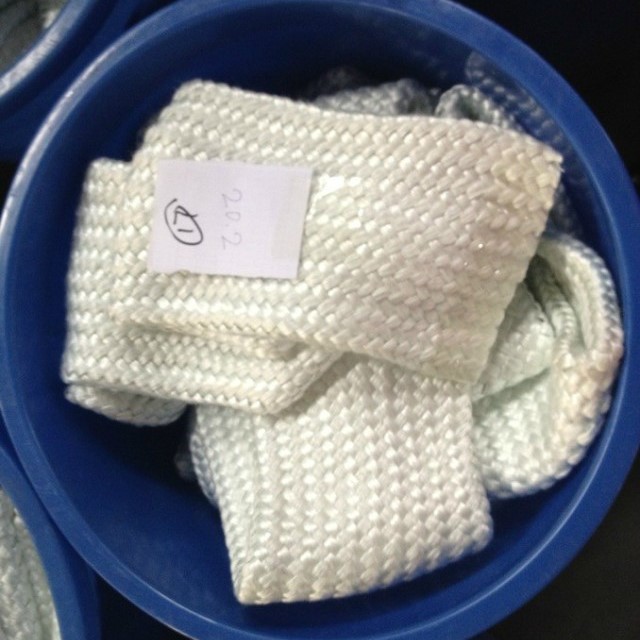
Industrial equipment often operates in environments where temperatures exceed the limits of standard protective materials. A silica sleeve is manufactured from high-purity silica fibers, allowing it to withstand continuous exposure to extreme heat while maintaining flexibility and structural integrity.
By acting as a thermal barrier, silica sleeves reduce heat transfer, protect sensitive components, and help prevent fire-related hazards.
Steel Mills and Metal Processing Plants
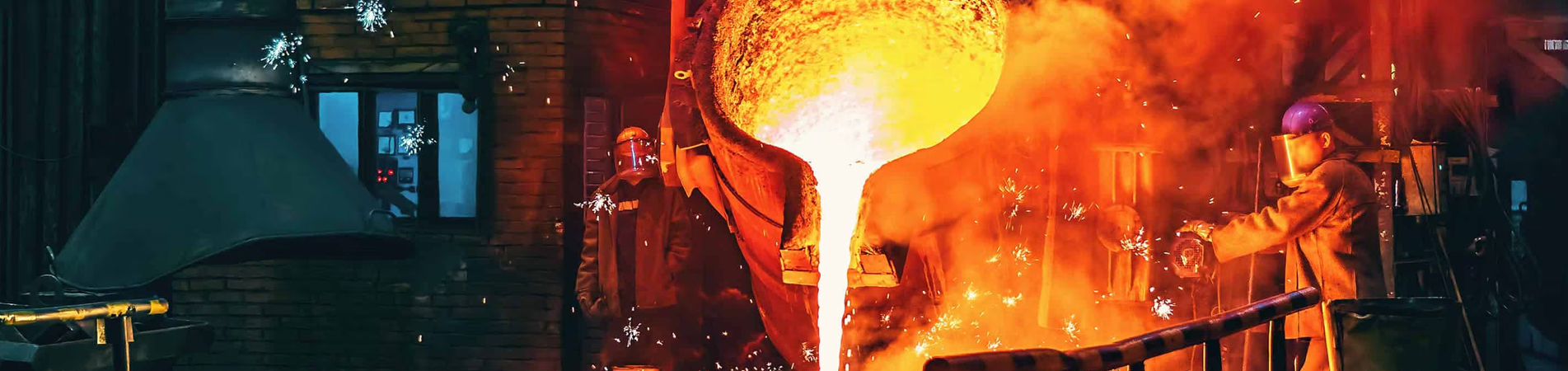
Steel production environments expose hoses and cables to radiant heat, sparks, and molten metal splash. In these conditions, a silica sleeve is commonly used to protect hydraulic hoses, control cables, and fluid lines located near furnaces, ladles, and rolling equipment.
Silica sleeves help prevent hose degradation caused by extreme temperatures and significantly reduce the risk of sudden hose failure in critical production areas.
Foundries and Casting Operations
Foundries present some of the harshest thermal environments in industrial operations. Molten metal handling, pouring processes, and casting operations generate intense heat and frequent exposure to sparks.
Silica sleeves are widely applied in foundries to shield hoses and cables from direct heat and molten metal splash, improving both equipment reliability and worker safety.
Welding and Fabrication Facilities
In welding and metal fabrication environments, silica sleeves are used to protect hoses, gas lines, and electrical cables from welding sparks and high radiant heat.
Compared to standard fiberglass protection, silica sleeves provide superior resistance to flame exposure, making them suitable for continuous welding operations and high-risk work zones.
Automotive and Exhaust System Applications
Automotive manufacturing and testing often involve exhaust systems and engine components operating at high temperatures. A silica sleeve is used to protect hoses and wiring near exhaust manifolds, turbochargers, and other heat-generating components.
By reducing thermal exposure, silica sleeves help prevent premature component failure and improve overall system reliability.
Oil, Gas, and Petrochemical Facilities
In oil and gas processing plants, high temperatures combined with flammable materials create strict safety requirements. Silica sleeves are used to protect hydraulic and fuel hoses in areas exposed to heat, flame, or potential fire hazards.
Their non-combustible nature makes silica sleeves an important part of fire protection strategies in hazardous industrial zones.
Power Generation and Energy Systems
Power plants, including thermal and renewable energy facilities, operate with high-temperature equipment such as turbines, boilers, and heat exchangers. Silica sleeves are used to insulate hoses and cables running near hot surfaces, helping maintain safe operating temperatures and reduce maintenance risks.
Benefits of Using Silica Sleeve in Industrial Applications
Across all industries, silica sleeve applications provide several key advantages:
Protection against extreme heat and flame exposure
Reduced risk of hose and cable failure
Improved safety for personnel and equipment
Extended service life of components
Reliable performance in harsh environments
These benefits make silica sleeve a preferred solution for high-temperature industrial protection.
Choosing the Right Silica Sleeve for Your Application
Selecting the correct silica sleeve depends on factors such as operating temperature, exposure to flame or molten metal, hose diameter, and installation requirements. In high-risk environments, using a properly specified silica sleeve ensures optimal protection and long-term performance.
Silica sleeve applications span a wide range of high-temperature industrial environments, from steel mills and foundries to automotive manufacturing and energy systems. With exceptional heat resistance and fire protection capabilities, a silica sleeve plays a critical role in maintaining safety and reliability where extreme heat is unavoidable.
To learn more about silica sleeve solutions and specifications, visit www.silicasleeve.com