Comparing Silicone Coated Fiberglass Tape vs Standard Fiberglass Tape: What’s the Difference?
November 23, 2025
Choosing the right high temperature tape is often the difference between reliable equipment protection and premature failure. Many engineers, manufacturers, and maintenance teams compare silicone coated fiberglass tape with standard fiberglass tape when evaluating insulation and sealing materials. Although both are built on a base of woven fiberglass, the presence or absence of a silicone coating fundamentally changes their performance, durability, and suitability for different environments. This guide outlines the core distinctions to help you make an informed decision.
Material Construction and Thermal Behavior
Standard Fiberglass Tape
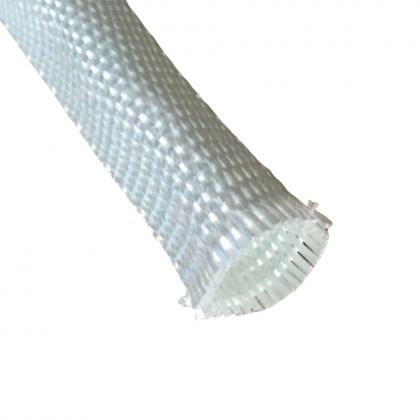
Standard fiberglass tape is woven from E grade glass fibers designed to withstand continuous temperatures around 550°C. It offers strong thermal stability, minimal stretch, and solid insulation performance for general applications such as wrapping pipes, protecting cables, and sealing furnace doors.
Silicone Coated Fiberglass Tape
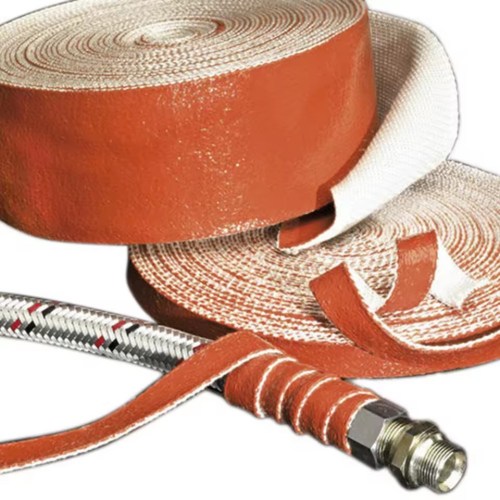
Silicone coated fiberglass tape starts with the same woven fiberglass substrate but is then coated with a high quality silicone elastomer. This coating forms a protective barrier that increases temperature stability, prevents fraying, and creates a smooth, durable outer surface. The silicone layer adds thermal shock resistance and enhances performance in applications exposed to oil, moisture, and abrasion.
Mechanical Strength and Durability
Strength of Standard Fiberglass Tape
Without additional coating, standard fiberglass tape remains robust but is more susceptible to wear from vibration, flexing, and mechanical contact. Edges may fray when cut or installed in areas with repeated movement.
Durability of Silicone Coated Fiberglass Tape
The silicone layer reinforces the underlying fiberglass structure, increasing tensile strength and extending service life. This makes the tape suitable for dynamic environments, heavy duty assemblies, and areas where repeated installation or handling can occur. Its surface resists tearing, cracking, and fiber exposure, especially during long term use.
Resistance to Moisture, Oils, and Chemicals
One of the most significant differences between the two tapes is resistance to environmental contaminants.
Standard Fiberglass Tape
Standard fiberglass absorbs moisture more easily and has limited resistance to oils and chemicals. In harsh environments, these contaminants can weaken the fibers over time.
Silicone Coated Fiberglass Tape
The silicone surface acts as a moisture barrier, preventing water absorption and preserving insulation values. It also protects against oils, coolants, and many industrial chemicals, making it ideal for engine compartments, foundries, hydraulic equipment, and outdoor installations. This protective barrier is often the deciding factor for industries that face unpredictable conditions.
Flexibility and Handling
Handling Standard Fiberglass Tape
Standard fiberglass tape is flexible but slightly rough to the touch. During installation, fibers may shed or irritate the skin, requiring protective equipment.
Handling Silicone Coated Fiberglass Tape
Silicone coated fiberglass tape offers a smoother, more flexible feel. The coating eliminates fiber irritation and improves ease of wrapping around tight bends, cables, and irregular shapes. It installs cleanly, without dusting or fraying.
Application Suitability
Where Standard Fiberglass Tape Performs Best
It is typically chosen for general purpose insulation tasks, including Pipe and duct wrapping Gasket and door seal construction Heat shielding for static equipment Thermal insulation in ovens and kilns
Where Silicone Coated Fiberglass Tape Excels
The added coating makes it ideal for more demanding environments, including Hydraulic hose protection Electrical cable bundling High temperature exhaust areas Industrial machinery exposed to oil, coolant, or outdoor weather Thermal insulation for automotive components
Choosing the Right Tape for Your Application
The decision largely depends on the operating environment. Select standard fiberglass tape when cost efficiency and basic heat resistance are the main priorities. Choose silicone coated fiberglass tape when your application involves movement, vibration, exposure to fluids, or the need for extended durability.
Both materials have proven value, but the silicone coated version offers a higher level of performance and longevity where reliability is critical.