How to Choose the Right Glass Fiber Needle Mat for Industrial Projects
December 23, 2025
Selecting the correct insulation or reinforcement material is essential for industrial project success. Glass fiber needle mats are widely used across insulation, composite, and construction industries, but choosing the wrong specification can lead to performance issues, higher costs, or premature failure.
This guide explains the key factors buyers and engineers should evaluate when selecting a glass fiber needle mat for industrial applications.
Understand the Application Requirements
Before choosing any material, it is important to define the operating environment clearly. Key questions include:
What is the working temperature range?
Is chemical resistance required?
Will the material be used for insulation, reinforcement, or both?
Are there mechanical stress or vibration conditions?
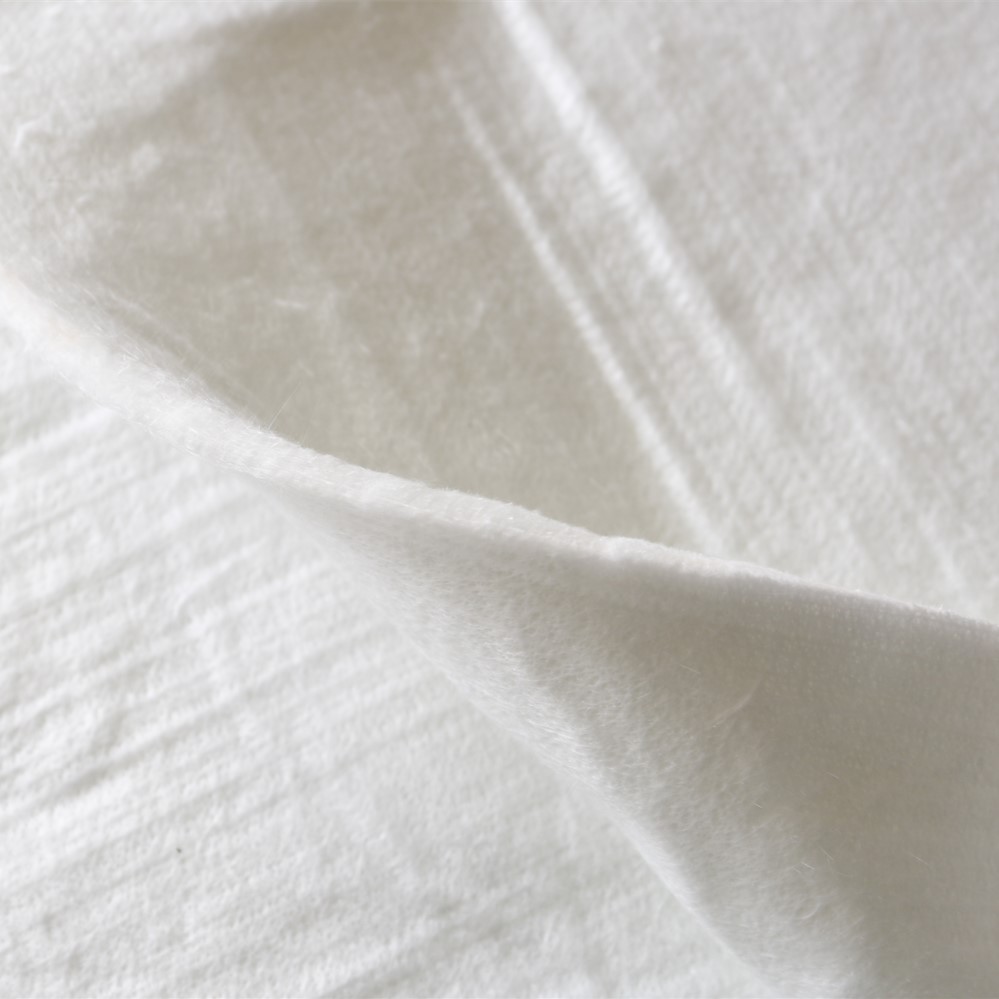
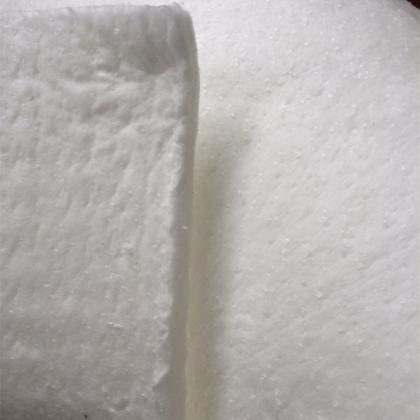
For projects requiring balanced strength, thermal stability, and cost efficiency, e-glass needle mat is often the preferred solution.
Key Selection Factors
Areal Weight (GSM)
Areal weight affects insulation performance, strength, and flexibility.
Lower GSM mats are suitable for light insulation or acoustic applications
Higher GSM mats provide better structural support and thermal resistance
Choosing the correct GSM ensures optimal performance without unnecessary material cost.
Thickness and Density
Thickness directly influences thermal insulation efficiency. Uniform thickness is critical for consistent performance, especially in large-area installations.
High-quality glass fiber needle mats maintain stable thickness across the entire roll, reducing installation problems.
Temperature Resistance
Different projects require different temperature tolerances. E-glass fibers can withstand continuous high-temperature exposure, making them suitable for industrial furnaces, pipelines, and equipment insulation.
Always confirm the maximum service temperature before material selection.
Binder Content and Structure
Needle mats can be binder-free or contain low binder content depending on manufacturing methods. Binder-free structures generally offer better thermal stability and flexibility for high-temperature applications.
Compatibility With Processing and Installation
Ease of cutting, forming, and installation should not be overlooked. Glass fiber needle mats with good fiber bonding reduce dust generation and improve handling safety.
They are compatible with:
Manual cutting
Automated processing lines
Resin impregnation systems
Supplier Evaluation and Quality Assurance
Choosing the right supplier is as important as choosing the right material. Reliable manufacturers provide:
Clear technical datasheets
Stable batch quality
Customization options
Export and compliance experience
Common Mistakes to Avoid
Selecting material based on price alone
Ignoring operating temperature limits
Overlooking thickness tolerance
Not confirming application compatibility
Avoiding these mistakes helps reduce long-term maintenance and replacement costs.
Choosing the right glass fiber needle mat requires careful consideration of application requirements, material properties, and supplier capabilities. For many industrial projects, E-glass–based needle mats offer an optimal balance of performance, durability, and cost efficiency.