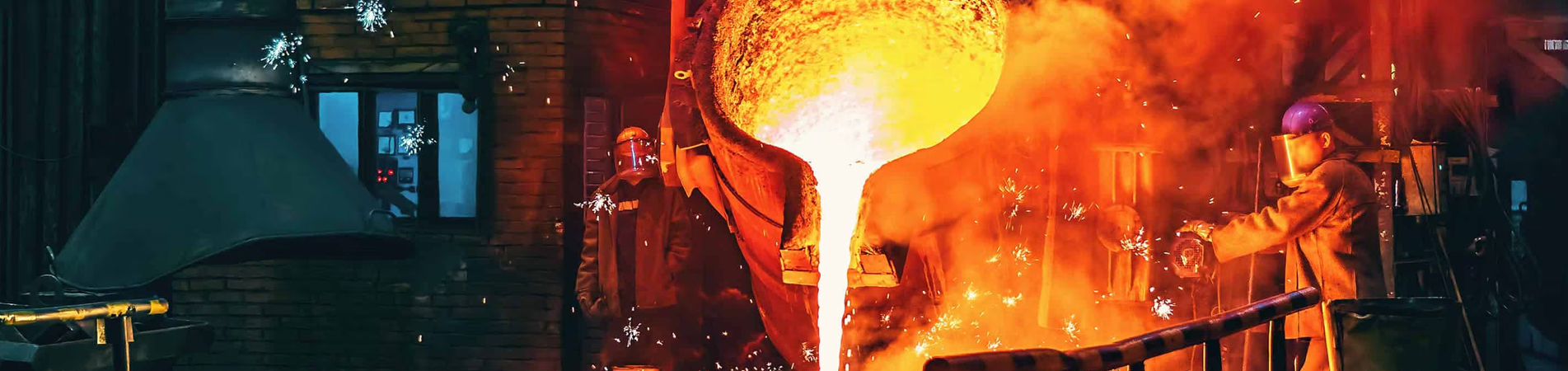
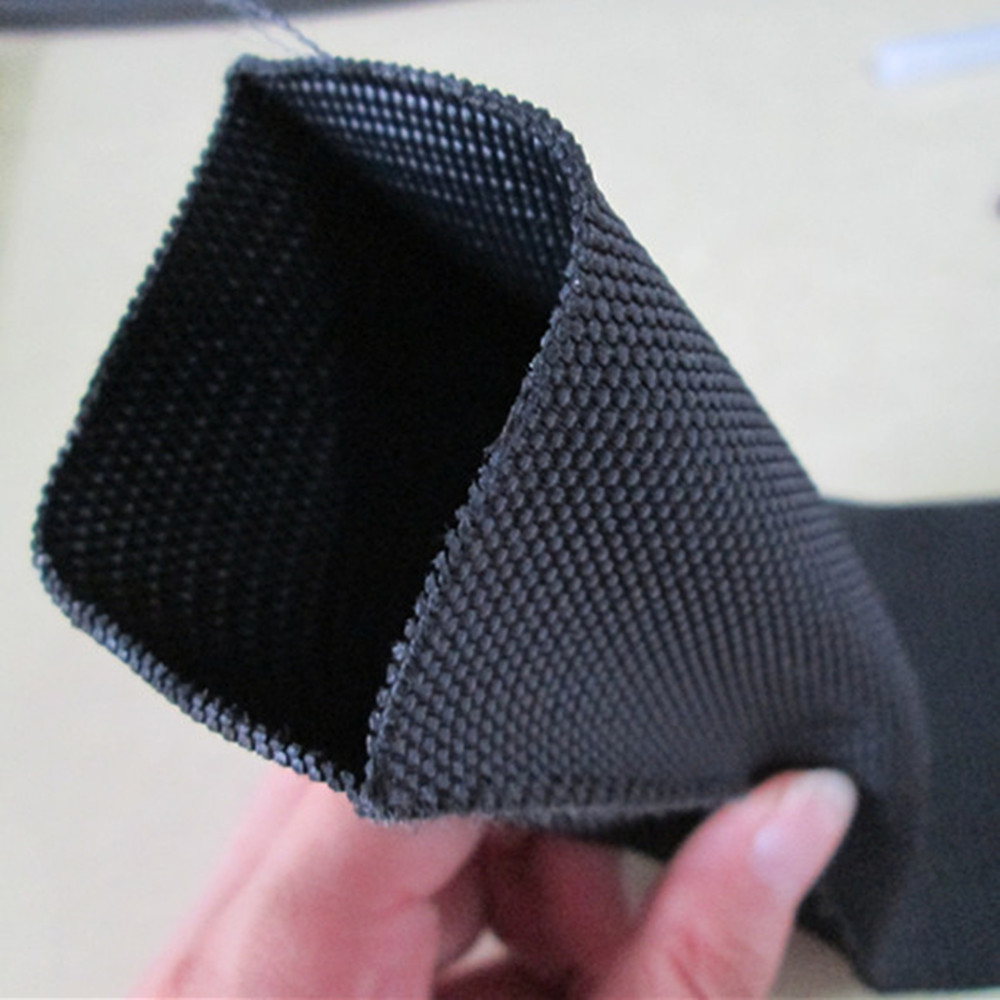
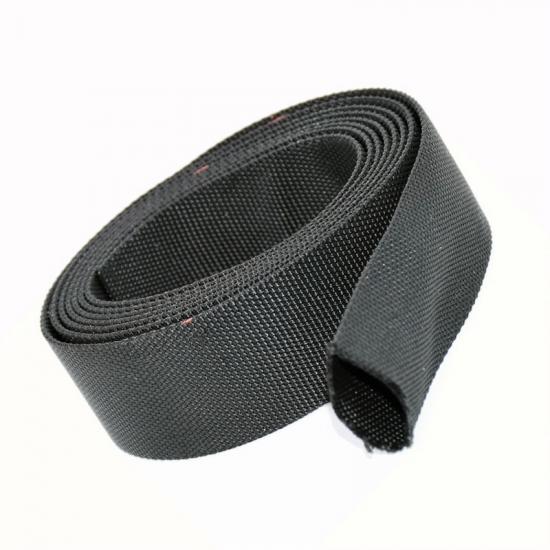
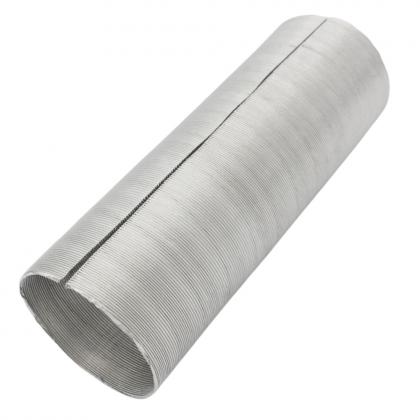
In the relentless environment of industrial and mobile equipment, your hydraulic and pneumatic hoses face a constant, multi-frontal assault. The triumvirate of abrasion, UV degradation, and chemical attack works synergistically to break down hose integrity, leading to premature failures, unplanned downtime, and significant replacement costs. Addressing each of these threats individually can be complex and costly. But what if the solution was remarkably simple? What if a single, robust product could serve as a universal shield against these common enemies? The answer lies in a purpose-engineered component: the Nylon Protective Hose Sleeve. This isn't just a cover; it's a high-performance, sacrificial barrier designed to be the first and most durable line of defense for your critical fluid conveyance systems. The Triple-Threat Defense: How It Works 1. Conquering Abrasion: The Primary Killer of HosesThe constant chafing of hoses against machine frames, other hoses, or rough surfaces quickly grinds away their protective outer cover. Once this layer is compromised, the reinforcing wire braid is exposed to moisture and corrosion, leading to swift, catastrophic failure. The Nylon Sleeve Solution: Crafted from high-tenacity, engineered nylon, the sleeve possesses exceptional resistance to scuffing, grinding, and fraying. It acts as a sacrificial wear strip, absorbing the abrasive forces that would otherwise destroy the far more expensive hose beneath. By simply installing the sleeve over high-friction areas, you effectively multiply the hose's operational lifespan, transforming a vulnerable component into a ruggedized, reliable asset. 2. Defying UV Radiation and Ozone: The Silent DegradersFor equipment operating outdoors—from construction and agriculture to forestry and transportation—sunlight and ozone are invisible adversaries. Ultraviolet (UV) rays break down the chemical bonds in standard rubber and some polymer hose covers, causing them to become brittle, crack, and craze. The Nylon Sleeve Solution: Our protective sleeves are inherently UV-stabilized. The advanced nylon material is formulated to reflect and resist the damaging effects of solar radiation and atmospheric ozone. This protection prevents the hose underneath from becoming brittle, ensuring it remains flexible and retains its structural integrity season after season, even under the harshest sun. 3. Resisting Chemicals and Fluids: The Corrosive AdversariesHoses are routinely exposed to oils, greases, solvents, saltwater, and aggressive hydraulic fluids. These substances can swell, soften, or otherwise degrade a hose's outer jacket, compromising its strength and exposing it to further damage. The Nylon Sleeve Solution: The sleeve serves as a highly effective chemical barrier. Its non-absorbent and chemically resistant nature prevents most industrial fluids from penetrating and attacking the hose's outer cover. This is particularly critical in marine applicati...
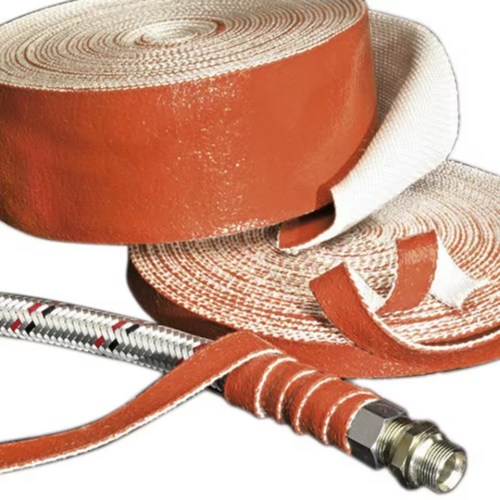
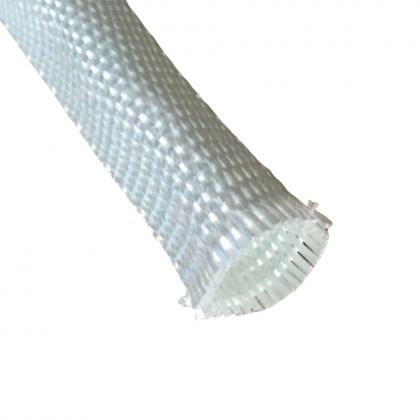
View MoreHydraulic system failure in high-temperature environments isn't just an inconvenience—it's a significant operational risk. When a standard hose fails under intense radiant heat or a fluid leak, it can trigger a catastrophic fire event, leading to unplanned downtime that costs thousands per hour. Our Silicone Coated Fiberglass Fire Sleeve is engineered as a proactive defense layer for your most critical components. It goes beyond basic protection to deliver unmatched reliability. Here's How Our Engineering Solves Your Downtime Equation: Defend Against Radiant Heat & Direct Flame Impingement:The woven fiberglass core provides intrinsic thermal insulation, capable of withstanding continuous exposure up to 540°C (1000°F) and short-term bursts up to 1100°C (2000°F). This ensures your hydraulic hoses and lines maintain integrity and pressure rating even when exposed to the extreme heat from turbochargers, exhaust manifolds, or in the event of a flash fire. Eliminate Abrasion-Induced Failures:The exterior high-tack silicone coating acts as a durable, non-brittle shield. It resists chafing against chassis components, cable harnesses, and other lines, preventing the outer cover wear that is a primary cause of hose fatigue and premature failure. Prevent Fluid Ingress & Contamination:Unlike some porous protective solutions, our silicone coating creates an impermeable barrier. This protects hydraulic fittings and hose covers from corrosion, oil degradation, and contamination from road salts, glycols, and other chemicals. This preserves the OEM specifications of your components and prevents seizure during maintenance. Ensure Flexibility for Complex Routing:The silicone coating remains flexible at both high and low temperatures, preventing the cracking and stiffening common with inferior polymer sleeves. This allows for easy installation in tight engine compartments and around complex routing paths without compromising the sleeve's protective properties or transferring stress to the hose ends. Technical Superiority for Uninterrupted Operations: By integrating our fire sleeve into your design or maintenance protocol, you are not just installing a component—you are implementing a reliability strategy. You directly mitigate the risks of: Fluid Injection Injuries from high-pressure hose bursts. Costly Hydraulic Fluid Loss and environmental spills. System Contamination requiring full flush and purge. Compliance Failures with safety standards like SAE AS3570. Stop managing risk. Start eliminating it. Contact us and get our technical data sheet to review the exact specifications for temperature, abrasion, and chemical resistance tailored to hydraulic applications.
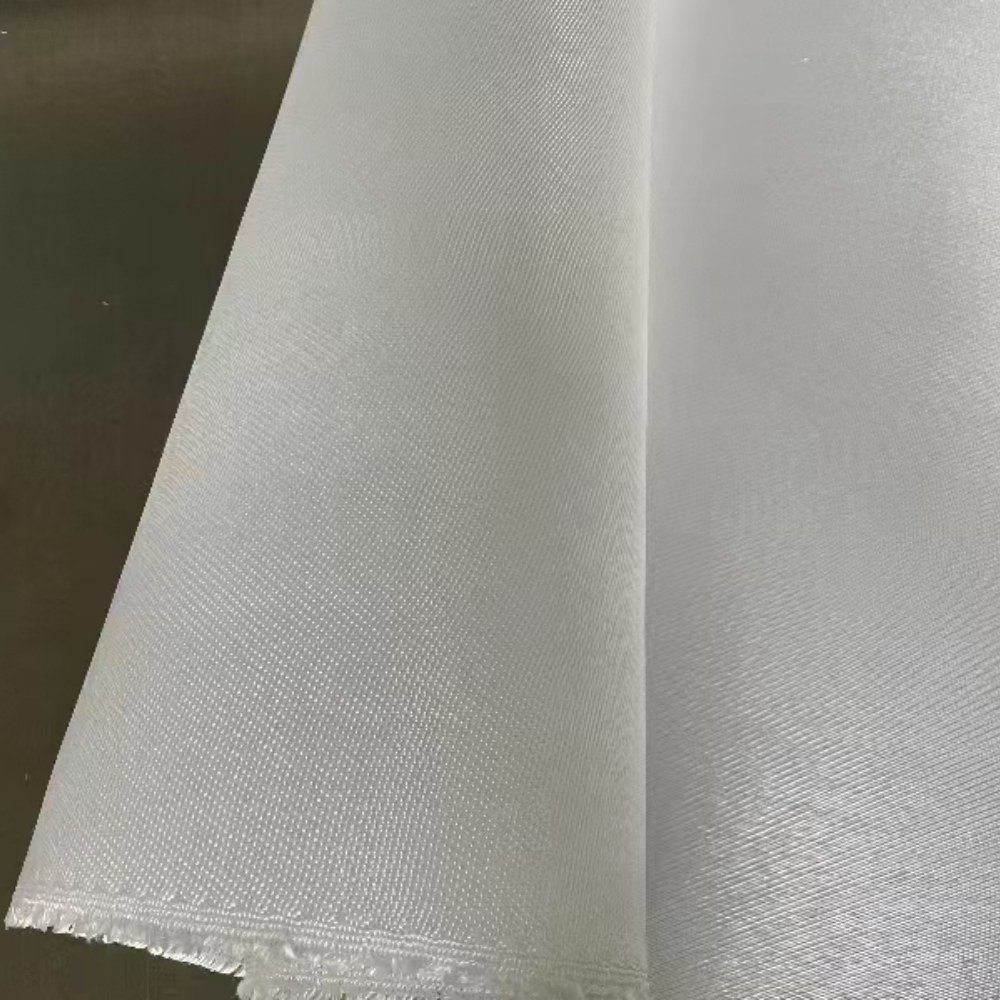
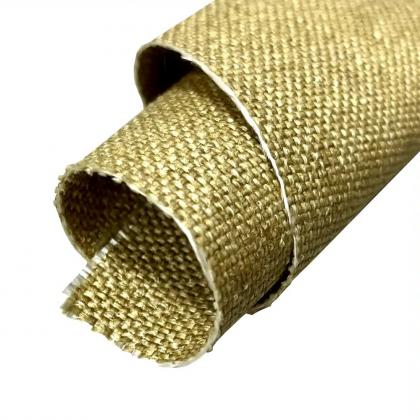
View MoreVermiculite coated fibreglass cloth is primarily used as a flexible, high-temperature, and fire-protective barrier. It's designed to contain sparks, slag, and heat in industrial settings, most notably during hot work like welding and grinding, to prevent fires. What Makes It Special? To understand its uses, it's helpful to know what the coating is: Fibreglass Cloth Base: Provides inherent heat resistance, flexibility, and structural strength. It won't burn or melt until extremely high temperatures. Vermiculite Coating: Vermiculite is a natural mineral that, when heated, exfoliates (expands dramatically) into a low-density, insulating material. This coating is applied to the fibreglass cloth. This combination creates a material that is: Fire Resistant: Withstands direct flames and intense heat. Thermally Insulating: Acts as a barrier, protecting nearby materials from radiant heat. Sparks and Slag Resistant: The coated surface traps hot sparks and molten metal slag, preventing them from bouncing onto flammable materials. Flexible and Durable: Can be easily draped, wrapped, or sewn into various shapes without cracking. Primary Uses and Applications 1. Welding and Hot Work Curtains & Blankets This is the most common application. The cloth is hung as curtains or laid down as blankets to: Create Safety Barriers: Partition off welding areas to protect nearby workers from UV radiation (arc flash) and sparks. Protect Equipment and Structures: Drape over machinery, electrical panels, hydraulic hoses, and sensitive equipment to prevent damage from sparks and spatter. Cover Flammable Materials: Cover wooden floors, cardboard, fuel drums, or other combustibles that cannot be moved from the work area. 2. Fire Blankets While many commercial fire blankets are made of fibreglass alone, vermiculite-coated versions offer superior performance for industrial and marine use. They are effective for smothering small fires, especially those involving flammable liquids (Class B) and electrical equipment (Class C), as they are non-conductive. 3. High-Temperature Insulation and Wrap The cloth can be used to wrap ventilation ducts, pipes, and other components that operate at high temperatures. It helps contain heat within the system and protects surrounding areas from the high surface temperature, improving energy efficiency and safety. 4. Containment and Protection in Confined Spaces When working in shipyards, tanks, or other confined spaces, it is crucial to prevent any fire hazard. Vermiculite blankets are used to line walls and floors, creating a safe environment for cutting, welding, and grinding. 5. Specialty Gaskets and Seals In high-temperature industrial ovens, furnaces, and exhaust systems, this material can be fabricated into gaskets and seals that need to remain flexible while resisting extreme heat and flame. Key Advantages Over Standard Fibreglass Cloth Enhanced Spark Capture: The rough, m...
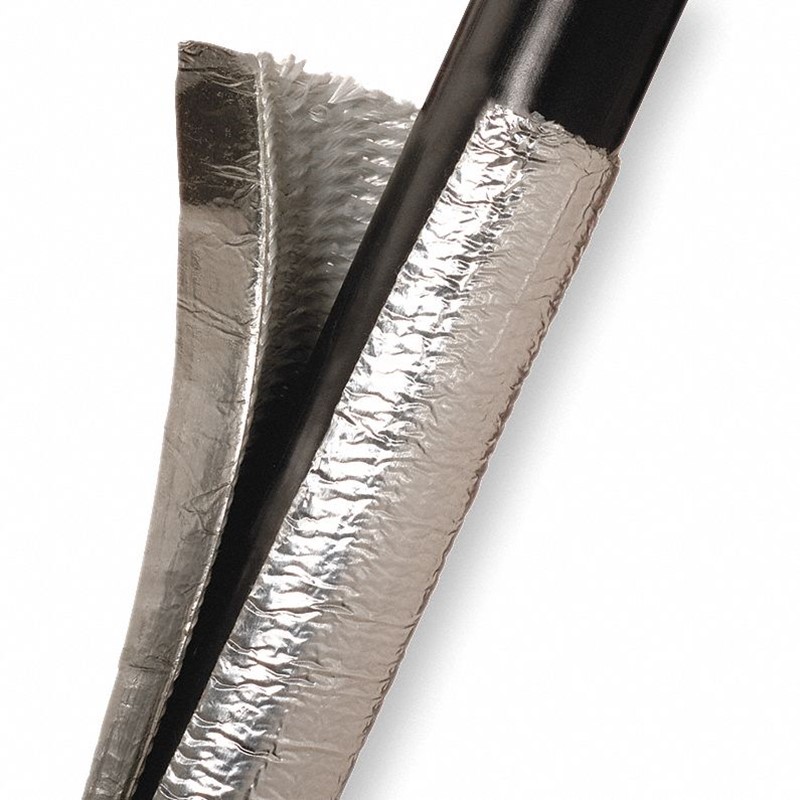
View MoreAluminized Fiberglass Fabric is a high-temperature resistant textile made by bonding or laminating a reflective aluminum foil layer onto a base fabric of woven fiberglass. The combination of fiberglass (which provides strength, flexibility, and heat resistance) with an aluminized surface (which reflects up to 95% of radiant heat) makes this fabric an ideal solution for both thermal insulation and protective shielding. Key Features High heat resistance: Fiberglass can withstand continuous exposure to high temperatures (typically up to 550 °C / 1000 °F, depending on grade). Radiant heat reflection: The aluminum foil reflects radiant heat and reduces thermal transfer. Durable and abrasion resistant: Maintains mechanical strength even under demanding environments. Chemical and flame resistant: Fiberglass resists most chemicals, oils, and flames. Flexible and lightweight: Easy to cut, sew, wrap, or fabricate into covers and shields. Usage of Aluminized Fiberglass Fabric Aluminized fiberglass fabric is widely used in industrial, automotive, aerospace, and safety applications, including: Heat shields and protective covers Engine components, exhaust systems, and industrial equipment. Insulation and thermal barriers Furnace blankets, pipe wraps, boiler insulation, and high-temperature ducting. Fire and welding protection Welding blankets, spark curtains, and protective screens. Worker protective gear Aluminized jackets, gloves, and suits for foundry, smelting, and firefighting. Energy conservation HVAC systems, reflective insulation panels, and protective wraps to reduce heat loss.
View MoreSilicone coated silica fabric is a strong choice for a car fire blanket because it combines the raw heat resistance of silica fibers with the surface protection and performance enhancements of a silicone coating. Here’s why it works so well: 1. Extreme Heat Resistance The base silica fabric can handle continuous temperatures up to ~1000°C (1832°F) and short-term spikes even higher, making it capable of withstanding the intense heat from burning fuel, oil, or electrical fires in vehicles. 2. Flame & Fire Protection Silica inherently resists flame spread, so it doesn’t melt or drip. The silicone coating adds an oxygen barrier and delays heat penetration, giving more time for safety response. 3. Oil, Fuel & Chemical Resistance Car fires often involve engine oil, gasoline, brake fluid, and coolants—all of which can soak into untreated fabrics and cause flare-ups. Silicone coating seals the fibers, preventing liquid penetration and reducing the risk of re-ignition. 4. Smoke & Particle Suppression The coating helps trap ash and soot particles inside the blanket, keeping them from spreading in the environment or onto nearby surfaces. 5. Tear & Abrasion Durability In emergency situations, a fire blanket may be dragged across sharp metal, hot exhaust parts, or broken glass. Silicone coating improves abrasion resistance and extends the blanket’s usable lifespan. 6. Weather & Moisture Resistance For emergency kits stored in vehicles, the coating protects the silica fabric from humidity, road grime, and corrosion-causing contaminants, so it’s always ready to use. 7. Foldability & Easy Handling Silicone-coated silica fabric remains flexible enough to be folded or rolled without cracking, making it easier to store in a car’s trunk or under a seat. Bottom line:A pure silica blanket can stop extreme heat, but when you add silicone coating, you get a fire blanket that resists heat, flame, chemicals, weather, and wear—exactly what’s needed for unpredictable, high-risk situations like vehicle fires.
View MoreWoven silica tape is an exceptional thermal insulation material engineered to withstand extreme temperatures, making it an essential solution for demanding industrial, automotive, and aerospace applications. With a high silica content (typically over 96%), this tape offers superior thermal stability, chemical resistance, and durability, even under continuous exposure to temperatures up to 1,000°C (1,832°F). Product Features & Performance Exceptional Heat Resistance: Capable of operating in extreme high-temperature environments without degradation, maintaining flexibility and structural integrity. Outstanding Thermal Insulation: Minimizes heat transfer and energy loss, providing reliable thermal protection for sensitive equipment. Chemical and Corrosion Resistance: Inert to most acids, solvents, and alkalis, making it suitable for harsh industrial conditions. Abrasion and Wear Protection: Woven construction ensures excellent mechanical strength, reducing fraying and wear even in continuous use. Applications of Woven Silica Tape Exhaust Systems: Ideal for wrapping exhaust pipes, turbo housings, and hot engine components, reducing radiant heat and improving efficiency. Industrial Furnaces & Kilns: Used to seal, wrap, and insulate pipes, ducts, or doors in high-temperature processing equipment. Electrical & Thermal Protection: Provides insulation for wires, cables, and hoses exposed to high heat or molten splash. Welding & Foundry Operations: Acts as a protective barrier against sparks, molten metal, and heat during welding, smelting, or casting processes. Aerospace & Marine Industries: Used for thermal shielding in aircraft engines, ship exhaust systems, and other high-performance machinery. Manufacturing Process Woven silica tape is produced using high-purity amorphous silica fibers, which are processed into continuous yarns and tightly woven into tape form using advanced looms. This precise weaving technique results in a product with high tensile strength, uniform thickness, and consistent thermal performance. Some versions are treated with vermiculite or other coatings to enhance abrasion resistance and thermal insulation. Advantages of Woven Silica Tape Withstands temperatures far beyond conventional fiberglass tapes. Non-toxic, asbestos-free, and eco-friendly. Excellent flexibility, making it easy to wrap around complex shapes and irregular surfaces. Customizable widths, thicknesses, and finishes for various industrial requirements. Resistant to thermal shock and mechanical stress. Real-World Examples Automotive Performance: Motorsport teams use woven silica tape to wrap headers and exhaust systems, lowering under-hood temperatures and protecting nearby wiring. Steel & Glass Manufacturing: Applied as seals or edge protection for high-temperature furnace doors. Energy Sector: Utilized in power plants to insulate pipes carrying steam or superheated fluids.
View MoreBasalt fiber fabric is a high-performance, inorganic textile woven from continuous basalt fiber yarns. Derived from volcanic rock and processed through advanced melting and extrusion technologies, this fabric delivers exceptional resistance to heat, chemical corrosion, abrasion, and mechanical stress. It is an ideal solution for demanding applications in the automotive, aerospace, marine, construction, and industrial sectors. One of the most outstanding features of basalt fiber fabric is its thermal resistance. It withstands continuous temperatures up to 750°C (1382°F) and intermittent exposure to over 980°C (1800°F), making it an ideal thermal barrier and fire protection material. Unlike fiberglass, basalt fibers do not release toxic fumes when exposed to high heat and retain mechanical integrity over a wide range of temperatures. In terms of mechanical strength, basalt fabric offers higher tensile strength than E-glass and better dimensional stability. It is naturally resistant to UV radiation, moisture, and most chemical agents, allowing it to perform reliably in both indoor and outdoor environments. The excellent abrasion resistance further extends its lifespan even in high-friction or high-impact areas. Applications of basalt fiber fabric are diverse: In automotive and motorsport, it is used as a heat shield wrap for exhaust systems, turbo components, and under-hood insulation to prevent heat soak and protect sensitive electronics. In aerospace, it contributes to lightweight, fire-resistant composites and insulation. In the marine industry, it provides anti-corrosive protection in hull reinforcements and engine compartments. In construction, basalt fabric is used in fire curtains, concrete reinforcement, and protective wraps for steel structures. In industrial environments, it is ideal for welding blankets, protective curtains, and thermal insulation panels. Basalt fabric is available in various weaves (plain, twill, satin), weights, and thicknesses to suit specific requirements. It is compatible with most resin systems, including epoxy, polyester, and phenolic resins, making it a perfect reinforcement material for composite applications. By choosing basalt fiber fabric, you gain a durable, eco-friendly, and high-temperature resistant solution that outperforms traditional materials in extreme environments. It is the smart alternative where performance, safety, and reliability are non-negotiable.
View MoreWhen reliability under extreme conditions matters most, silicone coated fiberglass tape delivers unmatched protection. Engineered to withstand intense heat, mechanical stress, and harsh environments, this high-performance insulation tape is trusted across industries — from aerospace and automotive to power generation and heavy equipment. What Is Silicone Coated Fiberglass Tape? Silicone coated fiberglass tape is a heat-resistant, flexible insulating tape made by coating high-strength fiberglass fabric with specially formulated silicone rubber. The silicone layer enhances mechanical durability, water resistance, and flame retardancy, while the fiberglass core provides exceptional thermal and structural stability. Key Features & Benefits High Temperature Resistance: Withstands continuous exposure to temperatures up to 260°C (500°F). Flame Retardant: Silicone coating resists flame propagation, ideal for fire-prone areas. Abrasion Resistant: Tough outer silicone layer protects against wear, vibration, and chafing. Moisture & Chemical Resistant: Offers outstanding resistance to water, oils, solvents, and ozone. Electrical Insulation: Dielectric strength makes it suitable for cable harness wrapping and motor leads. Common Applications Wire and Cable Wrapping: Used in electric motors, generators, and aerospace wiring. Pipe and Hose Insulation: Helps maintain system integrity in high-temperature environments. Automotive Heat Zones: Protects harnesses near exhaust manifolds, turbochargers, and DPFs. Welding and Foundry Safety: Serves as a protective wrap in areas exposed to molten metal splash. Industrial Machinery: Used for insulating hot surfaces and reducing risk of operator contact. Technical Specifications (Example Values) Property Value Base Material E-glass woven fiberglass Coating Silicone rubber Temperature Resistance -50°C to +260°C Thickness 3mm Width Range 10mm – 1500mm Flame Resistance UL94 V-0 rating (optional) Dielectric Strength ≥ 7 kV Real-World Use Case A Tier-1 automotive supplier uses silicone coated fiberglass tape to wrap wiring harnesses located near turbochargers in heavy-duty diesel trucks. This application reduced premature cable failure by over 80% and helped pass OEM fire resistance standards. Why Choose Our Silicone Coated Fiberglass Tape? Our tape is manufactured using premium-grade silicone and tightly-woven fiberglass to ensure durability in the harshest conditions. Available in various widths, thicknesses, and colors, it can also be custom slit or die-cut to fit your application needs. Conclusion If you need reliable insulation and protection for high-temperature or hazardous environments, silicone coated fiberglass tape is the industry-proven solution. Whether you're retrofitting an engine bay or designing new electrical systems, this tape offers unmatched safety and performance. Contact us today for custom sizing, technical datasheets, and bulk pricing options.
View More
IPv6 network supported