What Is a Nylon Hose Sleeve
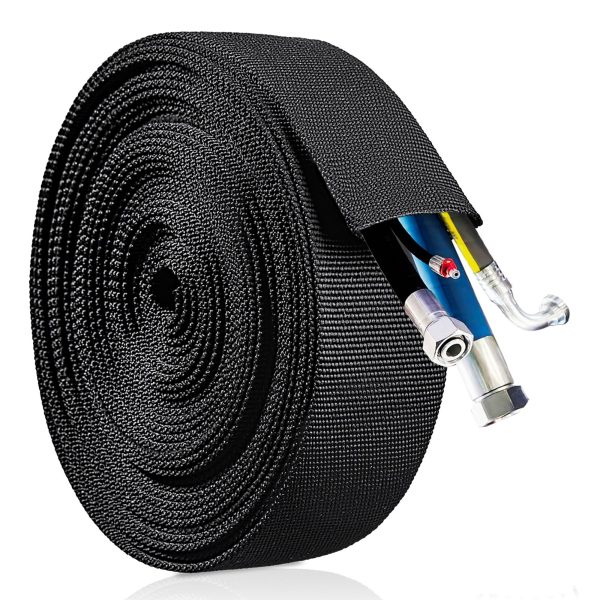
A nylon hose sleeve is a flexible protective sleeve designed to shield hydraulic hoses, industrial tubes, and mechanical lines from abrasion, impact, UV exposure, and hose bursts. It is widely used in hydraulic systems, heavy machinery, construction equipment, and forestry applications where hoses face constant friction and potential damage.
Nylon hose sleeves are known for their strong abrasion resistance and high tensile strength, making them essential for preventing hose wear and improving equipment reliability.

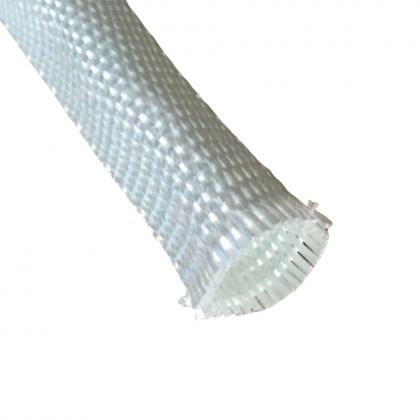
The sleeve is woven using high tenacity nylon multifilament yarns, forming a durable and flexible tubular structure.
The dense weave pattern increases abrasion protection while maintaining flexibility for hose movement.
Different industries require different thickness levels. High density sleeves offer stronger abrasion protection, while lighter sleeves provide flexibility for routing.
Nylon fibers provide excellent resistance against friction, rubbing, and repeated hose contact with rough surfaces.
A nylon sleeve acts as a containment shield in the event of a hydraulic hose failure, reducing the risk of oil injection injuries.
Nylon sleeves are treated to resist UV exposure, rain, moisture, and environmental degradation.
Nylon hose sleeves generally operate between minus 40 degrees Celsius and 120 degrees Celsius depending on grade.
Although not designed as a primary safety barrier, nylon sleeves help contain hydraulic oil spray in case of hose rupture.
Nylon remains flexible even at low temperatures, making it suitable for outdoor and mobile equipment.
Used to protect hoses in high pressure environments, preventing wear and unexpected failures.
Excavators, loaders, cranes, and concrete pumps rely heavily on hose protection.
Nylon sleeves prevent hoses from being cut by branches, rocks, and machinery edges.
Ideal for protecting hoses in engine bays, manufacturing equipment, and automated systems.
| Feature | Nylon Hose Sleeve | PET Hose Sleeve |
|---|---|---|
| Abrasion Resistance | Higher | Moderate |
| Flexibility | High | High |
| Melting Point | Moderate | Slightly higher |
| Price | Higher | Lower |
| Best Applications | Heavy duty, hydraulic | Light to medium duty |
Nylon hose sleeves are superior for high abrasion and hydraulic protection, while PET sleeves are suitable for general cable and hose management.
High abrasion resistance
Prevents hose failures due to friction
Provides containment against hydraulic oil spray
Reduces maintenance costs
Long service life
Flexible and easy to install
Weather resistant
Measure the outer diameter of the hose and choose a sleeve with a slightly larger inner diameter.
Higher denier nylon provides better abrasion protection for extreme environments.
Select UV stabilized nylon for outdoor use and high density versions for hydraulic machinery.
Cut the sleeve cleanly using scissors or a hot knife. Slide the sleeve over the hose or cable.
Use clamps, ties, or heat shrink bands to secure both ends.
Using a sleeve that is too tight
Failing to seal sleeve ends
Stretching the sleeve excessively
Abrasion resistance testing
Hydraulic burst containment testing
UV stability testing
Chemical resistance evaluation
Mechanical durability testing
Inspect sleeves regularly for fraying or wear
Clean with mild water if contaminated
Store in dry conditions away from direct sunlight
Replace sleeves showing visible damage
Choose suppliers based on:
Yarn quality
Weave density
Temperature and abrasion rating
Availability of different sizes
Technical testing reports
To protect hydraulic hoses from abrasion and reduce damage caused by friction and external impact.
Yes. They help contain hydraulic oil spray during hose bursts.
They resist moderate heat up to around 120 degrees Celsius depending on grade.
Yes. Nylon provides stronger abrasion resistance and higher durability.
Yes, especially UV treated versions.
IPv6 network supported