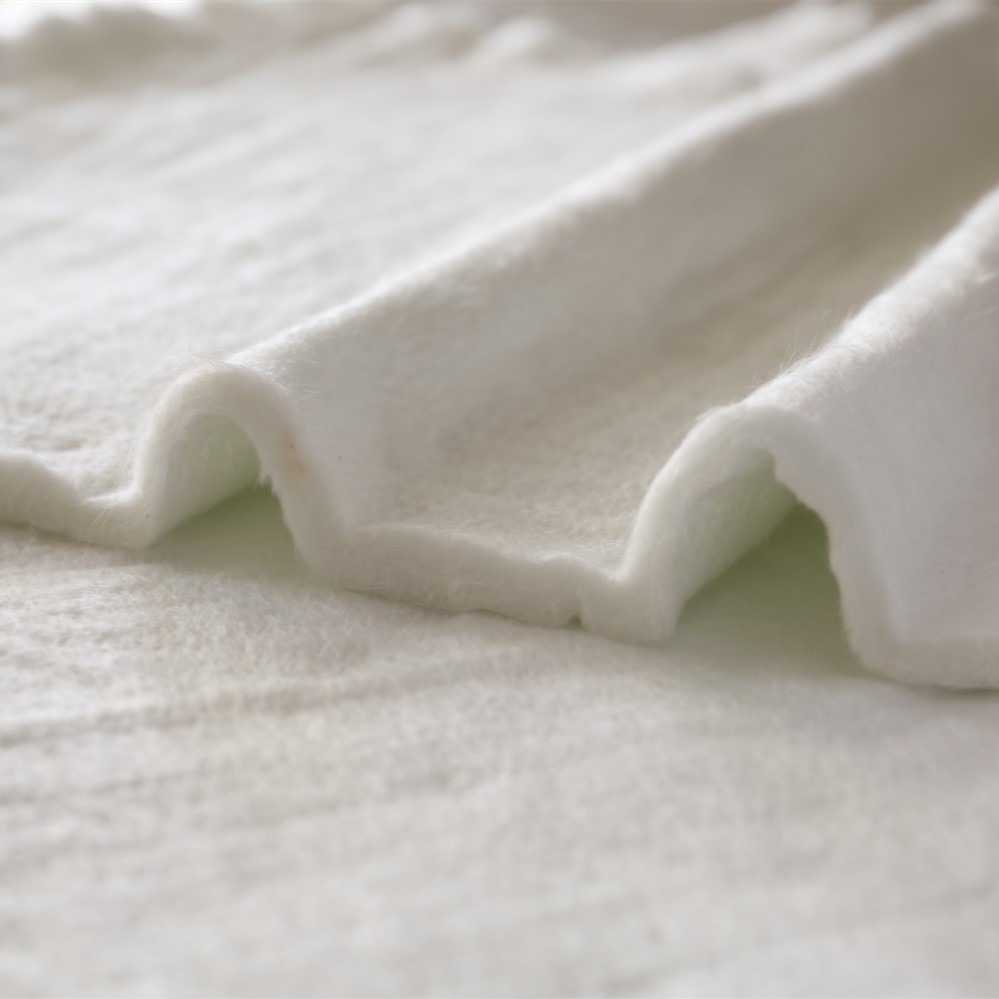
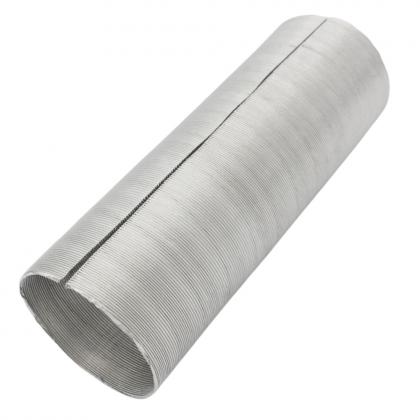
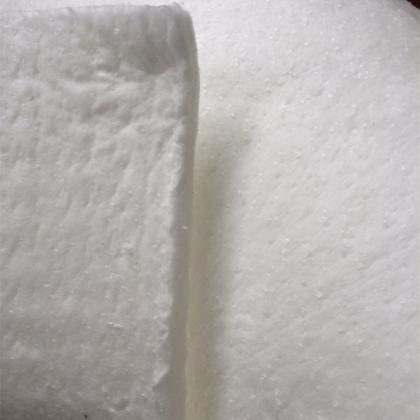
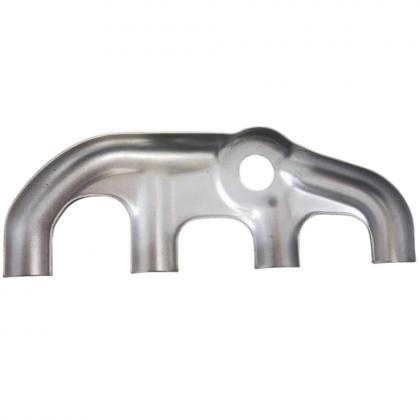
E-glass needle mat is a specialized fiberglass material designed for thermal insulation, fire resistance, and composite reinforcement across a wide range of industries. Made from extremely fine E-glass fibers, the mat is mechanically bonded using a needle-punch process, creating a strong, uniform, and highly porous structure. Because of its lightweight build and impressive heat resistance, it has become a staple in automotive manufacturing, shipbuilding, and advanced composite production.

The e-glass needle mat represents a class of materials that strike a balance between flexibility, durability, and thermal stability, making them ideal for both structural reinforcement and high-temperature environments.
E-glass needle mats are composed of:
100% E-glass fibers
Needle-punched non-woven construction
Optional binder or resin compatibility
Fiber diameter typically between 6–13 μm
These mats are engineered to deliver superior insulation, excellent fire performance, and compatibility with phenolic, epoxy, polyester, and other resin systems.
The needle-punch method mechanically interlocks E-glass fibers without chemical binders. This process results in:
Higher tensile strength
Increased uniformity
Exceptional dimensional stability
Improved porosity for better resin penetration
This manufacturing technique is what sets e-glass needle mat apart from other fiberglass reinforcement materials, giving it a distinct identity in industrial applications.
One of the most notable strengths of e-glass needle mat is its exceptional thermal insulation capability. Withstanding temperatures up to 550°C, the mat performs reliably in high-heat environments such as automotive exhaust systems, furnace insulation, and chemical pipelines.
E-glass inherently resists combustion, ensuring safety and integrity during fire exposure. This makes the needle mat a preferred choice for fireproof panels, heat shields, and flame-retardant components.
The porous nature of the needle mat contributes to outstanding sound-absorbing performance. Industrial sectors such as automobile manufacturing use this material for NVH (Noise, Vibration, Harshness) reduction.
E-glass fibers are resistant to most acids, solvents, and fuels. Additionally, the material is non-toxic, lightweight, and recyclable, making it suitable for environmentally conscious applications.
Used for:
Heat shields
Exhaust insulation
Acoustic panels
Engine bay fire protection
E-glass needle mat enhances:
Hull reinforcement
Bulkhead fireproofing
Thermal insulation in cabins and engine rooms
The material helps meet strict fire codes in:
Wall panels
HVAC systems
High-rise building insulation
Because of its excellent resin compatibility, e-glass needle mat is used in:
Mold reinforcement
FRP structures
Chemical tank lamination
Its lightweight properties make it ideal for:
Thermal-insulating layers
Structural fire protection
High-temperature composite layups
| Specification | Typical Value |
|---|---|
| Density | 100–160 kg/m³ |
| Thickness | 3–25 mm |
| Fiber Diameter | 6–13 μm |
| Loss on Ignition | 3–10% |
| Tensile Strength | > 0.9 MPa |
| Maximum Service Temperature | 550°C |
| Binder Content | Optional or ≤ 5% |
| Moisture Absorption | < 1% |
| Feature | Needle Mat | Chopped Strand Mat |
|---|---|---|
| Structure | Non-woven, needle-punched | Random chopped fibers |
| Resin Compatibility | High | Moderate |
| Insulation | Excellent | Poor |
| Strength | High | Medium |
Needle mat is softer and better for insulation, while woven roving provides higher tensile strength for structural reinforcement.
Basalt mats handle higher temperatures but cost significantly more.
Higher densities offer improved structural performance, while thicker mats provide stronger insulation.
Choose mats rated above your operating temperature—industrial systems often require at least 500°C tolerance.
Depending on the application, you may choose:
Polyester
Vinyl ester
Epoxy
Phenolic
Use sharp blades for clean cuts
For composite applications, pre-wet the mat for easier shaping
Apply uniform pressure during lamination for best adhesion
Wear protective gloves
Avoid inhaling dust
Store in dry, cool conditions to maintain integrity
It’s commonly used for insulation, fireproofing, composite reinforcement, and acoustic absorption.
Yes, most types withstand up to 550°C.
It works very well with polyester, epoxy, phenolic, and vinyl ester resins.
No, E-glass is non-toxic and environmentally safe.
For insulation, thicker mats (10–25 mm) are preferred; for composites, thinner mats work better.
Yes, but UV protection or coating is recommended for long-term exposure.
The e-glass needle mat is an exceptionally versatile material trusted across multiple industries for its thermal stability, structural performance, and insulation properties. Whether used in automotive exhaust systems, FRP composite reinforcement, or fireproof construction materials, its combination of strength, lightweight design, and durability makes it a leading choice for engineers and manufacturers worldwide.
IPv6 network supported