A silicone coated fiberglass welding blanket is an industrial-grade protective material engineered to withstand intense heat, molten metal sparks, welding spatter, and mechanical abrasion. Combining the strength of woven fiberglass cloth with the durability of a premium silicone rubber coating, this blanket delivers superior resistance to fire, chemicals, and high temperatures. It is widely used in welding, cutting, grinding, metal fabrication, maintenance operations, shipbuilding, automotive manufacturing, and industrial fire protection.
Silicone coatings enhance the performance of fiberglass fabric by improving flexibility, surface durability, and resistance to oil, moisture, and chemicals. As a result, silicone coated fiberglass welding blankets offer a long-lasting solution for shielding sensitive surfaces and equipment from high-temperature hazards. This article provides a comprehensive overview of the product, including its structure, features, applications, technical specifications, installation guidelines, maintenance instructions, and frequently asked questions.

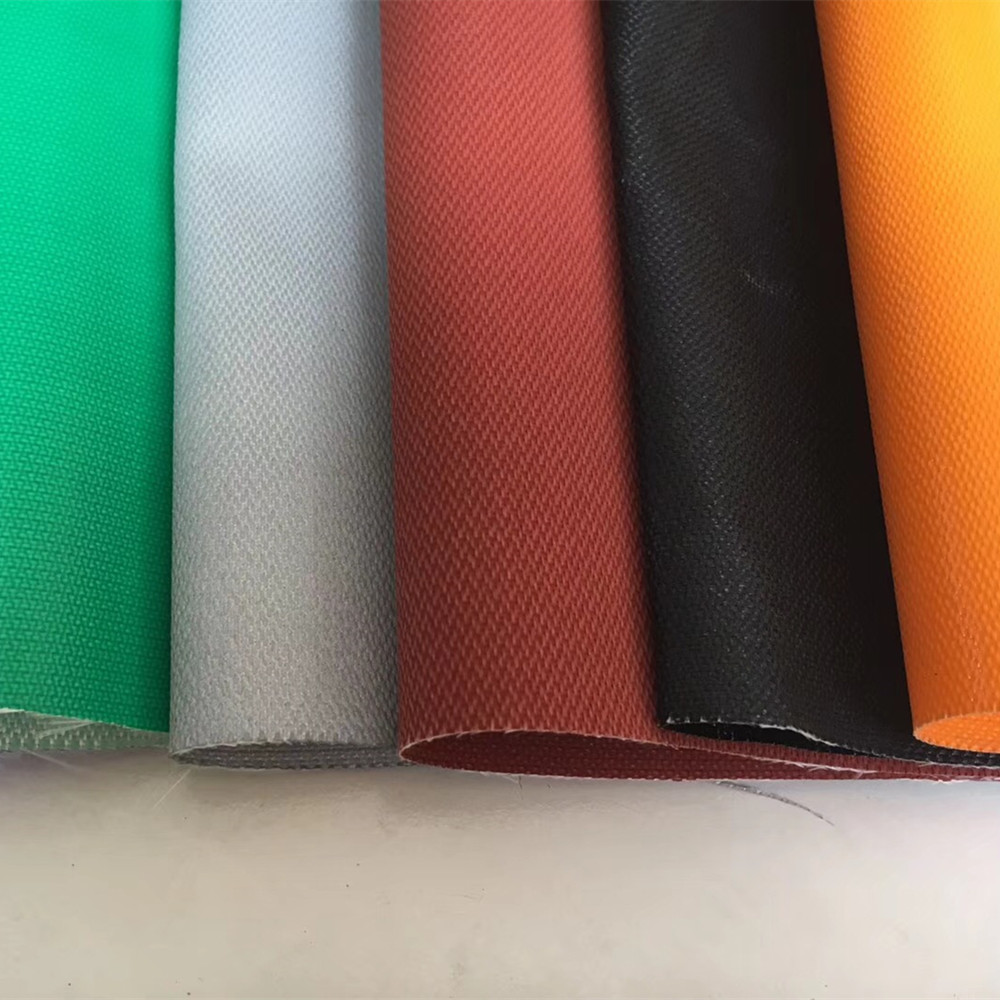
A silicone coated fiberglass welding blanket is a heat-resistant textile created by applying one or two layers of silicone rubber to a base woven fiberglass fabric. The fiberglass substrate provides exceptional tensile strength and thermal insulation, while the silicone coating adds flame resistance, improved abrasion protection, and resistance to water, oils, and chemical exposure. This combination results in a durable protective barrier capable of handling a wide range of industrial heating and welding operations.
These blankets are designed to shield surfaces, equipment, and structures from welding sparks, slag, molten metal droplets, and radiant heat. They help create safe working environments, prevent accidental fires, and protect valuable assets in workshops, factories, and mobile job sites.
Silicone coated fiberglass welding blankets typically withstand continuous temperatures up to approximately 260 degrees Celsius, with short-term exposure to temperatures between 550 and 600 degrees Celsius depending on the grade. This makes them suitable for a wide variety of welding and cutting operations.
The silicone coating is inherently flame resistant and self-extinguishing. It prevents the fiberglass from fraying or releasing fibers when exposed to flame or heat, improving safety and durability.
The silicone coating protects the fabric from tearing, abrasion, and structural damage. This added strength makes the blanket suitable for heavy-duty industrial environments where physical contact and friction are frequent.
Silicone offers strong resistance to oil, grease, solvents, and water. This makes the blanket an ideal choice for industrial plants, automotive workshops, and chemical processing areas.
The silicone surface provides a smooth and flexible feel, allowing workers to drape, hang, wrap, or position the blanket easily around equipment and welding zones.
During high-temperature exposure, silicone coated fiberglass produces minimal smoke and does not release harmful gases, making it suitable for enclosed or poorly ventilated areas.
The combination of fiberglass strength and silicone durability ensures extended operational life even under demanding working conditions.
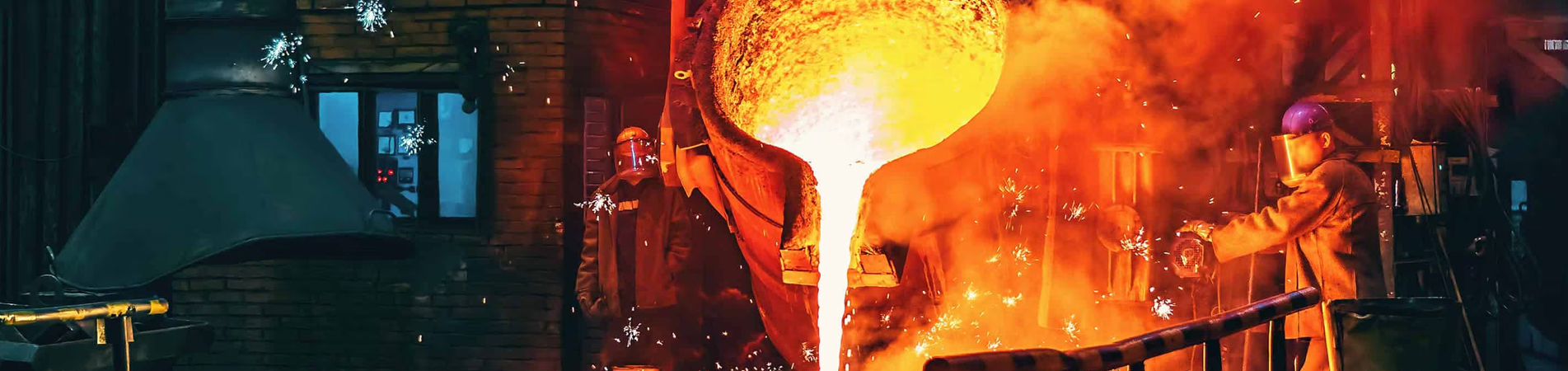
Silicone coated fiberglass welding blankets are used as protective barriers to shield machinery, floors, walls, and surrounding surfaces from sparks, slag, and molten metal during MIG, TIG, arc welding, and oxy-fuel cutting.
These blankets act as thermal curtains or shields in industrial settings, helping confine heat and protect adjacent equipment.
Blankets serve as fire barriers in industrial plants, offering passive protection in areas prone to high-temperature exposure or accidental ignition.
During metal fabrication in automotive repair, manufacturing, and ship construction, silicone coated blankets protect interiors, panels, and components.
Industrial maintenance teams use silicone coated blankets during repairs in refineries, chemical facilities, energy plants, and construction sites requiring hot work permits.
Heaters, boilers, pipes, and exhaust systems can be wrapped or shielded using silicone coated fiberglass materials to manage heat flow.
| Property | Value |
|---|---|
| Base Material | Woven fiberglass fabric |
| Coating | Silicone rubber on one or both sides |
| Continuous Temperature Resistance | Up to approximately 260 degrees Celsius |
| Short-Term Temperature Resistance | Approximately 550 to 600 degrees Celsius |
| Thickness Options | 0.5 to 3.0 millimeters depending on grade |
| Weight | 600 to 1600 grams per square meter |
| Tensile Strength | High due to fiberglass reinforcement |
| Flame Resistance | Self-extinguishing silicone coating |
| Chemical Resistance | Resistant to oils, solvents, moisture, and many chemicals |
| Abrasion Resistance | High |
| Available Sizes | Sheets, rolls, or custom dimensions |
| Color Options | Grey, red, black, or as requested |
| Weave Structure | Satin, plain, or twill fiberglass weave |
These values vary by manufacturer and product type.
Silicone coated fiberglass provides higher abrasion resistance, enhanced moisture protection, and longer service life. Uncoated fiberglass blankets can fray, while silicone coated surfaces remain stable under wear.
Silica blankets offer higher temperature resistance but are more brittle and less abrasion-resistant. Silicone coated fiberglass blankets provide a balanced performance suitable for general and medium-duty welding tasks.
Leather is heavy and less heat resistant than silicone coated fiberglass. Silicone blankets are lighter, more versatile, and more resistant to chemicals.
fiberglass welding protection blanket, heat resistant silicone coated cloth, industrial fireproof welding mat, thermal insulation fiberglass sheet, flame retardant silicone textile, welding spark protection cover, high temperature welding shield material
Select a blanket rated for temperatures that match or exceed your welding or cutting operations.
Thicker silicone coatings offer improved abrasion resistance and durability but may reduce flexibility.
Choose appropriate sheet dimensions to cover equipment, floors, walls, or specific work areas.
Single-side coated blankets are suitable for general tasks, while double-side coated blankets offer stronger resistance to abrasion and chemicals.
For wet, oily, or chemical-rich work environments, a thicker or double-sided silicone coating is recommended.
Place or hang the blanket to cover exposed areas surrounding the welding zone. Ensure coverage of all surfaces vulnerable to sparks or heat.
Use magnets, clamps, or fasteners to secure the blanket during welding operations, avoiding movement or shifting.
Do not press the blanket tightly against extremely hot surfaces. Leaving a small gap can improve thermal insulation.
Check the blanket during use to ensure it remains properly positioned and free from excessive heat buildup.
Use a brush or low-pressure air to remove metal particles, dust, and contaminants. Silicone surfaces can be wiped with mild cleaners.
Look for burn marks, tears, abrasions, or thinning areas. Replace blankets that show signs of thermal degradation.
Store in clean, dry environments, away from chemicals, sharp objects, and direct sunlight to prevent premature wear.
Silicone coated fiberglass welding blankets provide strong safety advantages in industrial environments by helping prevent fires, reducing equipment damage, and protecting workers from radiant heat and molten metal spatter. The silicone coating further improves handling safety, reducing irritation from fiberglass fibers and improving fabric integrity.
It is used to protect surfaces, equipment, and personnel from welding sparks, slag, molten metal, and heat exposure.
They typically withstand continuous temperatures up to around 260 degrees Celsius, with short-term resistance between 550 and 600 degrees Celsius.
Yes. The silicone coating enhances abrasion resistance, moisture resistance, and chemical protection.
Yes. Silicone provides excellent weather, UV, and moisture resistance.
Yes. The coating prevents loose fibers and reduces dust generation, making the blanket safer to handle.
Double-side coated blankets offer improved durability and chemical resistance, making them ideal for demanding industrial applications.
With proper use and maintenance, these blankets have a long service life and withstand repeated exposure to heat and sparks.
Silicone coated fiberglass welding blanket is among the most versatile and reliable protective materials for industrial hot work environments. Their combination of heat resistance, flame protection, abrasion durability, and chemical stability makes them suitable for welding, cutting, grinding, and fire protection tasks across numerous industries. By selecting the appropriate thickness, size, and coating type, users can ensure maximum performance and safety. With proper maintenance and correct installation, silicone coated fiberglass welding blankets offer long-term protection and contribute to a safer, more efficient workplace.
IPv6 network supported