Choosing between a silica sleeve and a fiberglass sleeve depends on working temperature, flame exposure, abrasion level, budget, and the type of equipment being protected. Both products are widely used for hose, cable, wire, pipe, and exhaust insulation, but they are not designed for the same heat conditions.
BSTFLEX supplies industrial-grade silica sleeve heat protection solutions for extreme temperature applications, as well as related insulation products for industrial, automotive, aerospace, and OEM use.

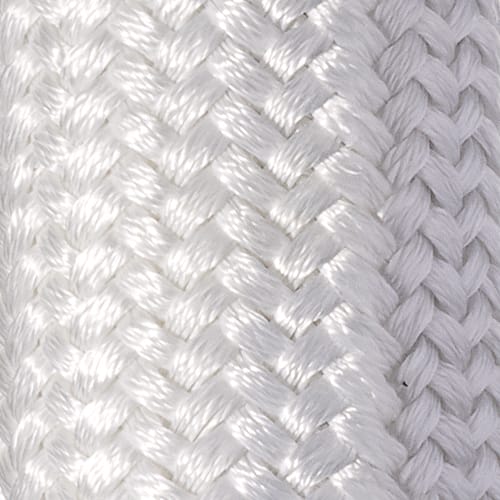
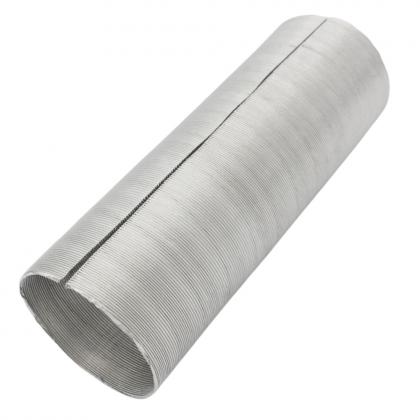
A silica sleeve is a high-temperature insulation sleeve made from high-purity silica fiber. It is designed to protect hoses, cables, pipes, and equipment from extreme heat, flame exposure, and thermal radiation. Because silica fiber has excellent thermal stability, silica sleeves are commonly used in harsh environments where standard fiberglass protection may not be enough.
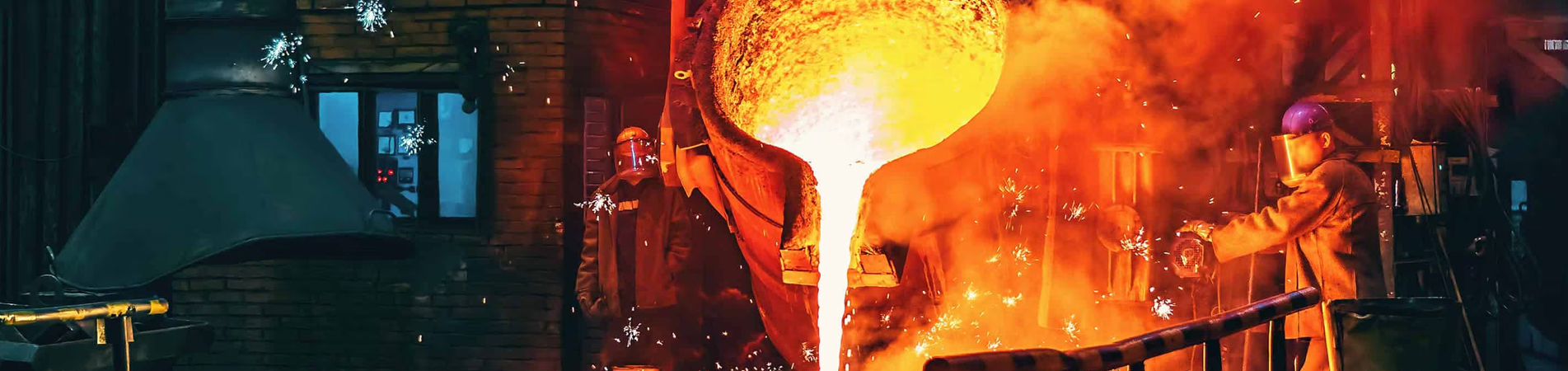
Typical applications include automotive exhaust systems, turbocharger areas, industrial furnace zones, foundry equipment, steel plants, power generation systems, and high-temperature cable protection.
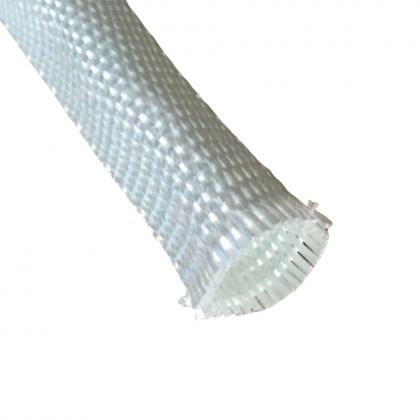
A fiberglass sleeve is usually made from E-glass fiber or texturized fiberglass yarn. It provides reliable heat insulation, electrical insulation, and mechanical protection for wires, hoses, and cables in general industrial environments.
Fiberglass sleeves are often selected when the operating temperature is lower, the budget is important, and the application does not involve long-term direct flame or extreme radiant heat.
| Comparison Point | Silica Sleeve | Fiberglass Sleeve | Best Choice |
|---|---|---|---|
| Continuous Temperature | Up to 1000°C | Up to 550°C | Silica Sleeve |
| Short-Term Heat Exposure | Above 1200°C | Approx. 650°C | Silica Sleeve |
| Direct Flame Resistance | Excellent | Good | Silica Sleeve |
| Electrical Insulation | Good | Very Good | Fiberglass Sleeve |
| Flexibility | Good | Good | Both |
| Cost | Higher | More economical | Fiberglass Sleeve |
| Best Application | Extreme heat and flame protection | General heat and electrical insulation | Depends on use |
A silica sleeve is the better choice when the protected component is close to a high-temperature heat source. It is especially useful when hoses, cables, or pipes are exposed to exhaust heat, furnace heat, radiant heat, sparks, or molten splash.
Silica sleeve is suitable for applications where temperatures exceed the working range of fiberglass materials.
It helps reduce heat-related failure in hydraulic hoses, control cables, sensor wiring, and industrial pipelines.
Fiberglass sleeve is a practical choice for medium-temperature protection and electrical insulation. It is often used where heat is present but not extreme enough to require silica fiber. For large-volume projects, fiberglass sleeve can also be more cost-effective.
Before selecting a heat protection sleeve, engineers and buyers should review the complete working environment, not only the maximum temperature. Real-world performance depends on heat source distance, airflow, vibration, abrasion, installation space, and service time.
If the sleeve will face continuous extreme heat, silica sleeve is normally the safer option. If the temperature is moderate, fiberglass sleeve may provide enough protection at a lower cost.
Direct flame exposure requires stronger thermal stability. Silica sleeve is more suitable for flame-prone and high-risk industrial areas.
If the sleeve will rub against metal surfaces or moving parts, abrasion resistance and installation clearance should be checked carefully.
Standard sleeves are installed before hose or cable assembly. Split sleeves with hook and loop closure are better when the component cannot be removed.
BSTFLEX can supply custom heat protection sleeves according to project requirements, drawings, samples, and working conditions.
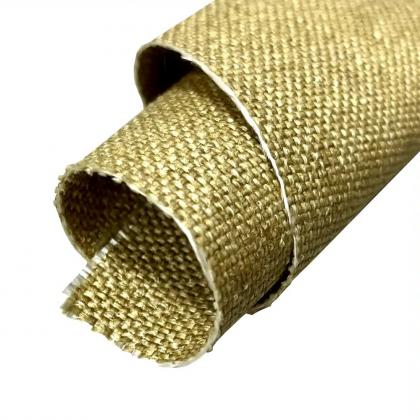
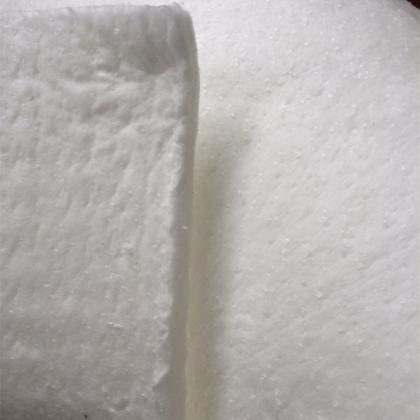
Use insulation mats together with sleeves for larger heat shielding areas, equipment covers, and custom thermal barriers.
Fiberglass tape can be used for wrapping, securing, and reinforcing insulation assemblies in high-temperature environments.
Not sure whether silica sleeve or fiberglass sleeve is better for your application? Send BSTFLEX your working temperature, hose or cable diameter, installation environment, required length, and quantity. Our team can recommend the right heat protection sleeve for your project.
Request a QuoteSilica sleeve is better for extreme heat, direct flame, and high-risk thermal protection. Fiberglass sleeve is better for general heat insulation and cost-sensitive applications.
A typical silica sleeve can withstand continuous temperatures up to 1000°C and short-term exposure above 1200°C, depending on construction and application conditions.
Fiberglass sleeve is commonly used for continuous temperatures up to about 550°C. Coatings and construction may change the final performance.
Yes. BSTFLEX can customize diameter, thickness, coating, length, split design, packaging, and OEM requirements.
IPv6 network supported