What Temperature Can Silica Fabric Withstand?
Silica fabric is a high-temperature textile designed for extreme heat insulation, welding protection, furnace lining and industrial thermal shielding applications. One of the most common questions from engineers and buyers is: what temperature can silica fabric withstand?
The answer depends on the silica content and construction. BSTFLEX supplies multiple grades of amorphous silica fabric, including 96% silica fabric and 70% silica fabric, each with different temperature resistance levels.
What Is Silica Fabric Temperature Resistance?
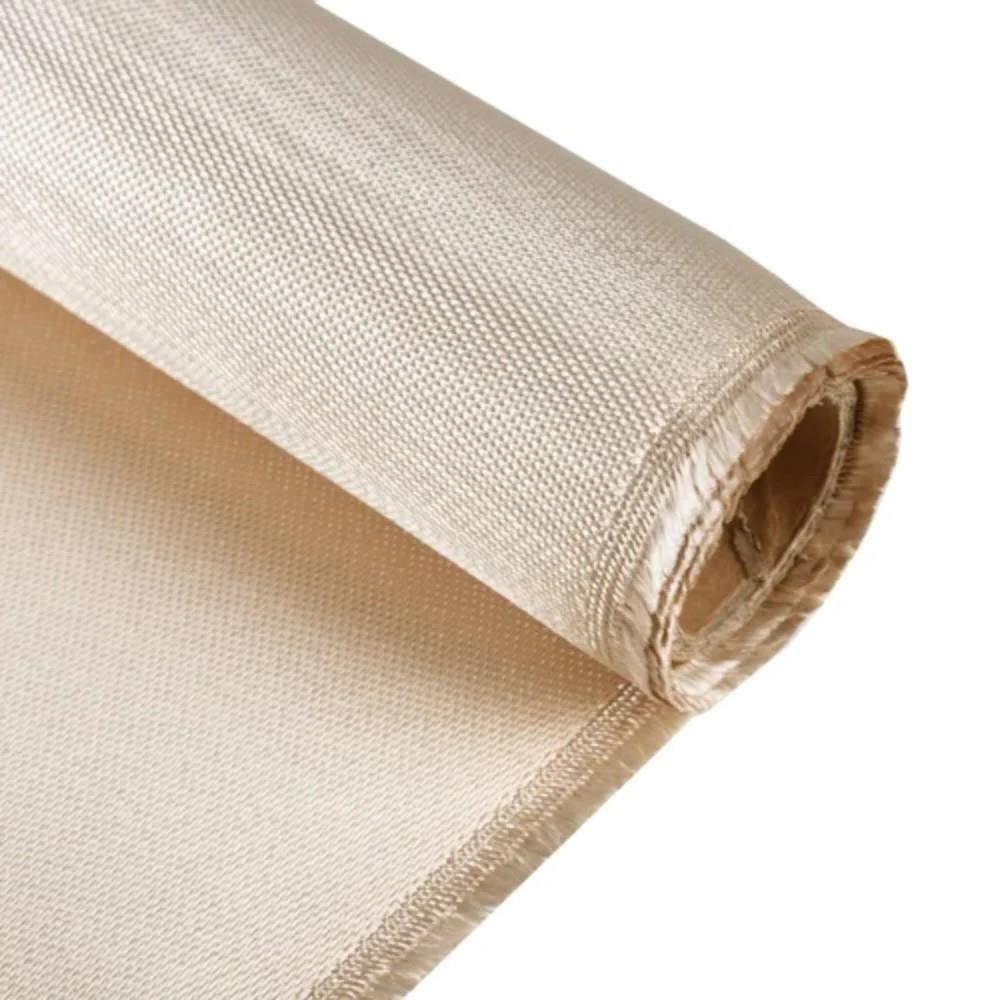
The temperature resistance of high silica fabric refers to the maximum continuous and peak heat exposure the material can withstand without structural failure, melting or significant shrinkage.
Unlike organic fibers or standard fiberglass, silica fabric is composed of high-purity SiO₂-based fibers, giving it excellent thermal stability in extreme industrial environments.
Temperature Resistance by Material Grade
| Silica Fabric Type | Continuous Temperature | Short-Term Peak Temperature | Application Level |
|---|---|---|---|
| 70% Silica Fabric | ~600–800°C | ~900°C | Medium to high heat insulation |
| 96% Silica Fabric | ~900°C | ~1000°C+ | Extreme heat environments |
| Coated Silica Fabric (Silicone / Foil) | Depends on coating system | Base silica still up to 900–1000°C | Mechanical protection + heat shielding |
What Happens When Silica Fabric Reaches Its Limit?
When exposed beyond its rated temperature, silica fabric does not melt like plastic materials. Instead, it gradually loses mechanical strength, becomes brittle, and may shrink or degrade depending on exposure duration.
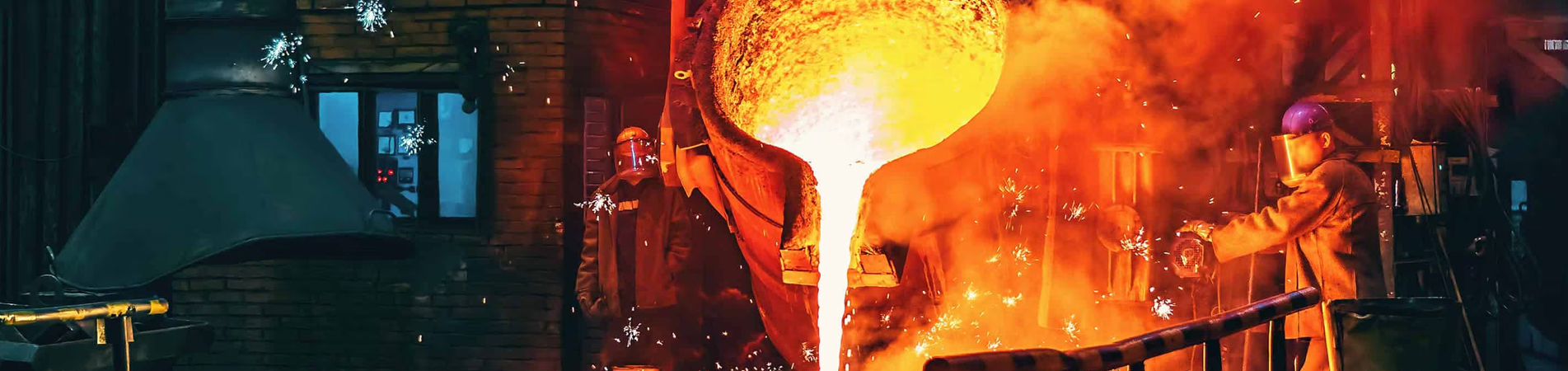
This makes amorphous silica fabric significantly safer than organic insulation materials in high-risk thermal environments such as welding, foundries and furnace systems.
Where High Temperature Silica Fabric Is Used
Welding and Cutting Protection
Silica fabric is used in welding blankets and curtains to block sparks, molten spatter and radiant heat.
Furnace and Kiln Insulation
96% silica fabric is widely used in furnace curtains, heat shields and insulation linings where continuous high temperature is required.
Exhaust and Engine Heat Shielding
Silica fabric is used in automotive and marine exhaust systems to reduce heat transfer to surrounding components.
Fire Barriers and Industrial Safety
It is used as a passive fire protection layer in industrial plants, protecting structures and equipment from fire spread.
96% vs 70% Silica Fabric: Temperature Selection Guide
| Condition | Recommended Material |
|---|---|
| Extreme welding / molten splash | 96% silica fabric |
| Furnace insulation / continuous heat | 96% silica fabric |
| General industrial heat shielding | 70% silica fabric |
| Cost-sensitive insulation projects | 70% silica fabric |
BSTFLEX Silica Fabric Manufacturing Capability
BSTFLEX supplies full-range silica fabric solutions including 96% high silica fabric, 70% silica fabric and engineered coated versions such as silicone coated, vermiculite coated, aluminum foil laminated and adhesive backed silica fabric.
All materials can be converted into welding blankets, insulation jackets, heat shields, expansion joints and OEM thermal protection components.
Request Silica Fabric Temperature Recommendation
Send your application details including working temperature, exposure type and product structure. We will recommend the correct silica fabric grade for your project.
Get QuoteFAQ
What is the maximum temperature silica fabric can withstand?
Up to around 1000°C depending on whether it is 96% or 70% silica fabric.
Is silica fabric suitable for continuous heat exposure?
Yes, especially 96% silica fabric which is designed for continuous high-temperature environments.
Does silica fabric melt?
No, silica fabric does not melt easily; it degrades gradually under extreme overheating.
What is the best silica fabric for welding blankets?
96% silica fabric is recommended for heavy welding and molten splash environments.


 IPv6 network supported