Basalt Biaxial Braided Sleeving
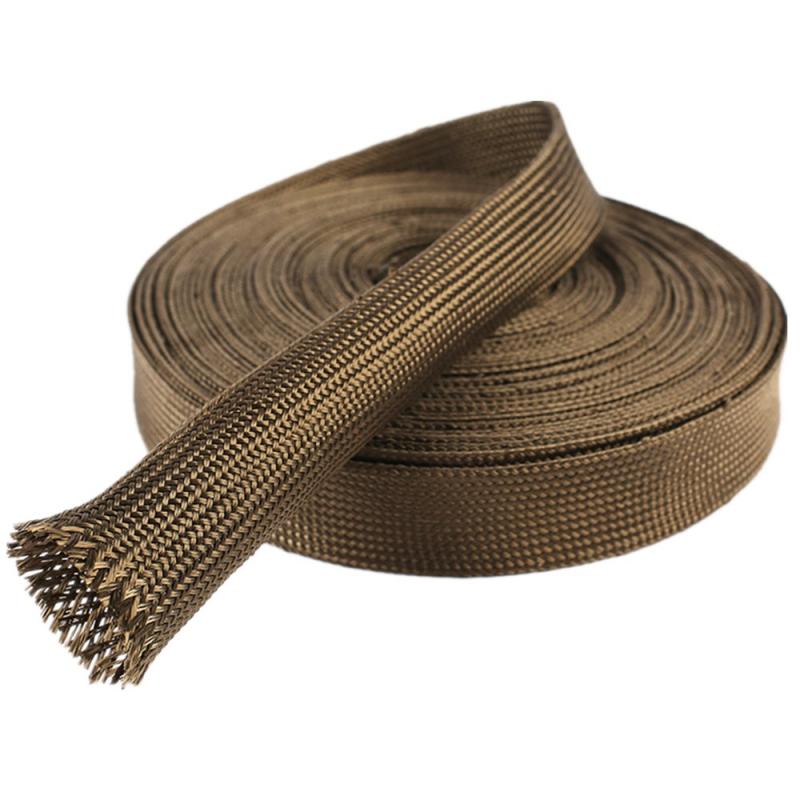
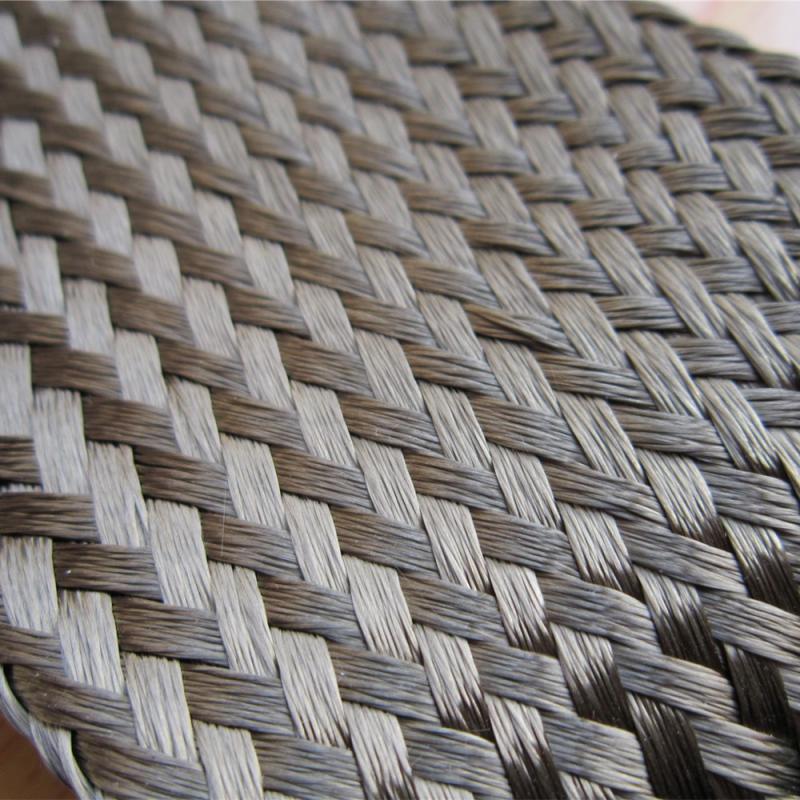
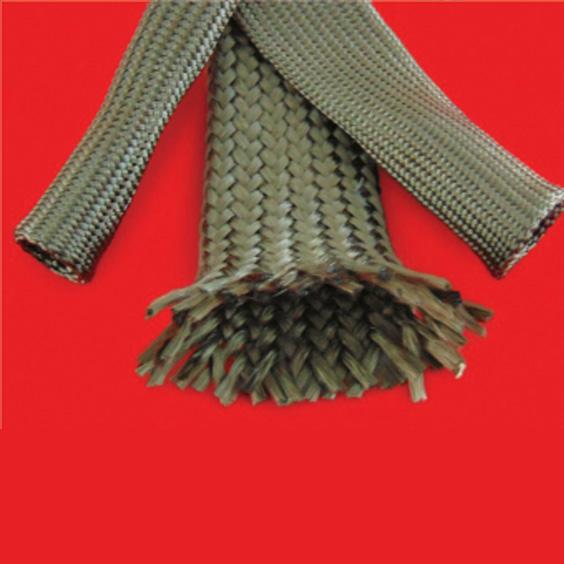
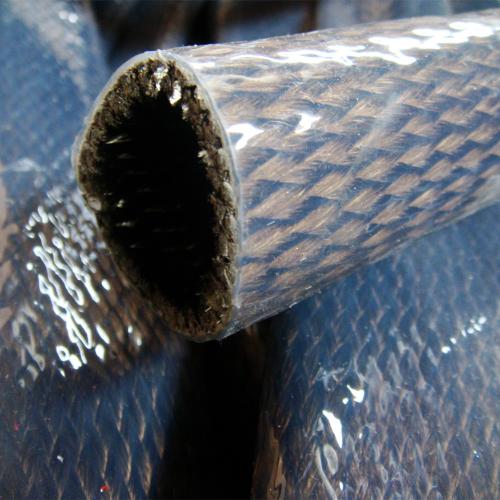
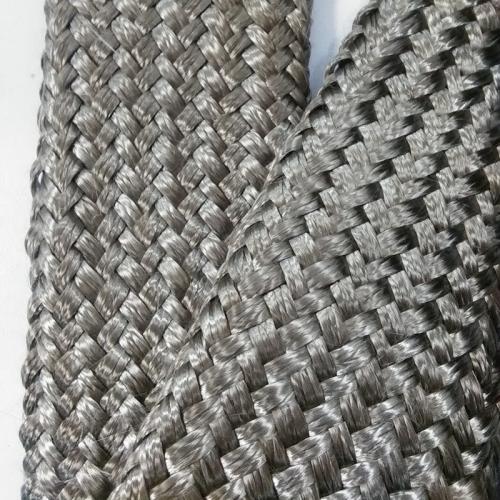
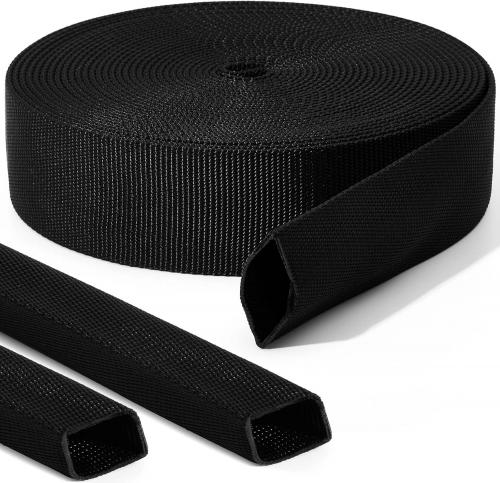
Basalt Biaxial Braided Sleeving is a tubular composite reinforcement sleeve manufactured from continuous basalt fiber yarns arranged in a biaxial braided structure. The fibers are oriented in opposing directions, typically at ±45°, providing balanced mechanical performance, torsional strength, and improved shear resistance in composite structures.
This basalt braided sleeving is designed for structural reinforcement applications where high temperature resistance, dimensional stability, and corrosion resistance are required.
Biaxial Braided Construction
The sleeve is produced using a controlled braiding process that interlaces basalt fiber yarns in two opposing directions.
-
Biaxial ±45° fiber orientation
-
Uniform load distribution around tubular structures
-
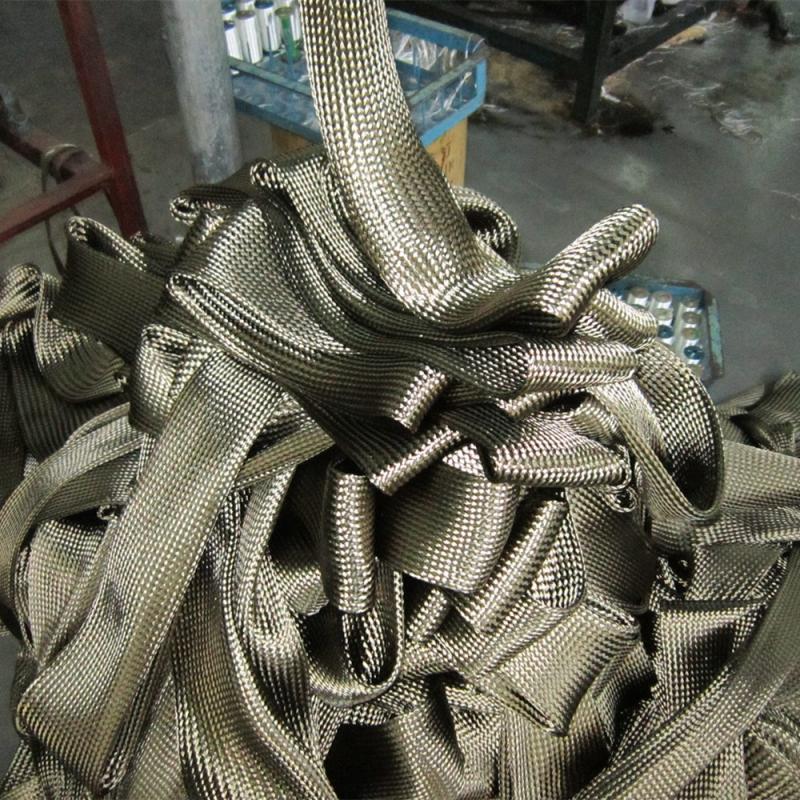
Expandable structure to fit various mandrel diameters
-
Good resin permeability for composite infusion
Compared with unidirectional fabrics, biaxial braided sleeves provide better torsional and circumferential reinforcement in tubular composite components.
Basalt Fiber Material Properties
Basalt fiber is derived from natural volcanic rock and offers stable mechanical and thermal characteristics.
-
High tensile strength
-
Excellent temperature resistance
-
Low thermal expansion
-
Good chemical and corrosion resistance
-
Non-combustible and environmentally stable
-
Superior performance compared to E-glass in elevated temperatures
Basalt fiber combines the durability of glass fiber with improved thermal stability.
Temperature Performance
Basalt Biaxial Braided Sleeving is suitable for applications involving elevated temperatures.
-
Continuous service temperature up to approx. 700°C
-
Excellent resistance to thermal cycling
-
Maintains mechanical integrity under heat exposure
It is suitable for applications where fiberglass may soften or degrade under prolonged heat.
Mechanical Advantages
This basalt biaxial braided sleeve provides:
-
Balanced torsional strength
-
Improved shear resistance
-
Enhanced fatigue performance
-
Lightweight structural reinforcement
-
Dimensional stability after curing
The biaxial braided structure reduces stress concentration and improves laminate uniformity.
Compatibility with Composite Manufacturing
Basalt Biaxial Braided Sleeving is compatible with:
The braided sleeve easily expands over mandrels, cores, or tubes before resin impregnation.
Applications
Basalt Biaxial Braided Sleeving is commonly used in:
-
Automotive and motorsport components
Drive shafts, structural tubes, reinforcement sleeves
-
Aerospace and UAV structures
Lightweight tubular frames and arms
-
Marine structures
Corrosion-resistant composite reinforcement
-
Industrial piping and pressure vessels
Structural reinforcement under mechanical load
-
High-temperature composite applications
Components exposed to elevated heat environments
Available Sizes and Customization
-
Multiple nominal diameters available
-
Expandable to accommodate different mandrel sizes
-
Custom braid angles and fiber weights available
-
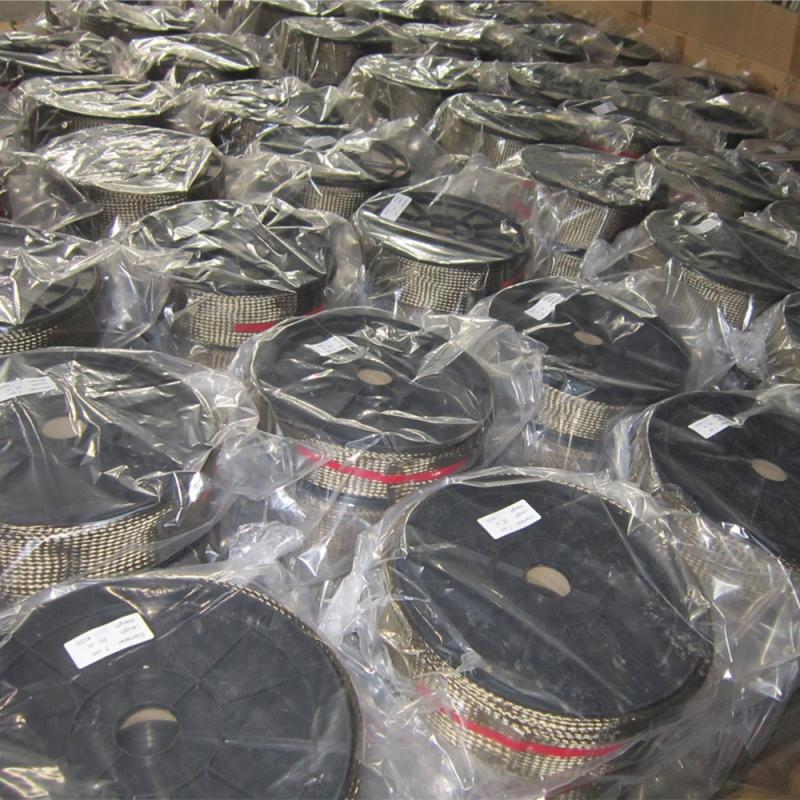
Continuous lengths supplied
Why Choose Basalt Biaxial Braided Sleeving
Basalt Biaxial Braided Sleeving is selected when applications require:
-
Higher temperature resistance than standard fiberglass
-
Improved torsional strength
-
Corrosion resistance
-
Lightweight structural reinforcement
It provides a practical balance between cost, performance, and thermal stability.
Frequently Asked Questions
What is basalt biaxial braided sleeving used for?
It is used as tubular composite reinforcement for structural components requiring torsional strength and heat resistance.
How does basalt fiber compare to fiberglass?
Basalt offers better high-temperature performance and improved chemical resistance.
Is the sleeve suitable for resin infusion?
Yes. The braided structure allows effective resin penetration.
What braid angle is used?
Typically ±45°, but custom angles are available.
Can custom diameters be produced?
Yes. Custom sizes and configurations are available.
Contact Us
If you require high-temperature, corrosion-resistant composite reinforcement, Basalt Biaxial Braided Sleeving provides a durable and structurally efficient solution.





 IPv6 network supported