Silica Braided Sleeve: High-Temperature Protection Solution for Industrial Hoses, Cables, and Equipment
December 07 , 2025
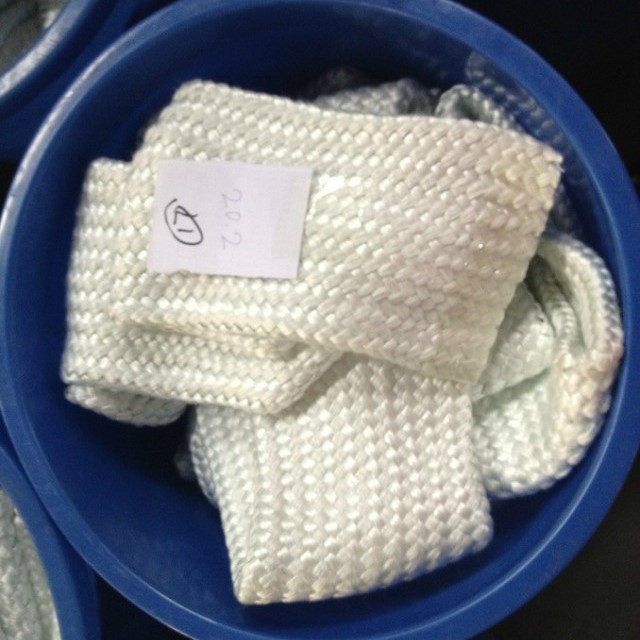
A silica braided sleeve is a high-temperature protective covering designed to shield hoses, cables, and mechanical components from extreme heat, flame exposure, molten splash, and thermal shock. Made from high-purity silica fibers braided into a flexible tubular sleeve, this material is widely used in industries where reliable thermal insulation and fire protection are critical for safe and efficient operation.
Silica braided sleeves are valued for their ability to withstand temperatures that exceed the performance capacity of fiberglass and many other conventional insulating materials. Their robust mechanical structure, combined with inherent thermal stability, makes them suitable for intense industrial settings such as foundries, metal fabrication plants, petrochemical facilities, automotive engine compartments, and power generation systems.
This article provides an in-depth examination of the properties, advantages, technical characteristics, installation practices, and industrial applications of silica braided sleeves. Whether used to protect wiring harnesses, hydraulic lines, exhaust components, or temperature-sensitive instruments, these sleeves offer long-term performance in harsh operating environments.
What Is a Silica Braided Sleeve
A silica braided sleeve is produced from silica fibers that typically contain more than ninety-six percent silicon dioxide. These fibers are braided—rather than woven or knitted—to form a tubular sleeve that provides superior flexibility, tensile strength, and resilience against vibration. The braided structure allows the sleeve to bend, curve, and adapt to complex component geometries while maintaining uniform thermal coverage.
The material is inherently non-combustible, non-melting, and resistant to heat, making it ideal for continuous exposure to high temperatures. Silica fibers also exhibit excellent stability when subjected to thermal cycling, making the sleeve suitable for dynamic systems that expand, contract, or vibrate during operation.
Silica braided sleeves are available in multiple wall thicknesses, diameters, and density levels. They may be used as is or paired with coatings or treatments depending on application requirements.
Key Performance Features
High Temperature Resistance
Silica fibers maintain structural integrity at temperatures up to approximately 1000 degrees Celsius. The braided sleeve protects components from thermal degradation and prevents heat transfer to adjacent systems.
Non-Combustible Construction
Silica does not ignite under flame. This makes the sleeve suitable for fire prevention measures and operations involving exposure to sparks, slag, or direct heat.
Excellent Flexibility
The braided structure ensures pliability even under high-heat conditions. The sleeve can be routed around bends, corners, and uneven surfaces without cracking or tearing.
Low Thermal Conductivity
The dense fiber architecture reduces heat conduction, providing effective insulation for wires, hoses, and mechanical assemblies.
Resistance to Thermal Shock
Rapid temperature fluctuations do not compromise the integrity of silica braided sleeves. This characteristic is essential for automotive and industrial machinery experiencing sudden heat surges.
Mechanical Durability
Silica’s tensile strength helps the sleeve endure mechanical vibration, abrasion, and repetitive motion.
Chemical and Environmental Stability
Silica braided sleeves resist most oils, solvents, coolants, and corrosive agents. They also perform well in outdoor environments, with good resistance to moisture and UV exposure.
Non-Melting and Non-Dripping
Even at extremely high temperatures, silica fibers do not melt or drip, ensuring consistent protection during accidental flame exposure.
Industrial Applications
High-Temperature Hose Protection
Hydraulic hoses, fuel lines, and air lines near hot engine components or furnaces require dependable insulation. Silica braided sleeves protect these lines from radiant heat and surface contact with hot metal.
Cable and Wire Harness Insulation
Electrical cables in power plants, foundries, automotive engine bays, and welding stations use silica sleeves to prevent heat-related damage or signal interference.
Exhaust and Turbo Systems
Silica braided sleeves serve as protective sheaths over exhaust pipes, turbo oil lines, and sensor wires, helping stabilize operating temperatures and reduce heat transfer.
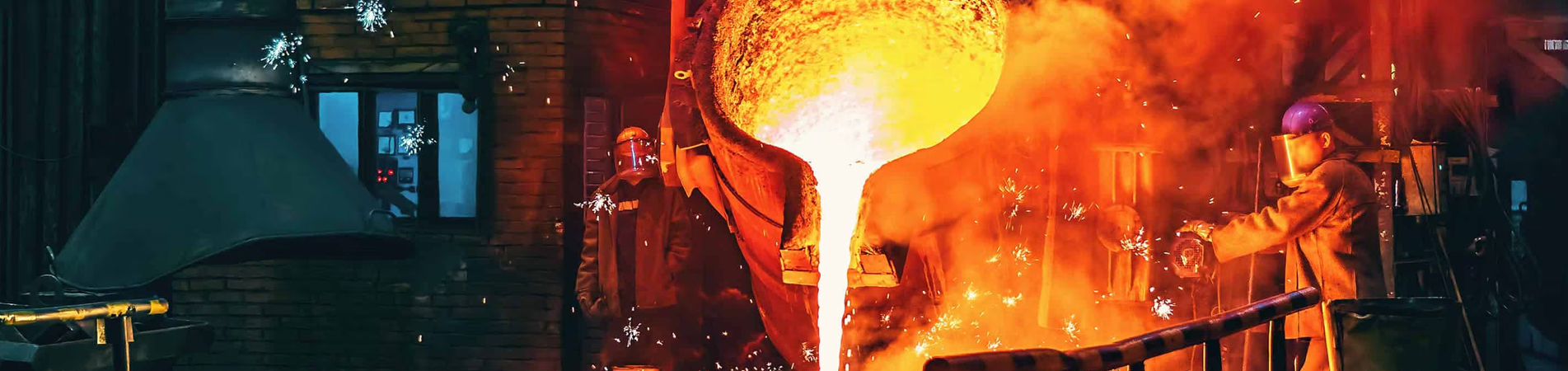
Metallurgy and Foundry Operations
Molten metal, slag, and high radiant heat environments require non-combustible sleeves that resist extreme temperatures and thermal shock.
Welding and Cutting Protection
Welding operations generate sparks and metal spatter. Silica sleeves protect hoses, cables, and tools from direct exposure.
Power Generation
Gas turbines, boilers, generators, and high-temperature pipelines rely on silica insulation to maintain operational reliability.
Petrochemical and Refinery Applications
Pipelines, valves, and automated control systems operating near high-temperature units benefit from silica sleeves for both thermal and mechanical protection.
Material Composition and Engineering Structure
High-Purity Silica Fibers
The base fibers provide excellent heat resistance, tensile strength, and chemical stability. High silica content enhances the protective features of the sleeve.
Braided Construction
Unlike woven fabrics, braiding interlocks fibers in a circular pattern that improves flexibility, stretch resistance, and uniform coverage.
Wall Thickness Options
Manufacturers offer variable wall thicknesses to match specific protection levels needed for hoses or cables in different heat zones.
Diameter Adaptability
The tubular structure fits multiple hose or cable sizes, enabling easy installation without requiring custom fittings.
Fiberglass sleeves offer good heat resistance but degrade at lower temperatures than silica. Silica sleeves remain structurally stable in more extreme heat.
Compared with Basalt or Lava Sleeves
Basalt fibers tolerate high temperatures but do not match silica’s resistance to thermal shock and prolonged exposure.
Compared with Silicone-Coated Sleeves
Silicone-coated sleeves provide good mechanical durability but rely on coatings that may degrade over time. Silica braided sleeves offer inherent, coating-free heat resistance.
Compared with Ceramic Sleeves
Ceramic sleeves withstand extreme heat but tend to be brittle. Silica braided sleeves maintain flexibility and mechanical strength.
How to Choose the Right Silica Braided Sleeve
Determine Temperature Requirements
Match sleeve thermal rating with the maximum temperature of the surrounding environment.
Consider Mechanical Factors
For areas with substantial vibration, choose sleeves with reinforced braiding.
Account for Chemical Exposure
Select a silica sleeve if operating near solvents, oils, or oxidizing agents.
Evaluate Installation Limitations
Ensure the sleeve diameter and flexibility are appropriate for the component layout.
Assess Insulation Needs
Thicker walls provide better insulation but may reduce flexibility.
Installation Guidelines
Preparation
Inspect the hose or cable for damage before applying the sleeve. Ensure the surface is clean and dry.
Cutting and Sizing
Use sharp cutting tools to prevent fraying. Cut lengths slightly longer than required for full coverage.
Sliding Over Components
Gently slide the sleeve onto the hose or cable. The braided design allows smooth installation around curves.
Securing the Ends
Use metal clamps, heat-resistant ties, or mechanical fasteners to secure the sleeve and prevent movement.
Avoid Overstretching
Do not stretch the sleeve excessively, as this may reduce wall thickness and insulation performance.
Maintenance and Inspection
Routine Checks
Inspect for discoloration, fiber thinning, or mechanical damage caused by friction or vibration.
Cleaning
Light brushing or compressed air can remove dust and debris. Avoid harsh chemicals, which are generally unnecessary for silica products.
Replacement
Replace sleeves that show cracking, severe abrasion, or notable fiber loss.
Storage
Store in clean, dry conditions away from contaminants or sharp objects.
Frequently Asked Questions
What is a silica braided sleeve used for
It is used to protect cables, hoses, and mechanical components from extreme heat, flame, molten metal, and thermal shock.
How much heat can a silica sleeve withstand
Most silica sleeves tolerate continuous temperatures around 1000 degrees Celsius depending on grade and fiber purity.
Is it flexible
Yes. The braided structure provides excellent flexibility, allowing the sleeve to fit around bends and uneven surfaces.
Does it melt
No. Silica fibers are non-melting due to their extremely high melting point.
Can it be used near exhaust systems
Yes. Silica braided sleeves are commonly used around hot exhaust components and turbo systems.
Are silica sleeves electrically conductive
No. They are non-conductive and safe for electrical cable insulation.
How long do they last
Longevity depends on environmental conditions, but silica sleeves typically offer long service life in high-temperature applications.
Silica braided sleeves provide reliable and long-lasting thermal protection for hoses, cables, and equipment operating in extreme heat environments. Their combination of flexibility, non-combustibility, chemical stability, and mechanical resilience makes them indispensable across multiple industries, from metal processing and energy production to automotive and heavy machinery applications. By selecting the appropriate sleeve size, thickness, and grade, users can significantly enhance operational safety, extend component lifespan, and maintain stable system efficiency in challenging thermal conditions.