Silica Sleeve: The Complete Guide to Extreme High Temperature Protection
December 02 , 2025
What Is a Silica Sleeve
A silica sleeve is a high temperature protective sleeve made from high purity silica fibers, designed to withstand extreme heat environments where conventional fiberglass sleeves cannot perform. With silica content ranging from 96 percent to 99 percent, this material delivers exceptional thermal stability, flame resistance, and mechanical durability.
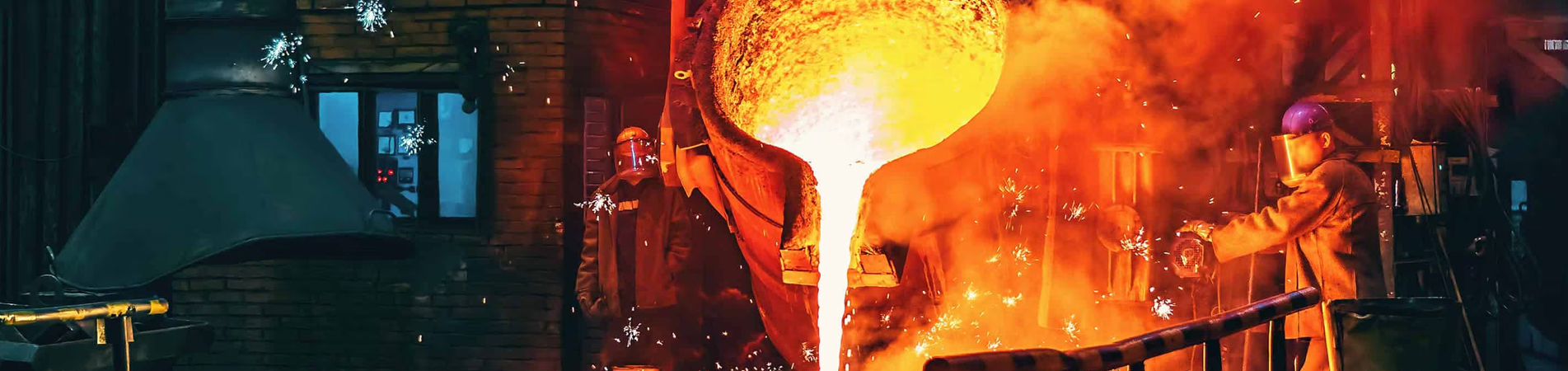
Silica sleeves are widely used in foundries, metal processing plants, aerospace systems, power generation, and high temperature exhaust applications.
How Silica Sleeves Are Manufactured
High Purity Silica Fiber Production
Silica fibers are produced from molten silica glass that is drawn into fine filaments. High silica purity ensures stability under extreme temperatures.
Braiding and Weaving
The fibers are braided or woven into a tubular sleeve structure. This process provides flexibility and excellent mechanical strength.
Thermal Treatment
Special high heat treatment improves thermal shock resistance and reduces fiber brittleness, making the sleeve suitable for repeated heat exposure.
Material Composition and Key Properties
High Silica Content
Silica sleeves typically contain more than 96 percent SiO₂, giving them superior heat resistance compared with fiberglass.
Thermal and Fire Resistance
Silica sleeves are non combustible and maintain structural integrity at extremely high temperatures.
Mechanical and Chemical Resistance
They resist molten metal splash, slag contact, thermal shock, and many industrial chemicals.
Temperature Ratings and High Heat Performance
Silica sleeves are engineered for extreme environments.
Continuous temperature rating: approximately 1000 degrees Celsius Short term peak resistance: up to 1400 degrees Celsius depending on thickness
They also provide excellent resistance to thermal shock, allowing them to endure rapid temperature changes.
Applications of Silica Sleeves
Foundries and Metal Processing
Used to protect hoses and cables near molten metal, furnaces, and casting lines.
Aerospace and Defense
Applied to wiring, hoses, and sensor systems near turbines, engines, and hot sections.
Automotive Exhaust and Turbo Systems
Offers thermal insulation for downpipes, exhaust manifolds, and heat shield areas.
Power Generation and Industrial Boilers
Used in high temperature piping systems, steam lines, and boiler equipment.
Cable and Hose Protection
Protects high voltage cables, hydraulic lines, and pneumatic hoses in extreme heat.
Silica Sleeve vs Fiberglass Sleeve
Feature
Silica Sleeve
Fiberglass Sleeve
Continuous Temperature
Up to 1000°C
Around 540°C
Short Term Peaks
Up to 1400°C
Around 600°C
Thermal Shock
Excellent
Moderate
Chemical Resistance
High
Moderate
Cost
Higher
Affordable
Summary
Silica sleeves are preferred for extreme heat, molten metal, and aerospace conditions, while fiberglass sleeves are suitable for general high temperature insulation.
Advantages of Using a Silica Sleeve
Extreme heat stability Non combustible material Low smoke and low toxicity Resistant to molten metal and slag Excellent thermal shock resistance Long service life in industrial environments Strong abrasion resistance
How to Select the Right Silica Sleeve
Diameter Selection
Measure hose or cable outer diameter and select a sleeve that fits comfortably without stretching excessively.
Thickness and Density
Thicker sleeves offer better heat and molten metal protection.
Application Environment
Extreme heat sources, molten metal areas, and aerospace systems require higher density options.
Installation Guide
Cutting and Handling
Use ceramic scissors or sharp industrial blades for clean cutting. Handle gently to avoid fiber loss.
Securing
Fasten with stainless steel ties, hose clamps, or high temperature bands.
Common Mistakes
Choosing undersized sleeves Not sealing ends properly Overstretching the sleeve
Certifications and Testing Standards
Thermal resistance tests Flame resistance and non combustibility testing Thermal conductivity evaluation Abrasion resistance tests Chemical resistance testing
Maintenance and Storage Tips
Inspect regularly for fiber damage Keep sleeves clean from oil or contaminants Store in dry, ventilated environments Avoid folding tightly to protect fiber structure
Where to Buy Silica Sleeves
Key factors when choosing suppliers:
Silica purity Temperature rating Density and thickness Braiding quality Technical test reports
Frequently Asked Questions
What temperature can silica sleeves handle
Up to 1000 degrees Celsius continuously and up to 1400 degrees Celsius for short durations.
Are silica sleeves safe to use near molten metal
Yes. They are specifically designed for molten metal and slag environments.
Can they be used on automotive exhaust systems
Yes. Silica sleeves provide excellent insulation in turbo and exhaust areas.
Is silica better than fiberglass
Yes for extreme heat, but fiberglass is more economical for moderate temperatures.
Do silica sleeves produce toxic smoke
No. High purity silica materials produce minimal smoke and no toxic emissions.
Silica sleeve is one of the most advanced high temperature insulation solutions available, offering exceptional thermal stability, fire resistance, and mechanical durability. Whether used in foundries, aerospace engines, industrial furnaces, or automotive exhaust systems, silica sleeves provide reliable protection for hoses, cables, and components exposed to extreme heat and molten materials.
Selecting the right diameter, thickness, and temperature rating ensures long term safety and performance in demanding industrial environments.