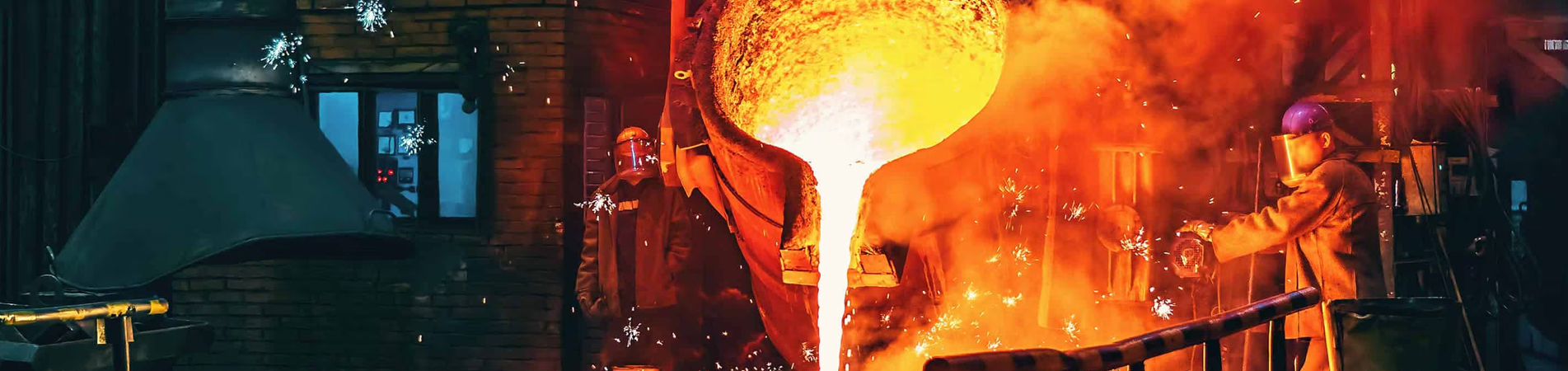
Silica Sleeve for High Temperature Cable and Wire Protection
Electrical cables are often routed through the hottest parts of a machine because the equipment layout leaves few alternatives.
A wiring harness may pass beside an exhaust manifold, a sensor lead may run across a furnace structure, or a power cable may be installed close to a heated process line. The conductor itself may tolerate the environment, while the insulation surrounding it does not.
This is where a silica sleeve for cable can be used as an external thermal protection layer.
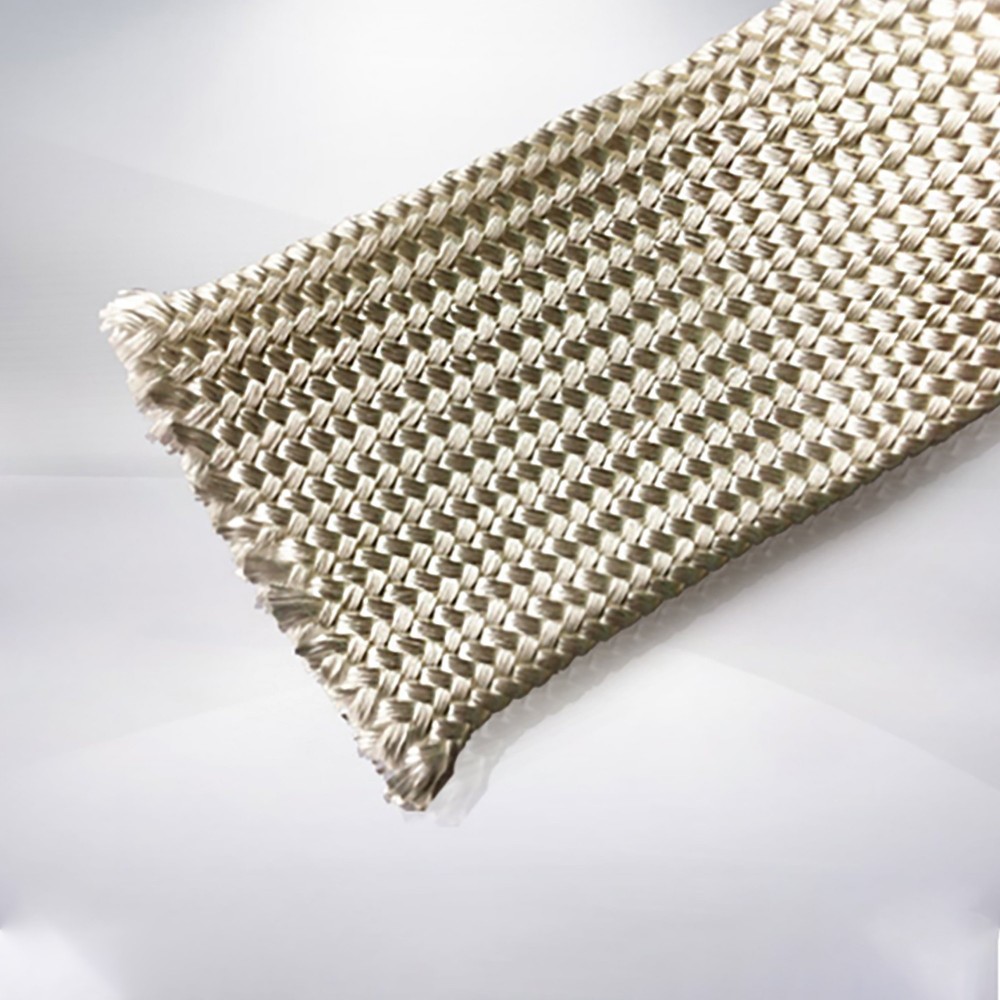
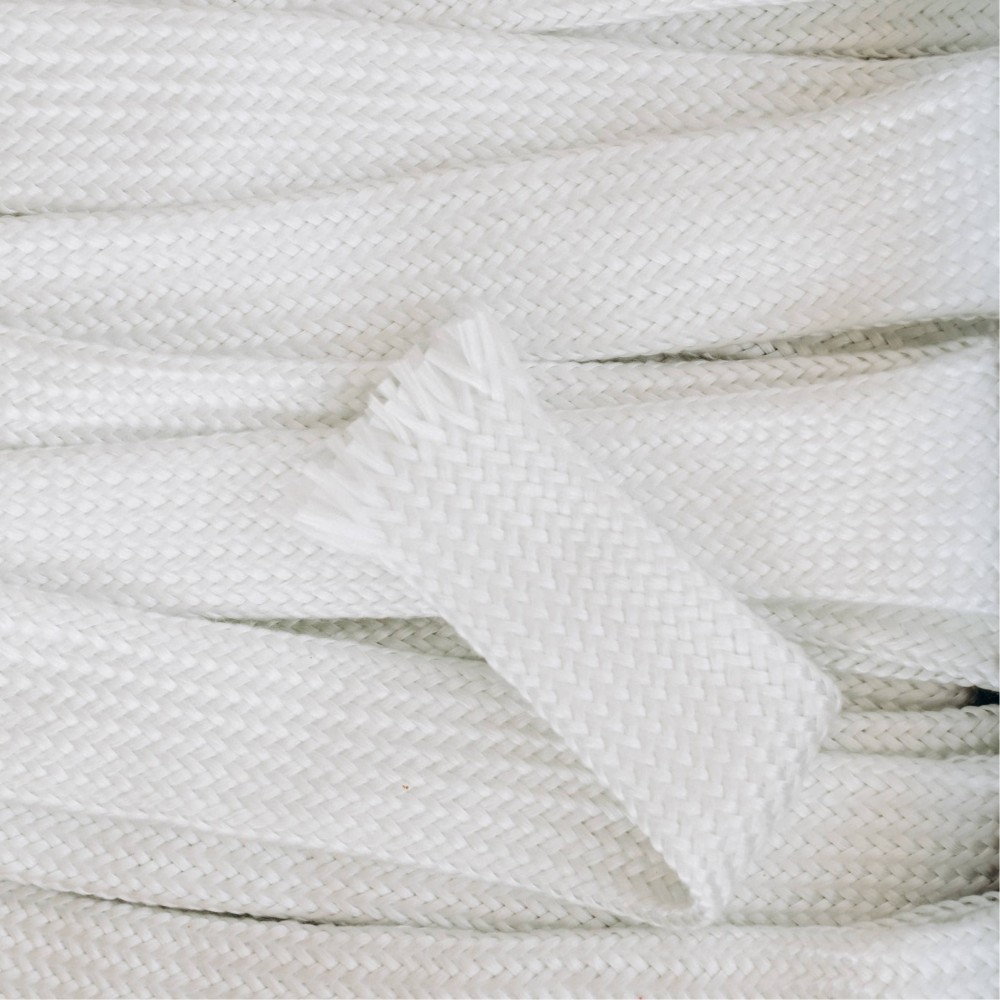
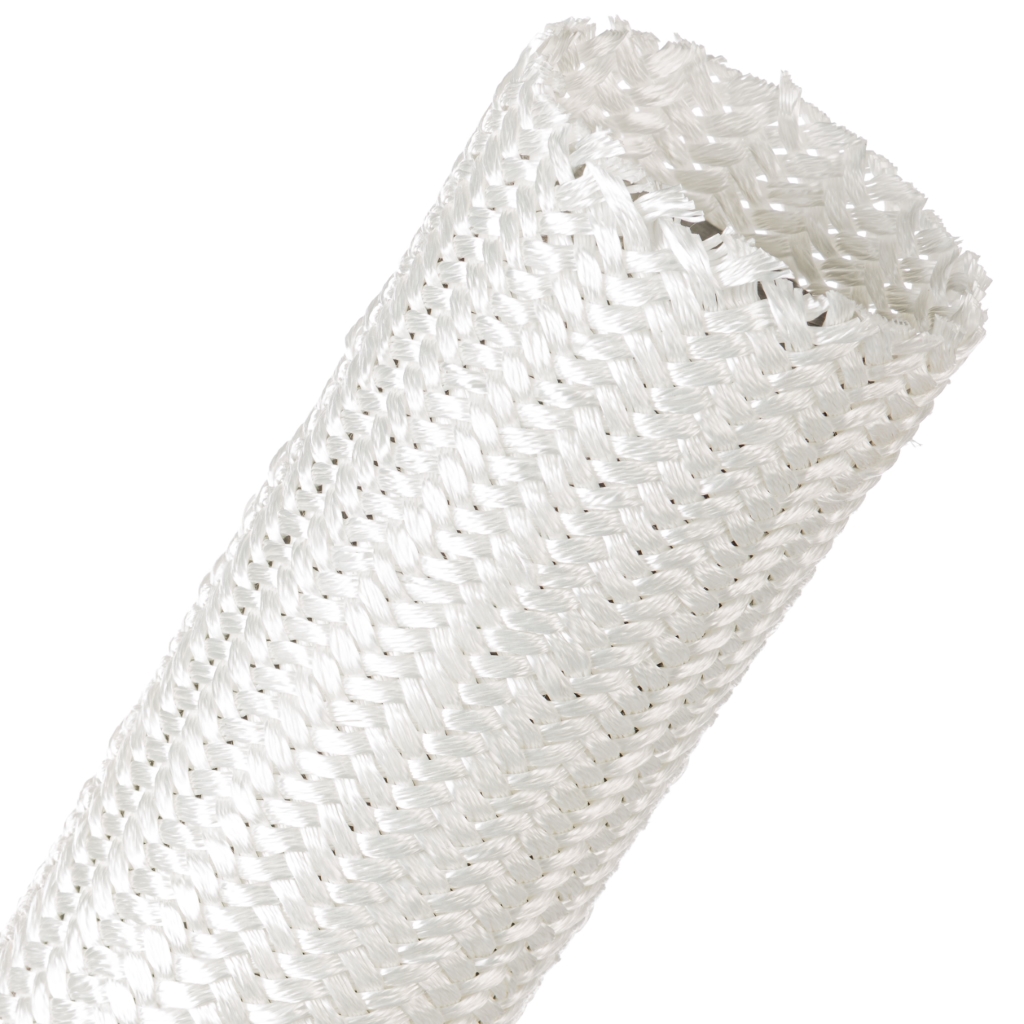
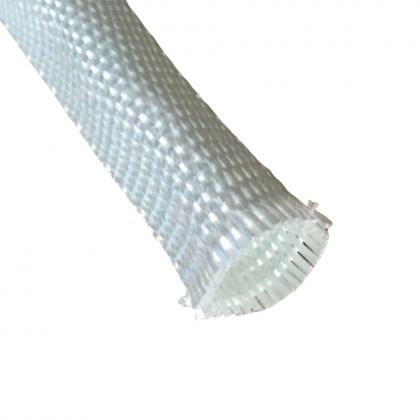
Instead of changing the cable construction, the sleeve creates additional separation between the cable and the surrounding heat source. For applications requiring a flexible tubular construction, braided silica fiber sleeving can follow cable routing while maintaining continuous coverage around the protected bundle.
BSTFLEX manufactures silica sleeve products for high-temperature protection of cables, wires, hydraulic hoses, pipes and other heat-sensitive components.
Why Cable Insulation Can Be the Weak Point
The copper or aluminum conductor inside a cable can remain electrically functional at temperatures that would seriously affect the surrounding insulation system.
Depending on cable construction, excessive heat can cause the jacket or insulation to:
- soften
- harden
- become brittle
- lose flexibility
- crack during repeated bending
- age faster than expected
The result may not be an immediate electrical failure.
In many installations, thermal aging develops gradually. The cable continues operating while its insulation becomes progressively less capable of handling vibration, bending, contamination and mechanical stress.
Adding a high temperature cable sleeve can reduce the external thermal load and help keep the cable within its intended operating environment.
What a Silica Cable Sleeve Actually Protects
A silica sleeve is an external thermal barrier. It should not be confused with the primary insulation built into an electrical cable.
The cable may already contain several layers:
- conductor
- primary insulation
- shield or screen
- filler
- inner jacket
- outer jacket
The silica sleeve surrounds the finished cable or cable bundle.
Its purpose is to reduce the heat transferred from the surrounding environment to those internal layers.
This distinction is important when specifying a silica wire sleeve. Thermal protection and electrical insulation are two different engineering requirements.
Thermal Protection Is Not the Same as Electrical Insulation
A silica fiber sleeve can be selected because of its resistance to high temperature. That does not automatically mean the finished sleeve has a defined dielectric strength or electrical insulation rating.
For an electrical application, the specification should therefore separate:
| Requirement | What It Means |
|---|---|
| Thermal protection | Reduces heat reaching the cable |
| Electrical insulation | Provides a specified electrical barrier |
| Mechanical protection | Resists abrasion, crushing or cutting |
| Environmental protection | Addresses oil, chemicals, moisture or contamination |
If the application requires a particular electrical performance, that requirement must be evaluated separately from the temperature capability of the silica textile.
Where High Temperature Cable Sleeving Is Used
High-temperature wiring is common wherever electrical systems have to operate close to a heat source.
Typical locations include:
- engine compartments
- turbocharger areas
- exhaust manifolds
- industrial furnaces
- heat-treatment equipment
- steel-processing machinery
- generator systems
- casting equipment
- industrial ovens
- process-heated machinery
In these installations, the cable may be fully functional from an electrical standpoint while its surrounding insulation is exposed to excessive external heat.
Silica Sleeve for Automotive Wiring
Automotive wiring is frequently installed in compact engine compartments where space is limited and heat sources are concentrated.
Potential exposure points include:
- exhaust manifolds
- turbochargers
- downpipes
- catalytic converters
- diesel after-treatment systems
- engine blocks
- hot fluid lines
A heat resistant wire sleeve can be installed around individual wires, small bundles or larger harness sections depending on the available space and required protection.
The sleeve should follow the wiring route without interfering with connectors, clamps or moving engine components.
Protecting Wiring Near Exhaust Components
Exhaust heat creates a particularly difficult environment because the cable may receive substantial radiant heat without making physical contact with the exhaust pipe.
For example, an engine harness may run alongside an exhaust component with only a narrow air gap between them.
Increasing the distance between the harness and exhaust should normally be considered first.
When routing cannot be changed, a cable heat protection sleeve adds another thermal barrier around the harness.
The effectiveness of the protection depends on the complete installation rather than the sleeve temperature rating alone.
Radiant Heat Can Travel Across an Air Gap
Direct contact is not required for a cable to experience high temperatures.
Hot metal surfaces radiate energy toward nearby objects. The amount of heat reaching the cable depends on factors such as:
- temperature of the hot surface
- distance between the components
- exposed surface area
- relative orientation
- air movement
- duration of exposure
This is why a cable that appears to have reasonable physical clearance can still experience excessive temperatures during continuous operation.
Choosing the Right Diameter for a Silica Sleeve for Cable
Cable sleeve selection starts with the actual outside diameter of the cable or cable bundle.
Nominal cable conductor size is not sufficient.
A cable identified by conductor cross-section can have a considerably different finished outside diameter depending on insulation, shielding and jacket construction.
| Measurement | Why It Matters |
|---|---|
| Single cable OD | Determines the basic sleeve size |
| Bundle OD | Controls sleeve size for multiple cables |
| Connector OD | Important if the sleeve must pass over the connector |
| Branch OD | Important for harnesses with multiple branches |
| Available clearance | Limits finished sleeve diameter |
Single Cable or Cable Bundle?
A silica fiber sleeve for cable can be installed around one cable or several cables grouped together.
For a single cable, the sleeve diameter can usually be selected relatively close to the cable outside diameter.
For a bundle, the calculation changes because the cables do not form a perfect circular cross-section.
Several small cables may create air spaces between one another. A sleeve selected solely from the mathematical sum of cable diameters can therefore be impractical.
The most reliable approach is to measure the actual assembled bundle at its largest point.
Do Not Size the Sleeve Only From the Connector
If the sleeve is installed before the connector is fitted, the connector may have no influence on the sleeve diameter.
If the sleeve must be installed after the cable assembly is completed, the connector can become the largest dimension.
This changes the installation requirement completely.
Before selecting a high temperature cable sleeve, determine whether the production process is:
- cable first, sleeve second, connector last
- connector first, sleeve installed afterward
- sleeve installed as the harness is assembled
- retrofit installation on an existing harness
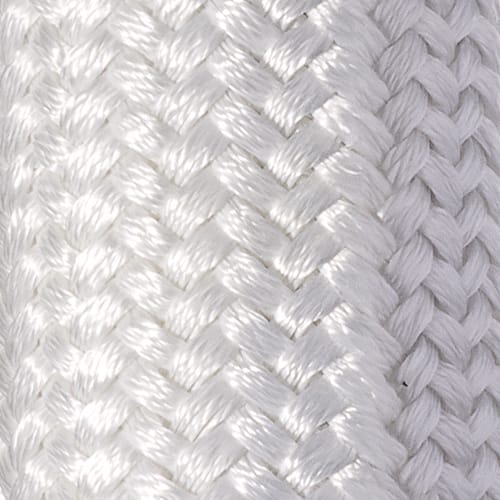
Connector Size Can Determine the Sleeve Specification
Consider a sensor cable with a 6 mm cable diameter and a 15 mm connector.
If the silica sleeve is installed before the connector, a relatively compact sleeve can be used.
If the sleeve has to be pulled over the completed connector, the sleeve must accommodate the 15 mm dimension.
This is why providing only the cable diameter during an RFQ can result in the wrong sleeve selection.
Wire Harnesses Are More Difficult Than Single Cables
Large wire harnesses introduce several additional design variables.
A harness may contain:
- different wire sizes
- power conductors
- signal wires
- shielded cables
- connectors
- branch points
- clips and retainers
The finished harness may also change shape along its route.
A single straight sleeve section is therefore not always the best solution.
How to Protect a Harness With Multiple Branches
A tubular sleeve works best when the protected bundle maintains a relatively consistent diameter.
At a branch point, several approaches are possible:
- use separate sleeve sections
- terminate the main sleeve before the branch
- use different sleeve diameters
- install sleeves during harness assembly
- use additional protection at individual branch legs
The correct arrangement depends on how the harness is manufactured and serviced.
For OEM programs, a harness drawing is often more useful than a single overall diameter measurement.
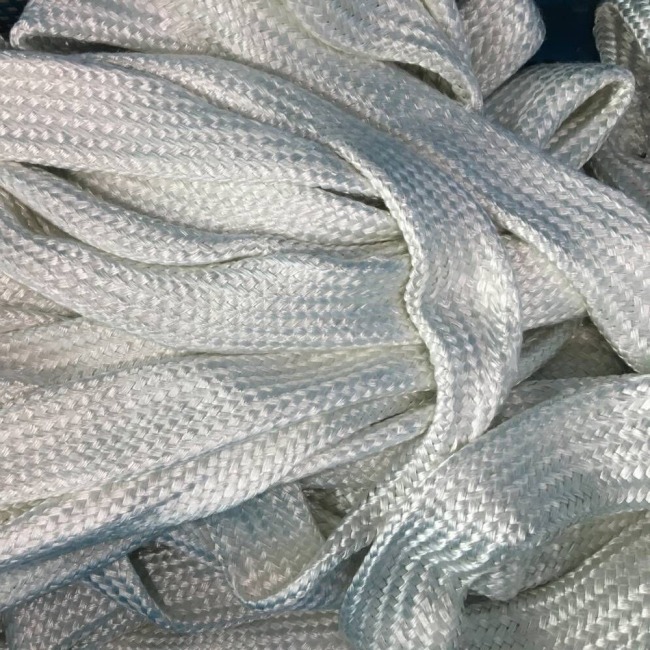
Flexible Braided Construction for Cable Routing
A rigid heat shield can protect a cable from one direction, but cable routing is rarely perfectly straight.
Wiring may need to turn around brackets, cross moving assemblies or pass through restricted engine compartments.
A braided silica sleeve for cable follows these routing changes without requiring a series of rigid shield sections.
This is particularly useful around:
- engine harnesses
- sensor leads
- thermocouple wiring
- generator cables
- industrial control cables
- furnace instrumentation
Silica Sleeve for Thermocouple and Sensor Wiring
Thermocouple leads and sensor cables are often routed close to the equipment they monitor.
That can place the cable directly in a high-temperature zone.
The challenge is particularly noticeable in furnaces and thermal-processing machinery where the sensor may be installed close to a heated chamber while the cable must continue through a cooler section of the machine.
A silica sleeve can provide localized thermal protection over the section exposed to the highest temperature.
Furnace Instrumentation Cable Protection
Industrial furnaces can contain numerous electrical and instrumentation connections.
These may include:
- thermocouples
- temperature sensors
- limit switches
- actuator wiring
- control cables
- monitoring equipment
Not all of the cable needs to operate at the same temperature.
Often only the section crossing the furnace exterior or near a hot opening requires additional protection.
Localized sleeving can therefore be a more practical solution than replacing or insulating the entire cable run.
Generator and Power Equipment Cable Protection
Generators combine electrical equipment with combustion and exhaust systems.
Wiring around the engine compartment may be exposed to heat from exhaust components, turbochargers and other hot surfaces.
A high-temperature cable sleeve can be used around selected cable sections where rerouting is not practical.
The sleeve should be installed without obstructing cable movement, connectors, grounding points or service access.
Silica Sleeve for Industrial Control Wiring
Industrial machines often contain control wiring close to motors, heaters, furnaces and process equipment.
Failure of a relatively inexpensive wire can stop an entire production line.
Thermal protection can therefore be part of a broader reliability strategy.
The sleeve does not eliminate the heat source. It creates another layer between that heat source and the cable insulation.
How Cable Movement Affects Sleeve Selection
Not every cable installation is stationary.
Some cables move continuously with:
- robotic arms
- machine slides
- actuators
- engine vibration
- articulated equipment
For moving applications, sleeve flexibility and cable bend radius become important.
The protection sleeve should not become a mechanical constraint that forces the cable into a tighter bend than its design permits.
Vibration Is Different From Continuous Flexing
An engine harness may experience thousands of vibration cycles without undergoing the large bending movement seen in a robotic cable carrier.
These applications should not automatically use the same sleeve construction.
For vibration-heavy installations, pay particular attention to:
- sleeve movement relative to the cable
- termination security
- abrasion at mounting points
- repeated contact with nearby structures
Where the Sleeve Should Start and End
Thermal protection should cover the actual heat-exposed section rather than simply following an arbitrary cable length.
However, the sleeve should extend beyond the highest heat zone sufficiently to account for the temperature gradient along the cable.
Do not terminate the sleeve directly at a sharp bracket, clamp or hot metal edge unless the termination has been designed for that location.
Silica Sleeve and Cable Abrasion
Silica fiber is selected primarily for high-temperature protection.
If the cable simultaneously experiences severe rubbing against metal edges, the thermal requirement and mechanical requirement should be considered separately.
Possible solutions include:
- changing the cable route
- adding a mechanical support
- using a more abrasion-resistant outer construction
- combining thermal and mechanical protection
A high-temperature rating alone should never be interpreted as an unlimited abrasion rating.
Oil, Chemicals and Moisture
Industrial cable environments can contain hydraulic oil, lubricants, cleaning chemicals, water or other contaminants.
A plain silica textile sleeve should therefore be evaluated against the actual environment rather than selected only from its temperature capability.
Where environmental sealing or liquid resistance is required, a coated or combined protection construction may be more appropriate.
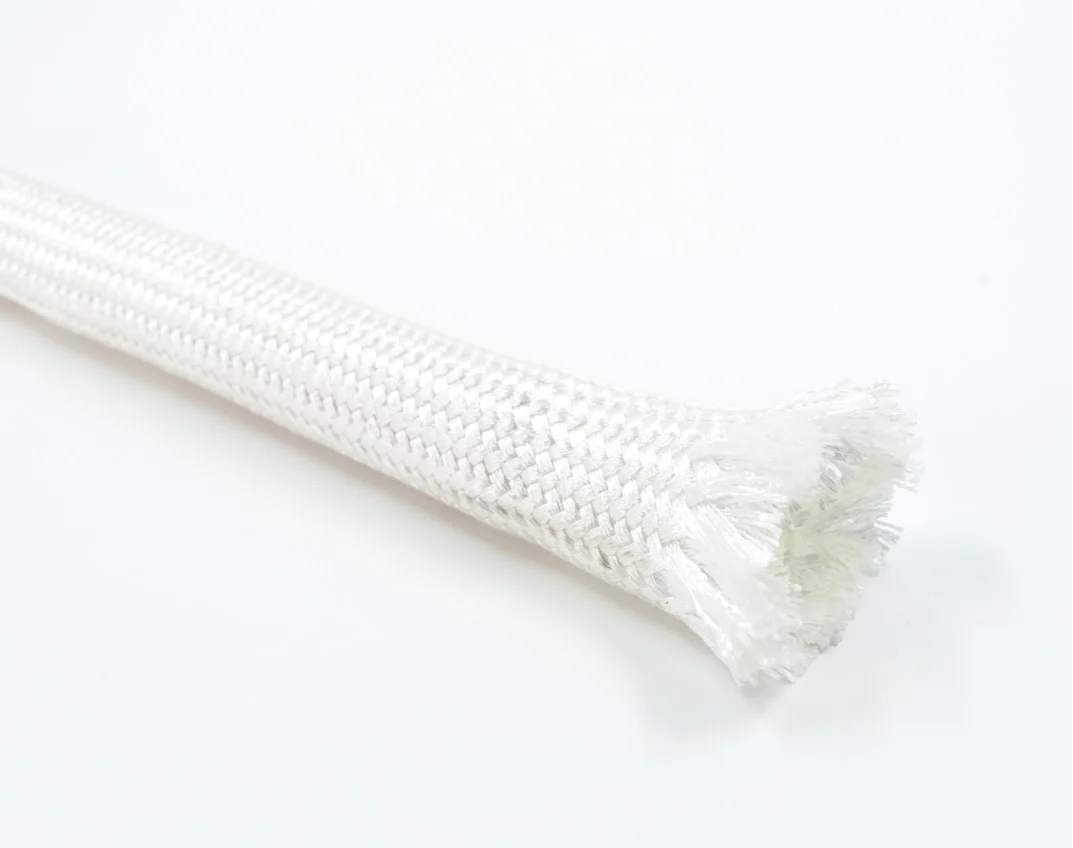
Silica Sleeve vs Fiberglass Cable Sleeve
| Selection Factor | Silica Sleeve | Fiberglass Sleeve |
|---|---|---|
| High-temperature applications | Strong candidate for severe thermal exposure | Suitable for many moderate and high-temperature applications |
| Fiber composition | Silica-rich fiber | Glass fiber |
| Flexibility | Available in flexible braided constructions | Available in flexible braided and woven constructions |
| Typical reason for upgrading | Higher temperature capability or greater thermal margin | Cost-effective thermal protection for many applications |
| Cable protection | Suitable for severe heat zones | Suitable for a broad range of industrial cable applications |
The correct material depends on actual cable temperature, heat-source conditions, required service life and installation constraints.
How to Select a Silica Sleeve for Wire
For individual wires and smaller harnesses, the selection process should begin with the finished outside diameter rather than the conductor size printed on the wire specification.
Check:
- wire outside diameter
- number of wires
- assembled bundle diameter
- connector dimensions
- branch locations
- minimum bend radius
- maximum environmental temperature
- heat-source temperature
- required protected length
- installation sequence
What Temperature Should Be Used for Cable Sleeve Selection?
There are several temperatures in a high-temperature cable application.
| Temperature | Why It Matters |
|---|---|
| Heat-source temperature | Defines the thermal source |
| Air temperature | Defines the surrounding environment |
| Outer sleeve temperature | Shows the heat load at the protection layer |
| Cable jacket temperature | Important for cable life |
| Maximum cable operating temperature | Defines the actual protection target |
A sleeve rated for an extreme peak temperature does not automatically mean that a cable underneath it will remain at a safe temperature under every installation condition.
Example: Cable Near an Exhaust Manifold
Consider an engine harness with an outside bundle diameter of 22 mm.
The harness passes approximately 40 mm from an exhaust component and operates continuously during engine operation.
A reasonable engineering evaluation would consider:
- actual exhaust surface temperature
- distance from the harness
- duration of operation
- maximum permissible harness temperature
- available clearance around the harness
- harness movement and vibration
- connector dimensions
The sleeve should then be selected based on the complete thermal environment rather than simply matching the sleeve temperature rating to the exhaust temperature.
Braided Silica Sleeve for Cable Protection
BSTFLEX supplies a High Temperature Resistant Braided Silica Sleeve for high-temperature protection of cables, wires, hoses and other components.
The tubular braided construction is suited to installations where the protected cable needs to bend, route around machinery and maintain a flexible thermal barrier.
The current product specification lists maximum temperature resistance up to 1,200°C for this construction.
Actual cable protection performance depends on the heat source, distance, exposure time, sleeve dimensions and the temperature limit of the cable underneath.
When a Texturized Silica Sleeve Makes More Sense
A compact braid is not the only way to use silica fiber.
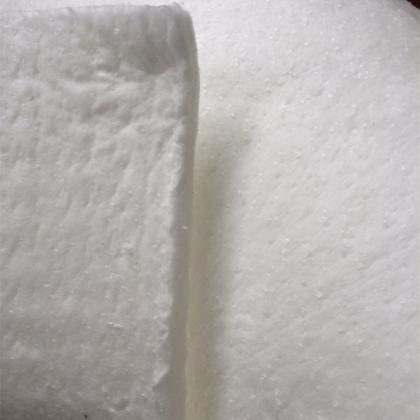
Where the cable is stationary and the available space allows greater insulation volume, a texturized construction may be preferable.
BSTFLEX also offers a Heat Insulation Texturized Silica Sleeve for applications requiring a different insulation structure.
The choice between braided and texturized construction should be made according to cable movement, required insulation, installation clearance and thermal exposure.
Cable Sleeve Specification for an RFQ
A useful RFQ should contain more than the words "high temperature cable sleeve."
| RFQ Information | Example |
|---|---|
| Application | Engine wiring harness |
| Cable or bundle OD | 22 mm |
| Connector maximum OD | 35 mm |
| Heat source | Exhaust manifold |
| Normal heat-source temperature | 500°C |
| Peak temperature | 650°C |
| Distance from heat source | 40 mm |
| Maximum cable temperature | 150°C |
| Movement | Engine vibration |
| Required sleeve length | 800 mm |
| Quantity | Production assembly |
This information allows the manufacturer to evaluate the sleeve construction and dimensions much more accurately.
Common Cable Sleeving Mistakes
Using Conductor Size Instead of Cable OD
The sleeve surrounds the finished cable, not the bare conductor.
Ignoring Connectors
A connector can be several times larger than the cable itself.
Protecting Only the Hottest Point
The cable should remain within its acceptable temperature range throughout the protected transition zone.
Assuming the Sleeve Provides Electrical Insulation
Thermal protection and dielectric performance must be specified separately.
Making the Sleeve Too Tight
An excessively tight installation can interfere with movement and make maintenance difficult.
Making the Sleeve Too Loose
An oversized sleeve can increase bulk and may not provide the intended coverage around the cable.
When Custom Silica Cable Sleeving Is Worth Considering
Standard sleeve diameters are practical for many cable installations.
Custom development becomes more useful when the application includes:
- non-standard bundle diameters
- large connectors
- multiple harness branches
- restricted installation space
- specific cut lengths
- high-volume OEM production
- special packaging requirements
For production programs, the sleeve should be evaluated as part of the complete harness rather than as an isolated textile component.
Frequently Asked Questions
Can silica sleeve be used to protect electrical cables?
Yes. Silica sleeve can be installed around cables, wires, harnesses, sensor leads and other electrical components that require external protection from high ambient or radiant heat.
What is a silica cable sleeve used for?
A silica cable sleeve provides a flexible thermal barrier around a cable or cable bundle, helping reduce external heat reaching the cable insulation.
Can silica sleeve be used around automotive wiring?
Yes. It can be used around selected sections of automotive wiring exposed to heat from exhaust components, turbochargers, engines and other hot equipment.
How do I choose the diameter of a silica wire sleeve?
Measure the actual outside diameter of the wire or assembled wire bundle. If the sleeve must pass over connectors, include the largest connector dimension in the installation calculation.
Can braided silica sleeve bend with a cable?
Yes. Braided construction is flexible and can follow curved cable routing. The final selection should still account for the cable's bend radius and the amount of movement during operation.
Can silica sleeve protect cable from exhaust heat?
Yes. Silica sleeving can be used as a thermal barrier around cables positioned near exhaust manifolds, exhaust pipes and other hot engine components.
Can silica sleeve be used for furnace cables?
Yes. High-temperature silica sleeving can be used around furnace instrumentation, thermocouple leads, control wiring and other cables exposed to severe thermal environments.
Does silica sleeve replace the cable's insulation?
No. The sleeve is an external protective layer. The electrical cable must retain insulation suitable for its voltage, temperature and environmental requirements.
Can BSTFLEX supply custom silica cable sleeves?
Yes. Custom diameters, lengths, construction details and packaging can be evaluated for OEM and industrial cable protection applications.
Request a Silica Sleeve for Your Cable or Wire Application
When requesting a quotation, provide the cable or harness outside diameter, connector dimensions, heat-source temperature, distance from the heat source, maximum allowable cable temperature, movement condition and required sleeve length.
For complex harnesses, a drawing or photograph showing the routing and branch locations can make sleeve selection much more accurate.


 IPv6 network supported