96% Silica Fabric vs 70% Silica Fabric: What Is the Difference?
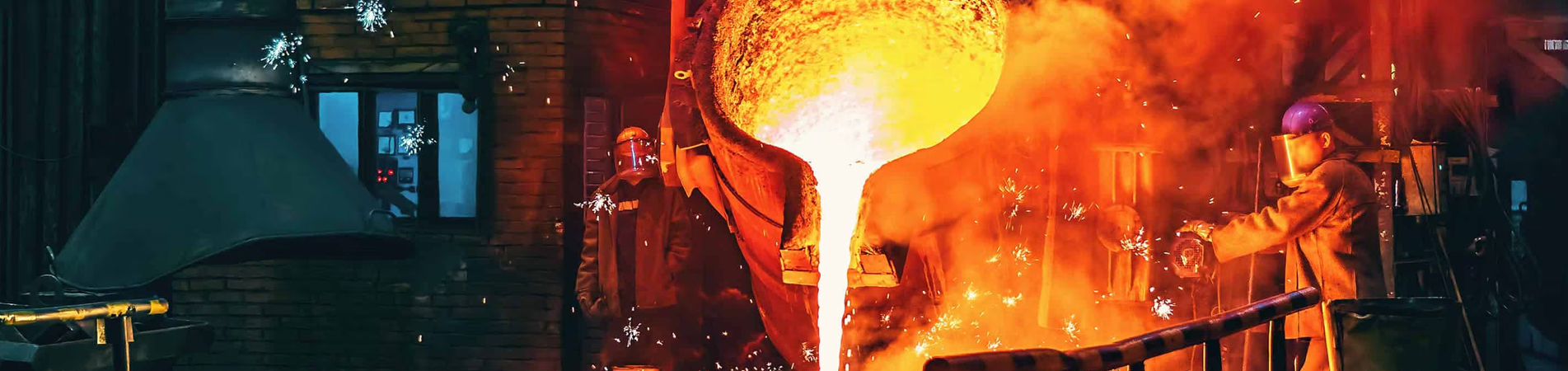
Silica fabric is a high-temperature textile used in welding protection, furnace insulation, heat shields, exhaust wrapping and industrial fire protection systems. The two most common grades are 96% silica fabric and 70% silica fabric, which differ mainly in silica content, temperature resistance and application performance.
Understanding the difference between 96% silica fabric vs 70% silica fabric is important for selecting the right material for industrial insulation, welding blankets, removable covers and thermal barrier systems.
What Is 96% Silica Fabric?
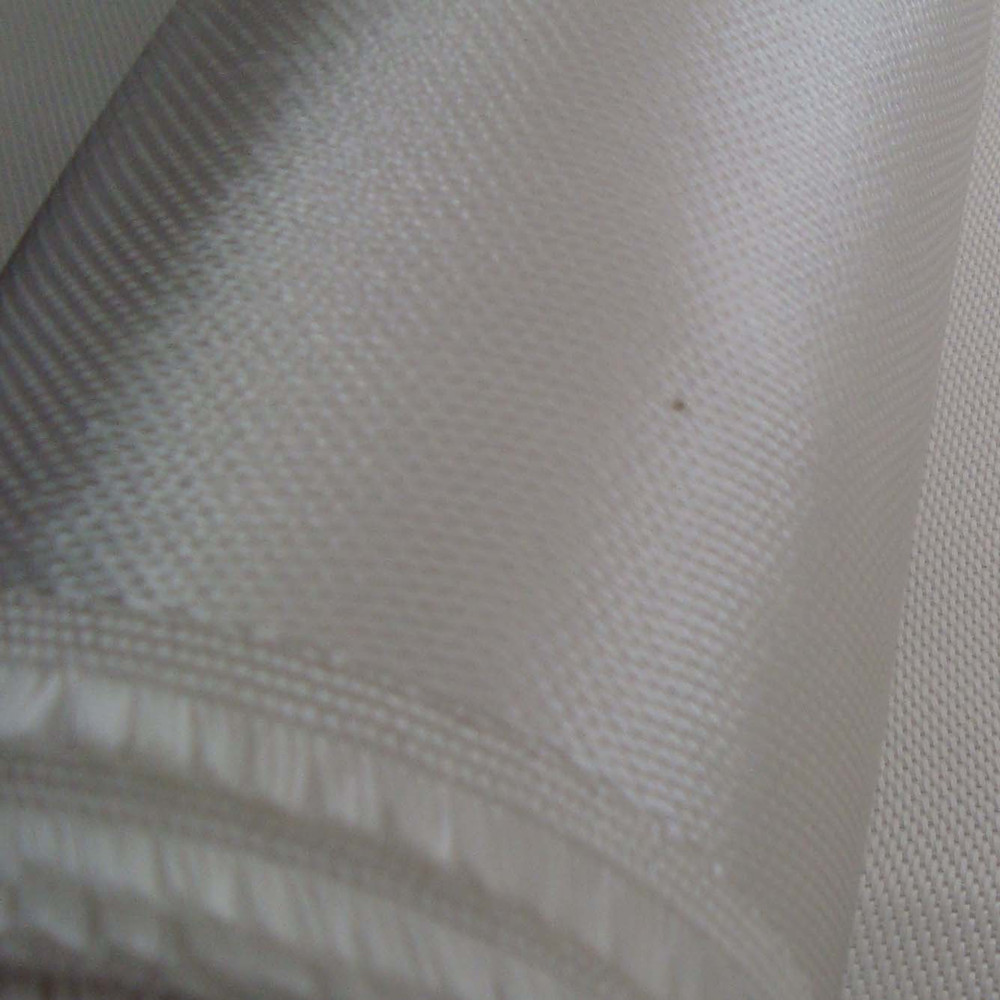
96% silica fabric is a high-performance woven textile made from high-purity silica fiber. It contains approximately 96% SiO₂ content, which provides excellent thermal stability and resistance to extreme heat environments.
This type of fabric is widely used in applications that require long-term exposure to high temperatures, molten splash protection and flame resistance.
Key Features of 96% Silica Fabric
- High silica content (~96%)
- Excellent high-temperature resistance
- Low thermal shrinkage under heat
- Strong resistance to flame and molten metal splash
- Suitable for heavy-duty industrial environments
What Is 70% Silica Fabric?
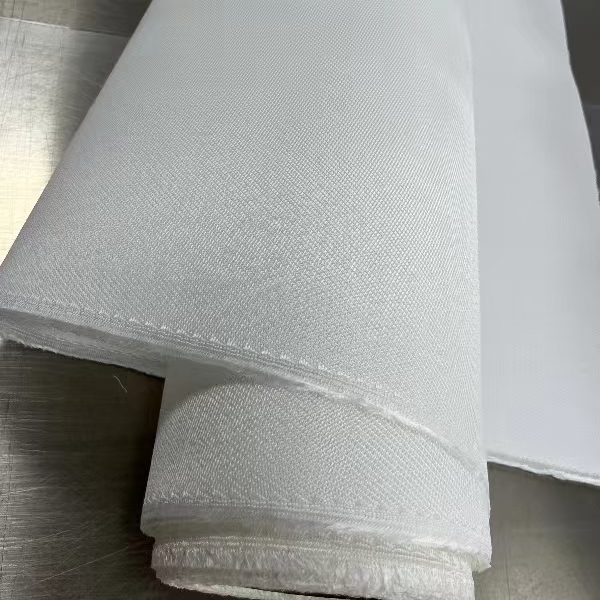
70% silica fabric is a medium-grade silica textile designed for applications that require good heat resistance but do not demand extreme temperature performance. It offers a balance between thermal protection and cost efficiency.
It is commonly used in general industrial insulation, welding protection and heat shielding applications where exposure is moderate or intermittent.
Key Features of 70% Silica Fabric
- Medium silica content (~70%)
- Good heat resistance for general use
- More flexible cost structure
- Suitable for non-extreme environments
- Easy to fabricate and process
96% Silica Fabric vs 70% Silica Fabric: Direct Comparison
| Property | 96% Silica Fabric | 70% Silica Fabric |
|---|---|---|
| Silica Content | ~96% | ~70% |
| Temperature Resistance | Higher (suitable for extreme heat) | Moderate to high heat applications |
| Thermal Stability | Excellent | Good |
| Molten Splash Resistance | Very strong | Moderate |
| Cost Level | Higher | More economical |
| Typical Use | Welding blankets, furnace curtains, fire barriers | General insulation, heat shielding covers |
Application Differences
Where 96% Silica Fabric Is Used
- Heavy welding and cutting environments
- Furnace insulation and high-temperature curtains
- Molten metal splash protection
- Fire barriers in industrial facilities
- High-performance thermal insulation systems
Where 70% Silica Fabric Is Used
- General welding protection blankets
- Industrial thermal covers
- Pipe and equipment insulation
- Heat shielding for moderate temperatures
- Cost-sensitive OEM insulation products
Which One Should You Choose?
Choose 96% silica fabric when your application involves extreme heat, continuous flame exposure or molten splash risk. It is the preferred option for heavy-duty industrial protection.
Choose 70% silica fabric when the environment is moderate, cost is a key factor, and full extreme-temperature performance is not required.
BSTFLEX Silica Fabric Manufacturing Capability
BSTFLEX supplies both 96% silica fabric and 70% silica fabric with multiple surface treatments and custom engineering options. Available constructions include aluminum foil laminated silica fabric, silicone coated silica fabric, vermiculite coated silica fabric and adhesive backed silica fabric.
We support OEM production for welding blankets, insulation jackets, heat shields, expansion joints and custom industrial thermal protection products.
Request Silica Fiberglass Fabric Quote
Send your application details for 96% silica fabric or 70% silica fabric, including temperature requirement, thickness, coating type and usage environment.
Get Quote


 IPv6 network supported