Is Silica Fabric Better Than Fiberglass?
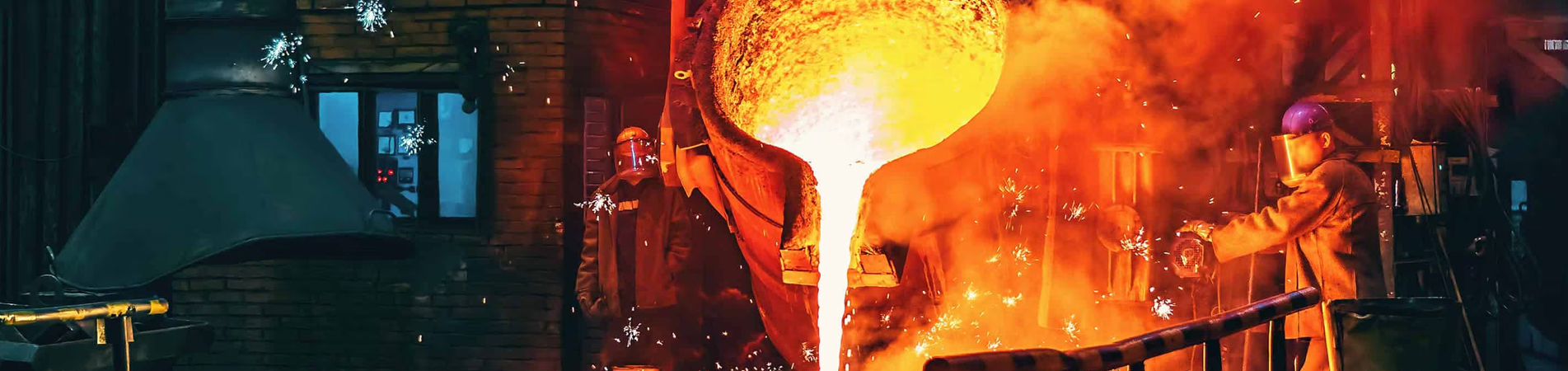
When comparing silica fabric vs fiberglass fabric, the better material depends on the working temperature, application environment and required protection level.
Both materials are widely used for industrial heat protection, welding blankets, insulation covers and thermal barriers. However, high silica fabric provides higher temperature resistance and better performance in extreme heat conditions, while fiberglass fabric offers a more economical solution for general thermal protection.
BSTFLEX manufactures both silica fabric and customized high-temperature fabrics for welding, insulation and industrial heat shielding applications.
What Is Silica Fabric?
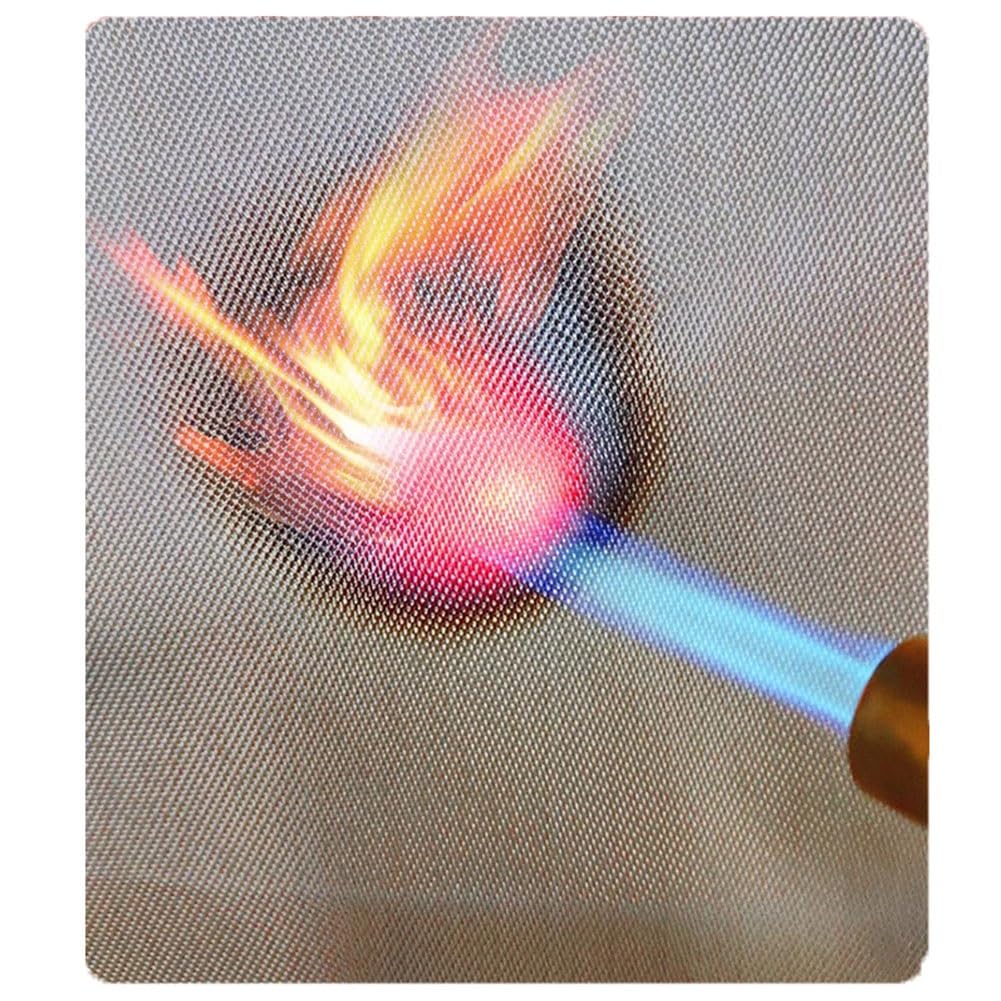
Silica fabric is a high-temperature woven textile manufactured from silica fiber yarn with a high SiO₂ content. It is designed for applications requiring excellent thermal stability, flame resistance and resistance to molten splash.
High silica fabric is commonly available in 96% silica and 70% silica grades. Higher silica content provides improved temperature resistance and better performance under severe thermal conditions.
BSTFLEX supplies different silica fabric structures including:
- 96% high silica fabric
- 70% silica fabric
- Aluminum foil laminated silica fabric
- Silicone coated silica fabric
- Vermiculite coated silica fabric
- Adhesive backed silica fabric
What Is Fiberglass Fabric?
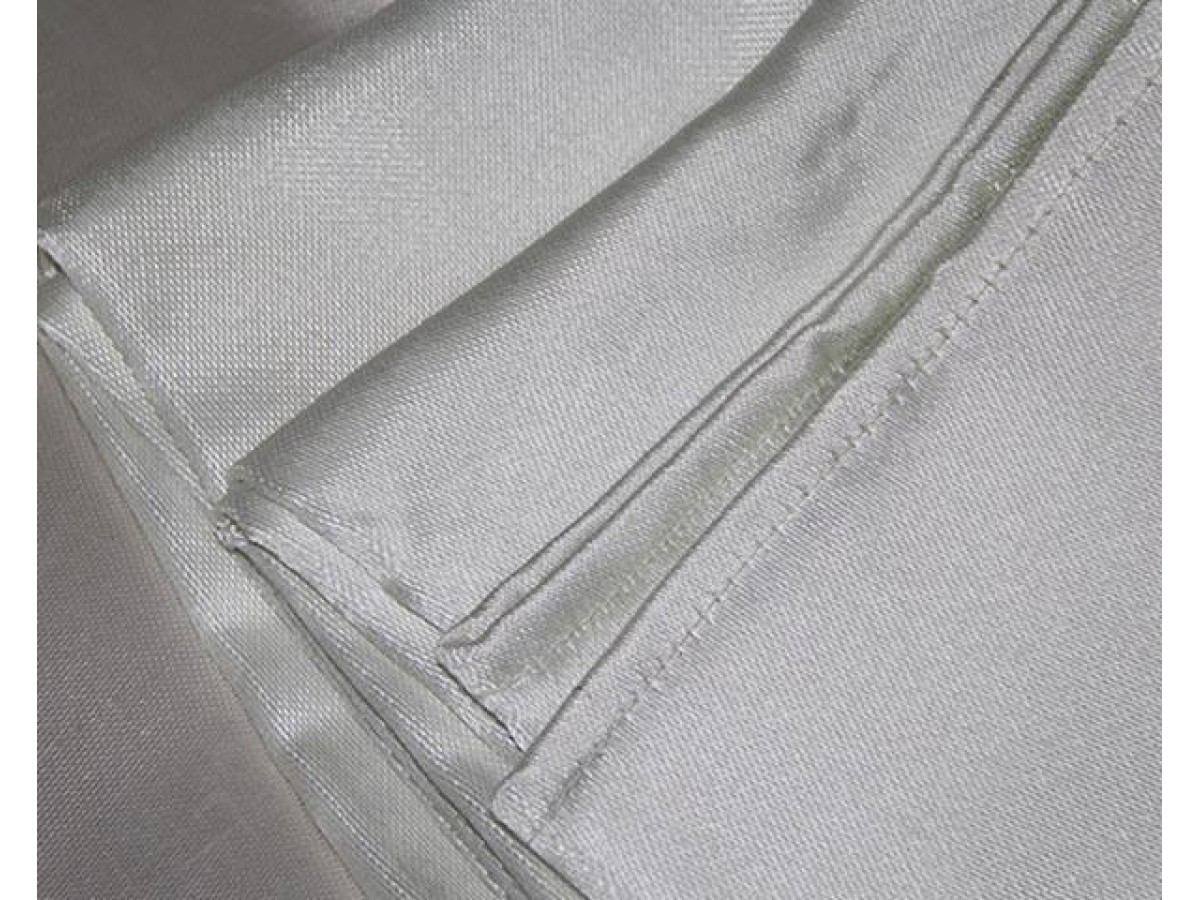
Fiberglass fabric is a woven textile made from glass fiber yarn. It is one of the most commonly used industrial insulation materials because of its good heat resistance, flexibility and competitive cost.
Fiberglass fabric is widely used in welding blankets, insulation covers, fire protection products, pipe insulation and industrial heat shielding applications where extreme temperatures are not required.
Silica Fabric vs Fiberglass Fabric Comparison
| Property | Silica Fabric | Fiberglass Fabric |
|---|---|---|
| Material | High purity silica fiber | Glass fiber |
| Silica Content | Approximately 70%–96% SiO₂ | Lower silica composition |
| Temperature Resistance | Higher temperature capability | Suitable for general heat applications |
| Thermal Stability | Excellent under extreme heat | Good under moderate heat |
| Molten Metal Splash Resistance | Excellent | Moderate |
| Flexibility | Very flexible | Flexible |
| Cost | Higher | More economical |
| Main Application | Extreme thermal protection | General industrial insulation |
Temperature Difference Between Silica Fabric and Fiberglass
The biggest difference between silica fabric and fiberglass fabric is temperature performance.
| Material | Typical Temperature Range | Recommended Application |
|---|---|---|
| Fiberglass Fabric | Approximately 550–800°C depending on grade | General insulation, welding protection |
| 70% Silica Fabric | Approximately 700–900°C | Industrial heat protection |
| 96% High Silica Fabric | Approximately 900–1000°C+ | Extreme heat, furnace, molten splash |
Where Is Silica Fabric Better Than Fiberglass?
High Temperature Welding
For heavy welding, cutting and molten metal applications, silica fabric provides better protection because it maintains strength under higher heat exposure.
Furnace and Foundry Applications
In furnace maintenance and foundry environments, high silica fabric performs better because of its higher thermal stability and resistance to extreme temperatures.
Industrial Fire Barriers
Silica fabric is preferred when the material must act as a reliable fire barrier for longer periods.
High Performance Heat Shields
Automotive, aerospace and industrial heat shielding systems often select silica fabric when reducing radiant heat transfer is critical.
Where Is Fiberglass Fabric a Better Choice?
Fiberglass fabric remains an excellent choice when the application requires good thermal protection with lower material cost.
- General welding blankets
- Industrial insulation covers
- Pipe and duct insulation
- Equipment covers
- Standard heat protection products
Silica Fabric vs Fiberglass: Which One Should You Choose?
| Application Requirement | Recommended Material |
|---|---|
| Extreme temperature exposure | 96% silica fabric |
| Heavy welding and molten splash | High silica fabric |
| General industrial insulation | Fiberglass fabric |
| Cost-sensitive projects | Fiberglass fabric |
| Long-term high temperature protection | Silica fabric |
BSTFLEX Silica Fabric Manufacturing Capability
BSTFLEX produces customized silica fabric solutions for industrial customers worldwide.
Our products include plain silica fabric, silicone coated silica fabric, aluminum foil laminated silica fabric, vermiculite coated silica fabric and adhesive backed silica fabric.
We support OEM projects requiring custom width, thickness, coating, finishing and fabricated thermal protection components.
Request Silica Fabric Recommendation
Not sure whether silica fabric or fiberglass fabric is suitable for your application? Send your working temperature, application details and product requirements. Our team can recommend the correct material solution.
Request A QuoteFAQ
Is silica fabric better than fiberglass?
Silica fabric is better for extreme heat applications because it provides higher temperature resistance and improved thermal stability. Fiberglass is better for general insulation where cost efficiency is important.
What temperature can silica fabric withstand?
Depending on silica content, high silica fabric can withstand approximately 900–1000°C or higher in short-term exposure.
Can fiberglass replace silica fabric?
Fiberglass can replace silica fabric in moderate temperature applications, but it may not provide the same performance in extreme heat environments.
Which fabric is better for welding blankets?
For general welding, fiberglass fabric is commonly used. For heavy welding, molten splash and extreme heat, high silica fabric is recommended.


 IPv6 network supported