How to Choose the Right Silica Fabric for Welding Blankets
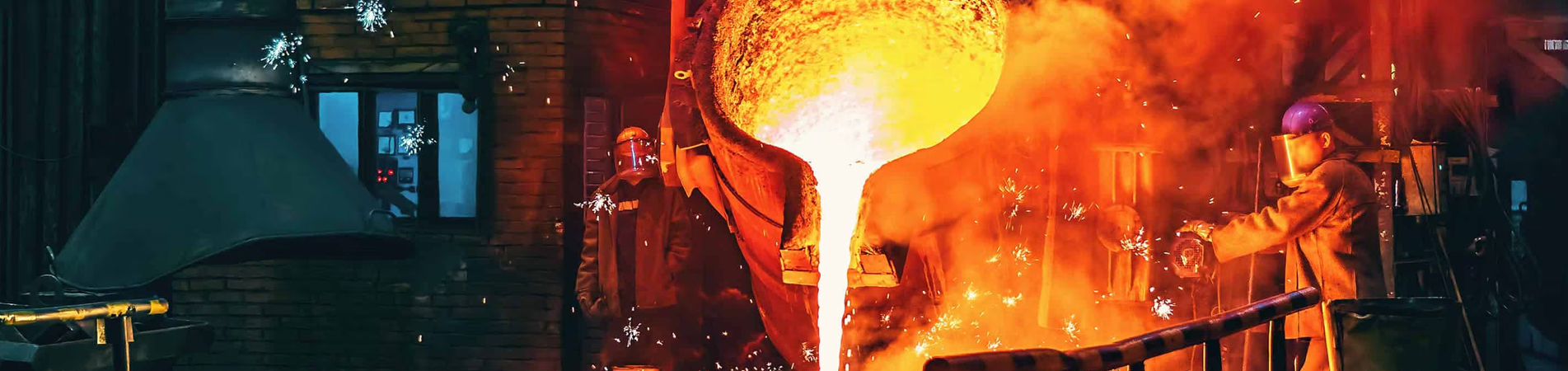
Choosing the right silica fabric for welding blankets is critical for worker safety, equipment protection and long-term product performance. Welding blankets are exposed to sparks, hot spatter, radiant heat, grinding particles and sometimes molten metal splash. If the fabric grade is too low, the blanket may shrink, become brittle, lose strength or fail earlier than expected.
BSTFLEX manufactures different grades of high silica fabric for welding blanket production, including 96% silica fabric, 70% silica fabric, silicone coated silica fabric, vermiculite coated silica fabric and aluminum foil laminated silica fabric. Each construction is designed for a different welding environment, temperature level and service condition.
For industrial buyers, distributors and OEM welding blanket manufacturers, the correct choice depends on four main factors: heat exposure, spark and spatter level, blanket handling frequency and finished blanket design. You can review available material options through the BSTFLEX silica fabric product category.
Why Silica Fabric Is Used for Welding Blankets
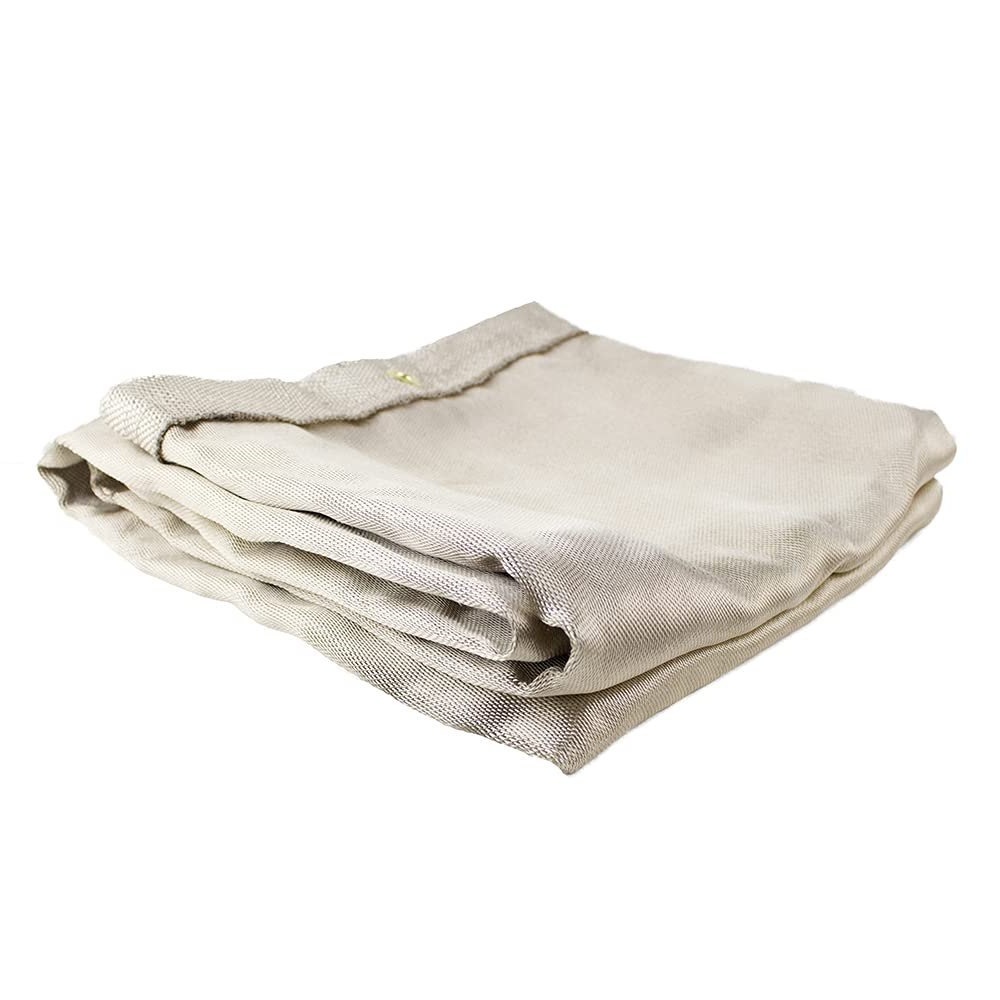
Welding blankets need to resist more than temperature alone. In real workshops, the material must handle repeated folding, dragging, hanging, contact with sparks, occasional spatter and rough use around metal parts. This is why silica fabric is widely used for higher-performance welding blankets.
Compared with standard fiberglass fabric, high silica fabric offers better thermal stability, stronger resistance to severe heat and improved performance in heavy welding environments. It is especially suitable when the blanket is used near cutting operations, high amperage welding, furnace repair, foundry work or molten splash exposure.
Main Silica Fabric Options for Welding Blankets
| Material Option | Main Feature | Best Use | Buyer Advantage |
|---|---|---|---|
| 96% High Silica Fabric | High SiO2 content with excellent thermal resistance | Heavy welding, cutting, molten splash, furnace maintenance | Best protection level for severe welding environments |
| 70% Silica Fabric | Balanced heat resistance and cost control | General industrial welding blankets and protective curtains | Good choice for cost-sensitive blanket production |
| Vermiculite Coated Silica Fabric | Mineral surface treatment for spark and flame resistance | Welding spatter protection, foundry areas, metalworking zones | Improved surface protection against sparks and hot particles |
| Silicone Coated Silica Fabric | Silicone rubber coating over silica fabric | Reusable welding blankets, covers, curtains and protective screens | Better abrasion resistance, handling durability and cleaner surface |
| Aluminum Foil Laminated Silica Fabric | Reflective aluminum foil surface bonded to silica fabric | Radiant heat barriers and equipment protection near welding zones | Improves radiant heat reflection and surface shielding |
Step 1: Identify the Welding Environment
The first step is to understand where the welding blanket will be used. A blanket for light workshop protection does not need the same fabric as a blanket used near heavy cutting or molten metal splash.
For occasional welding sparks and low spatter levels, 70% silica fabric or fiberglass fabric may be sufficient depending on the temperature requirement.
For repeated industrial welding, cutting and strong spatter exposure, 96% high silica fabric or coated silica fabric is recommended.
For molten splash, furnace maintenance and severe radiant heat, 96% silica fabric or vermiculite coated silica fabric provides stronger protection.
For blankets that are dragged, folded and reused daily, silicone coated silica fabric improves surface durability and service life.
For vertical hanging curtains, fabric strength, reinforced edges and grommet design should be considered together with heat resistance.
For covering machines, cables, hoses or painted surfaces, the blanket should combine heat resistance with flexibility and clean handling.
Step 2: Choose the Correct Silica Content
Silica content is one of the most important indicators of welding blanket performance. Higher silica content generally provides better high-temperature resistance and better performance under severe heat exposure.
| Requirement | Recommended Fabric | Reason |
|---|---|---|
| General welding protection | 70% silica fabric | Provides practical heat resistance with better cost control |
| Heavy welding and cutting | 96% high silica fabric | Better thermal stability under severe heat and spatter exposure |
| Molten splash risk | 96% silica or vermiculite coated silica fabric | Improves resistance to sparks, slag and high-temperature particles |
| Reusable welding blanket | Silicone coated silica fabric | Improves abrasion resistance and handling durability |
| Radiant heat shielding | Aluminum foil laminated silica fabric | Reflects radiant heat away from protected surfaces |
Step 3: Decide Whether the Fabric Needs a Coating
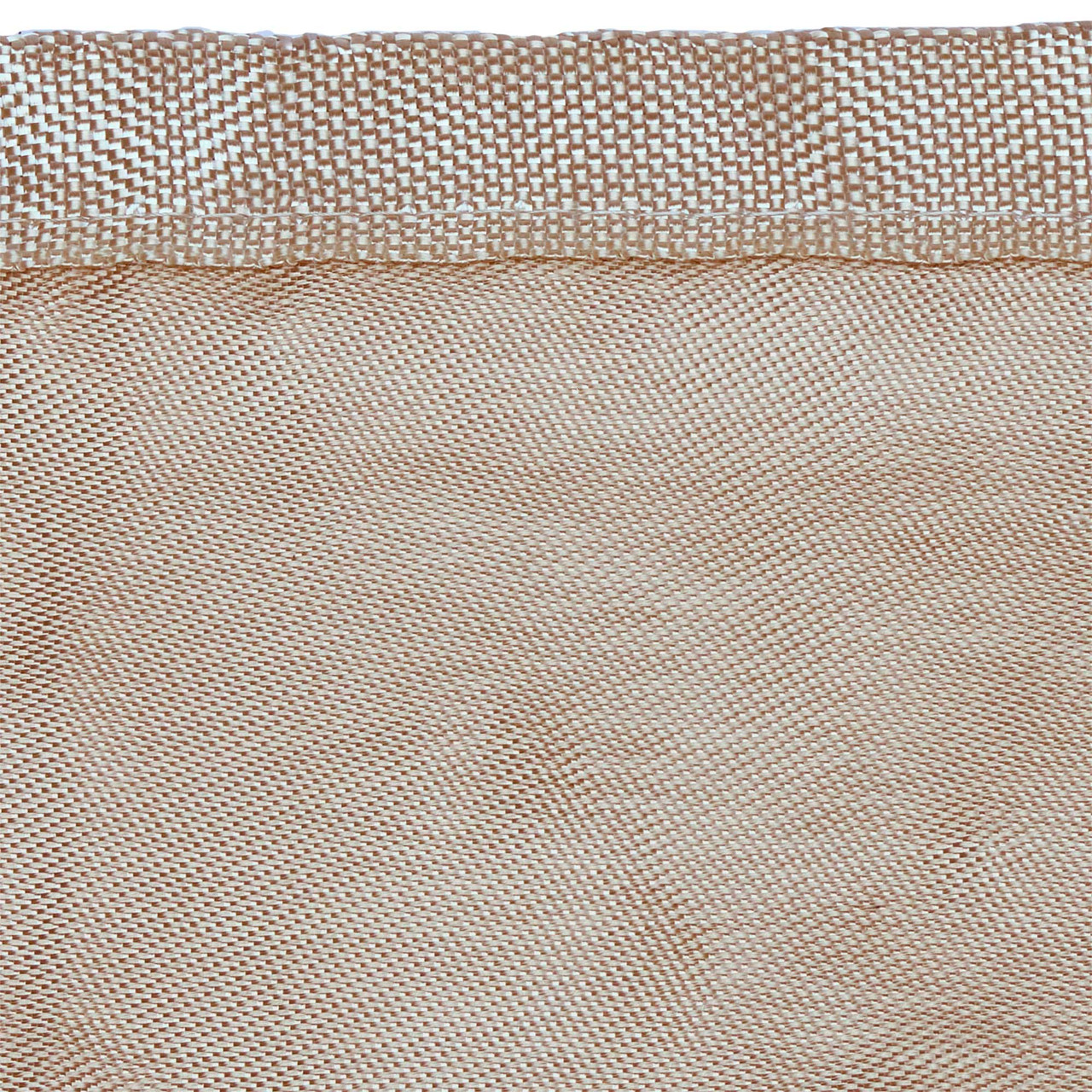
Plain silica fabric provides excellent high-temperature resistance, but coated silica fabric may perform better when the blanket needs stronger surface durability, cleaner handling or improved resistance to sparks and abrasion.
Choose Plain Silica Fabric When:
- The blanket is mainly used as a high-temperature insulation layer.
- The working environment involves heat exposure but limited dragging or abrasion.
- The buyer needs a flexible and sewable base fabric for blanket fabrication.
- The application requires direct silica fabric performance without surface coating.
Choose Silicone Coated Silica Fabric When:
- The blanket will be reused frequently in industrial workshops.
- The fabric surface may contact rough metal parts, floors or equipment.
- Cleaner handling and reduced fiber release are preferred.
- The finished product requires better oil, moisture and abrasion resistance.
Choose Vermiculite Coated Silica Fabric When:
- The welding area has heavy sparks, spatter or hot particles.
- The blanket is used near foundry, cutting or metal processing operations.
- The customer requires better surface resistance to flame and molten splash.
- The blanket is intended for severe hot work protection.
Step 4: Consider Finished Blanket Construction
The fabric itself is only one part of the welding blanket. Finished construction has a direct effect on service life, installation and safety performance. Poor sewing, weak edges or low-grade grommets can shorten the working life even when the base fabric is correct.
| Finished Option | Purpose | Recommended For |
|---|---|---|
| Reinforced Edges | Reduces fraying and improves long-term handling strength | Reusable welding blankets and curtains |
| Metal Grommets | Allows the blanket to be hung as a curtain or fixed in position | Welding screens and vertical protection areas |
| High-Temperature Sewing Thread | Improves seam durability under heat exposure | Heavy-duty welding blanket production |
| Custom Size | Matches workbench, machine, welding zone or distributor stock size | OEM and distributor orders |
| Roll Form Supply | Allows local cutting and fabrication by converters | Fabricators and blanket manufacturers |
| Private Label Packaging | Supports branded supply programs | Distributors, wholesalers and OEM customers |
Step 5: Match Fabric Grade to Application Risk
For welding blanket selection, the safest method is to match the fabric grade to the actual application risk. Do not choose material only by price or thickness. A thicker low-grade fabric may still perform worse than a thinner high silica fabric in severe welding conditions.
| Application Risk | Typical Condition | Suggested Silica Fabric |
|---|---|---|
| Low Risk | Light sparks, occasional welding, temporary coverage | 70% silica fabric or economical coated fabric |
| Medium Risk | Repeated welding, grinding particles, workshop use | 70% silica fabric, silicone coated silica fabric or vermiculite coated silica fabric |
| High Risk | Heavy spatter, cutting, high radiant heat, severe hot work | 96% high silica fabric or vermiculite coated high silica fabric |
| Extreme Risk | Furnace repair, foundry work, molten splash exposure | 96% silica fabric with suitable coating or custom multilayer construction |
Common Mistakes When Buying Silica Fabric for Welding Blankets
Mistake 1: Only Comparing Price
A lower-cost fabric may be acceptable for light welding, but it can fail too early in heavy-duty conditions. For industrial buyers, total service life is often more important than unit price.
Mistake 2: Ignoring Spatter and Abrasion
Heat resistance alone is not enough. Welding blankets are often damaged by sharp edges, dragging, folding and contact with hot particles. Coated silica fabric can improve durability in these conditions.
Mistake 3: Using the Same Fabric for Every Market
Distributors may need different grades for different customer groups. General workshops, shipyards, automotive repair, foundries and furnace maintenance customers should not always use the same blanket material.
Recommended Silica Fabric Selection Guide
| Customer Type | Recommended Product | Why It Works |
|---|---|---|
| Safety product distributor | 70% silica fabric and silicone coated silica fabric | Covers general welding blanket demand with reusable product options |
| Heavy industry buyer | 96% high silica fabric | Better for severe welding, cutting and furnace-related work |
| Foundry or metal plant | Vermiculite coated silica fabric | Improves spark, flame and hot particle resistance |
| OEM welding blanket manufacturer | Plain, coated or custom multilayer silica fabric | Supports product differentiation by grade, weight, coating and finish |
| Thermal insulation fabricator | Silicone coated silica fabric or foil laminated silica fabric | Suitable for blankets, covers, curtains and fabricated thermal barriers |
BSTFLEX Silica Fabric Manufacturing Capability
BSTFLEX supplies silica fabric for welding blankets, welding curtains, furnace covers, thermal barriers and OEM industrial heat protection products. Our available options include 96% high silica fabric, 70% silica fabric, silicone coated silica fabric, vermiculite coated silica fabric, aluminum foil laminated silica fabric and adhesive backed silica fabric.
We can support raw fabric supply, roll goods, cut pieces, finished welding blankets, reinforced edges, grommets, high-temperature sewing, custom packaging and private label production. For buyers who require a specific coating, thickness, width, weight or finished design, custom development is available.
View available material options here: BSTFLEX silica fabric for welding blanket production.
Request Silica Fabric for Welding Blankets
Need help choosing the correct silica fabric for welding blankets? Send us your welding environment, temperature exposure, spatter level, required size, coating preference and estimated order quantity. BSTFLEX can recommend the suitable fabric grade and finished construction.
- 96% high silica fabric and 70% silica fabric
- Plain, silicone coated, vermiculite coated and aluminum foil laminated options
- Roll goods, cut sheets and finished welding blankets
- Reinforced edges, grommets, high-temperature sewing and OEM packaging
- Custom development for distributors and industrial OEM buyers
The right silica fabric for welding blankets depends on the actual welding environment. For general welding protection, 70% silica fabric can provide a practical balance between performance and cost. For heavy welding, cutting, furnace maintenance or molten splash exposure, 96% high silica fabric is the safer choice.
When the blanket will be reused frequently or exposed to abrasion, silicone coated silica fabric can improve handling durability. When sparks and spatter are the main concern, vermiculite coated silica fabric is often preferred. For OEM production, the best solution may be a custom fabric construction designed around the final blanket size, sewing method and customer market.
FAQ: Choosing Silica Fabric for Welding Blankets
What silica fabric is best for welding blankets?
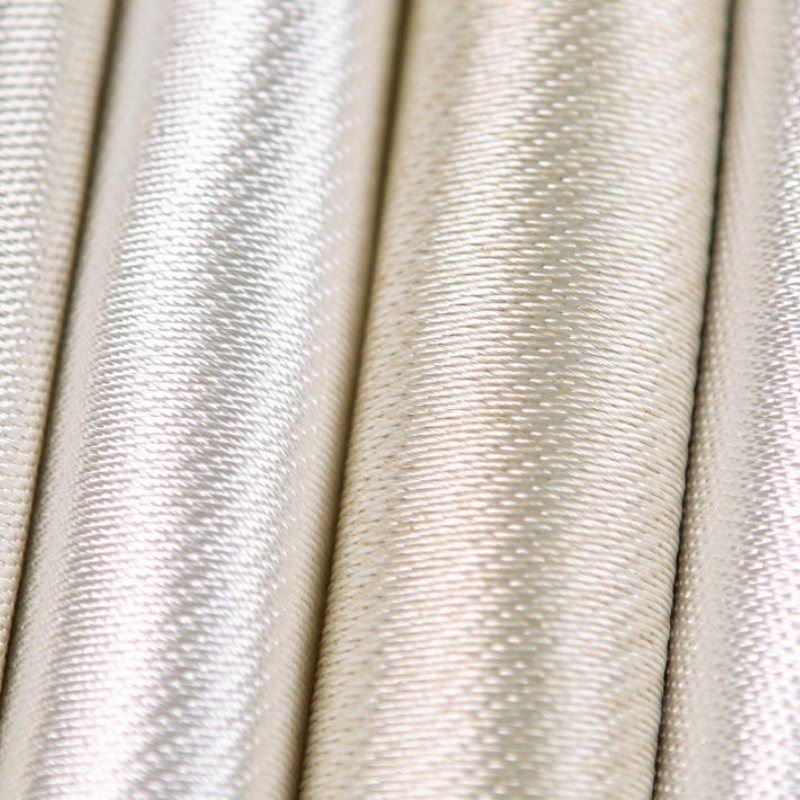
For heavy-duty welding blankets, 96% high silica fabric is recommended because it provides higher heat resistance and better protection in severe welding environments. For general welding blankets, 70% silica fabric may be sufficient.
Is 96% silica fabric better than 70% silica fabric for welding?
Yes, 96% silica fabric offers better high-temperature performance and is more suitable for heavy welding, cutting and molten splash protection. 70% silica fabric is more economical for general welding protection.
Should welding blanket fabric be coated?
Coating is recommended when the blanket needs better abrasion resistance, cleaner handling, improved spark resistance or longer service life. Silicone coating improves surface durability, while vermiculite coating improves spark and flame resistance.
Can silica fabric welding blankets be customized?
Yes. BSTFLEX can supply silica fabric rolls, cut sheets and finished welding blankets with custom size, coating, reinforced edges, grommets, high-temperature sewing thread and private label packaging.
Can silica fabric replace fiberglass fabric in welding blankets?
Yes. Silica fabric can replace fiberglass fabric when the application requires higher heat resistance, better thermal stability or stronger protection against severe welding spatter and hot particles.


 IPv6 network supported