How to Choose the Right Silica Sleeve Diameter, Wall Thickness and Construction
Selecting a silica sleeve is not simply a matter of choosing the highest temperature rating. The sleeve must also fit the protected component, accommodate connectors or fittings, remain flexible enough for the installation, and provide enough material thickness for the thermal conditions.
For hoses, cables, wires, pipes and equipment exposed to high radiant heat, the correct silica sleeve diameter and construction can make a significant difference in installation and service performance.
This guide explains the main sizing factors to consider when selecting a high temperature silica sleeve, including inside diameter, wall thickness, braid construction, expansion, flexibility and installation clearance.
Start With the Actual Outside Diameter
The first sizing parameter is the outside diameter of the component being protected.
For a cable, measure the finished cable rather than relying only on the conductor size. For a hydraulic hose, measure the actual hose OD and consider the larger dimensions created by fittings, ferrules or connectors. For a pipe or tube, use the finished outside diameter of the section that will be covered.
| Protected Component | Measurement to Check | Important Consideration |
|---|---|---|
| Hydraulic hose | Hose OD and fitting OD | Fittings may determine installation clearance |
| Electrical cable | Finished cable OD | Include cable jacket and protective layers |
| Wire bundle | Bundle OD | Measure the assembled bundle |
| Pipe or tube | Outside diameter | Check joints, bends and connection areas |
| Thermocouple or sensor cable | Finished assembly OD | Consider probes and connectors during installation |
Why Silica Sleeve Size Is More Than a Diameter Number
A silica sleeve has to work with the geometry of the installation. A sleeve that fits tightly over a straight cable may be unsuitable when the same sleeve has to pass over a connector or hose fitting.
Braided silica constructions can provide a degree of radial expansion, which makes installation easier on irregular shapes. However, expansion should not be treated as unlimited. The sleeve should still be selected according to the normal installed diameter and the actual dimensions of the assembly.
For applications with large connectors or fittings, check the largest section that the sleeve must pass over before finalizing the sleeve size.
How Much Clearance Should a Silica Sleeve Have?
The sleeve normally should not be selected solely by matching its nominal inside diameter to the component OD.
A small amount of clearance can make installation easier and allow the sleeve to move slightly with a flexible hose or cable. Excessive clearance, however, can leave unnecessary space between the sleeve and the protected component and may make routing or securing the sleeve more difficult.
The appropriate fit depends on the construction of the sleeve and the application.
| Installation Condition | Preferred Approach |
|---|---|
| Straight cable or wire | Select a close, practical fit around the finished OD |
| Flexible hydraulic hose | Allow enough clearance for hose movement and installation |
| Assembly with large fittings | Check the maximum fitting OD before selecting the sleeve |
| Bundled wires | Size according to the finished bundle diameter |
| Irregular components | Consider radial expansion and sleeve construction |
When Wall Thickness Matters
Silica sleeve wall thickness affects the amount of material between the heat source and the protected component. It can also influence flexibility, installation space and the overall construction of the thermal protection system.
A thicker sleeve is not automatically the best choice for every application. If the protected component moves frequently, excessive material can make routing more difficult. If the available installation space is limited, a bulky construction may also interfere with nearby components.
For high radiant heat exposure, the required construction should be evaluated together with the distance from the heat source, exposure duration, surrounding airflow and the allowable temperature of the protected component.
Choose Construction Based on Movement
Silica sleeving is available in different constructions because thermal protection requirements are not identical across applications.
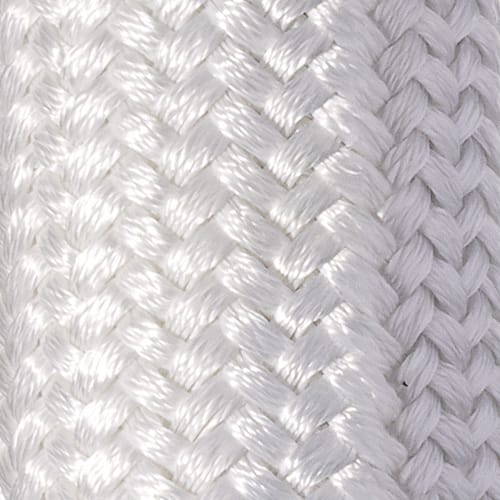
Braided Silica Sleeve
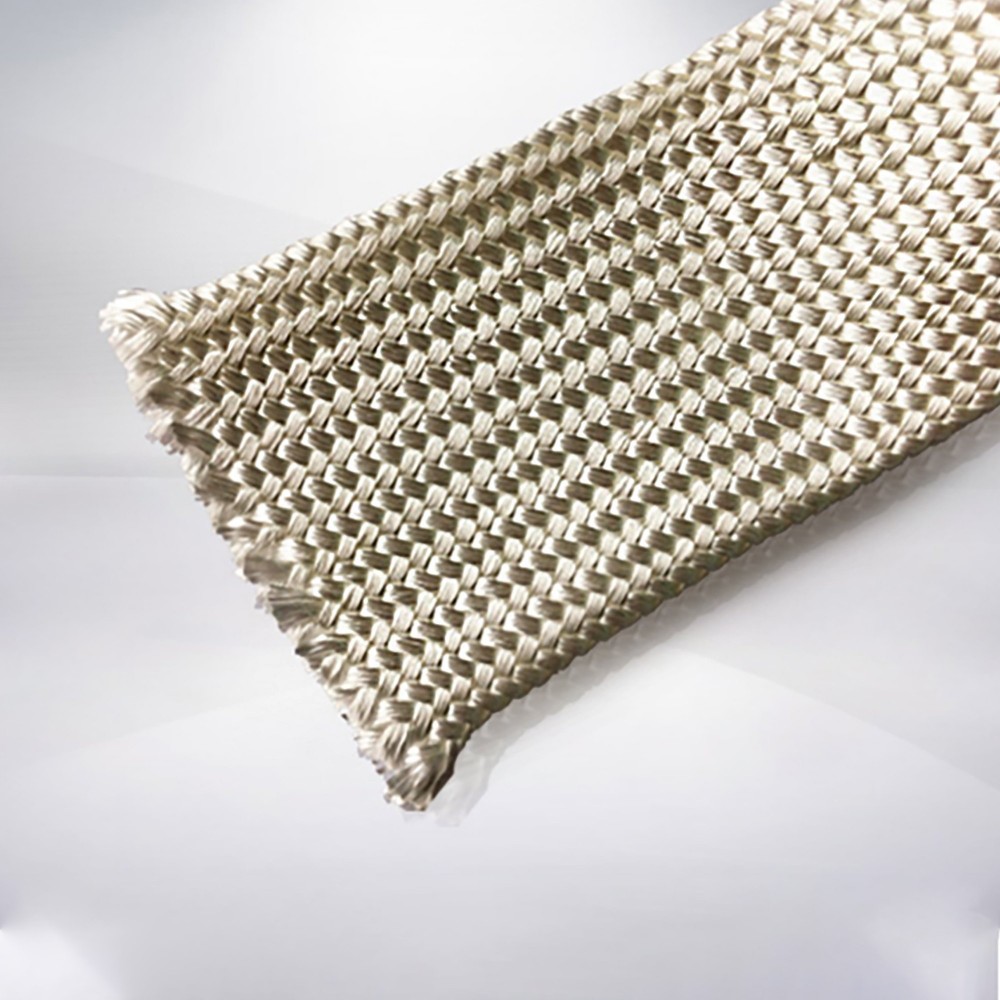
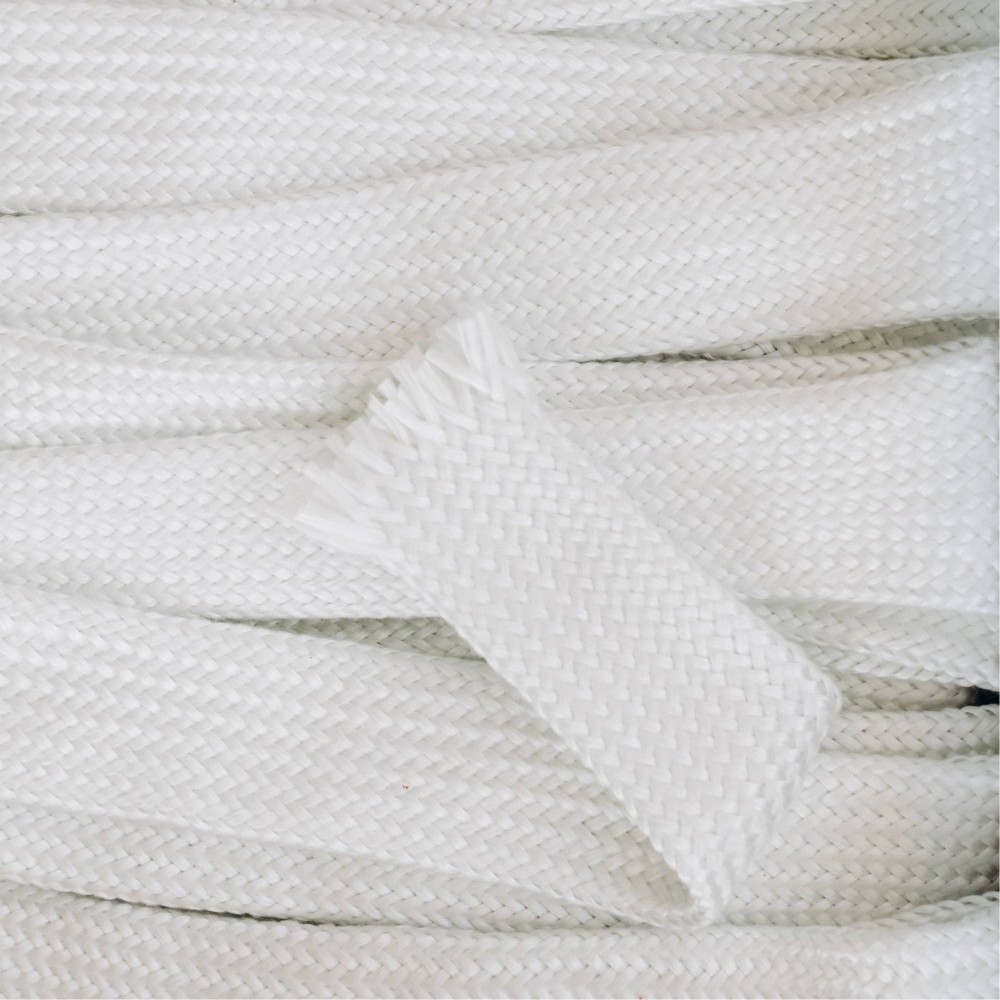
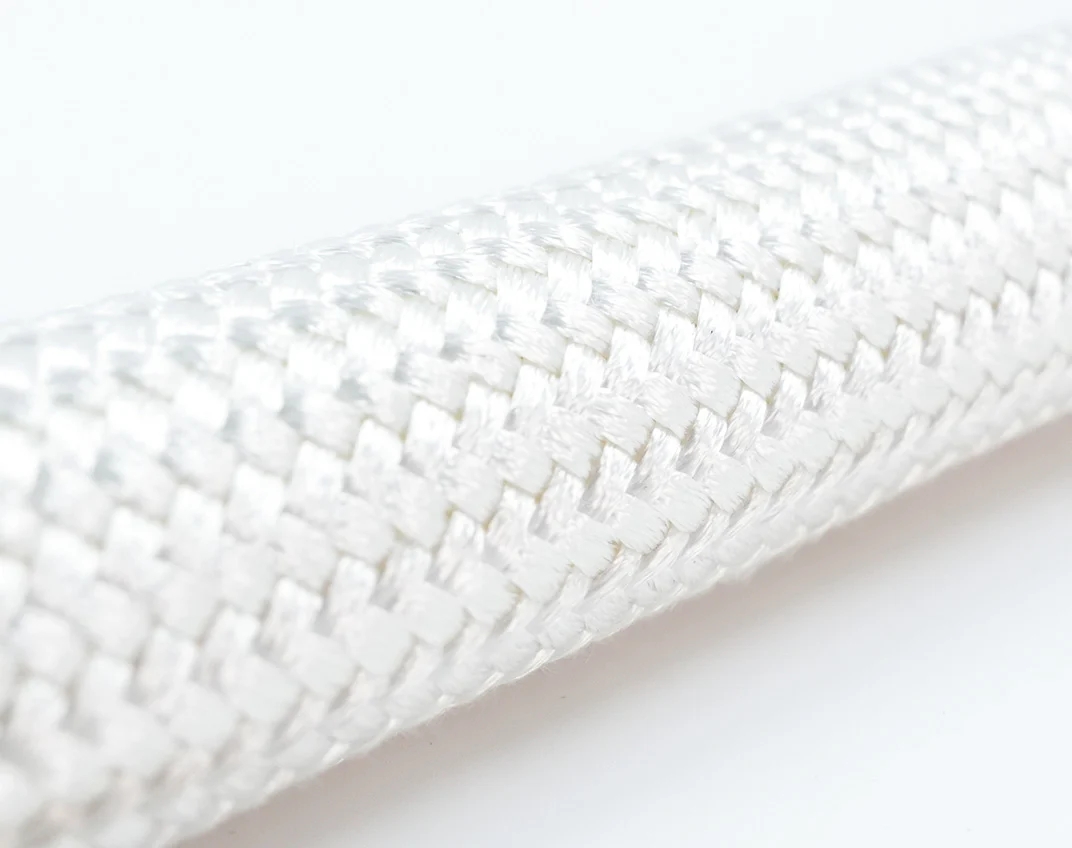
A braided silica sleeve is suitable when flexibility and installation around cables, hoses or irregular components are important.
The braided structure can accommodate changes in diameter and helps the sleeve conform to curved routing. This makes braided construction useful for automotive wiring, hydraulic hose protection and industrial cable assemblies.
For a high-temperature braided option, see the High Temperature Resistant Braided Silica Sleeve.
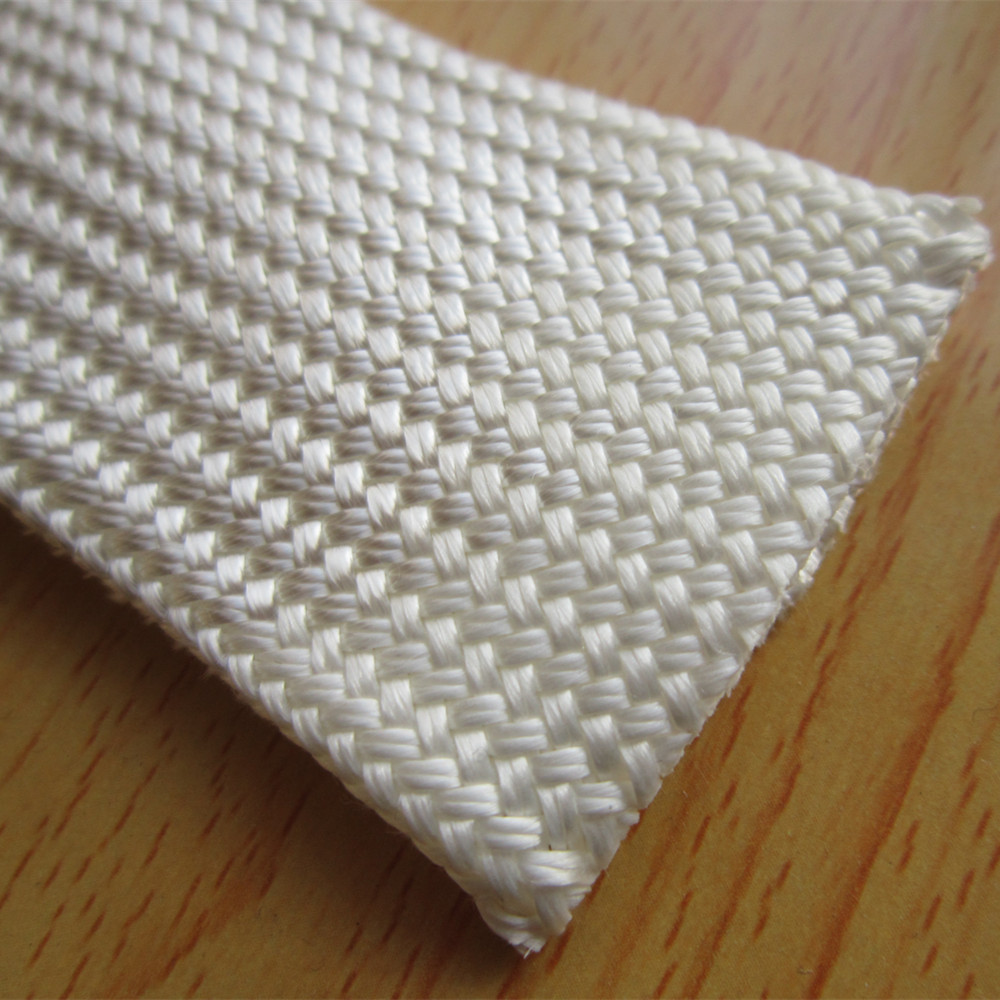
Texturized Silica Sleeve
Texturized silica construction provides a soft, flexible structure for applications where the sleeve needs to conform to the protected component.
It can be considered for hoses, cables, wires, hot pipes and equipment located close to high-temperature sources.
See the Heat Insulation Texturized Silica Sleeve for a texturized construction designed for high-temperature insulation applications.
Consider the Heat Source Before Selecting the Sleeve
Temperature rating should be evaluated together with the type of heat exposure.
| Heat Condition | Selection Factor |
|---|---|
| Radiant heat from exhaust components | Distance from heat source and exposure duration |
| Furnace environment | Ambient temperature and continuous exposure |
| Hot pipe or tubing | Surface temperature and available clearance |
| Engine compartment | Heat, vibration, movement and installation space |
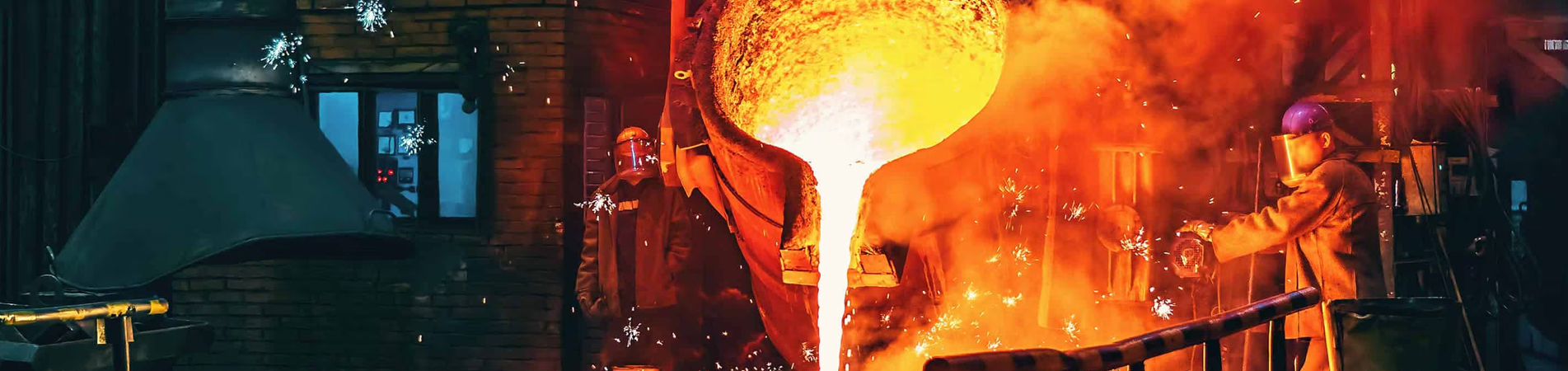
| Foundry or metal processing equipment | Radiant heat, abrasion and potential material splash |
It is also important to distinguish between a product's maximum temperature capability and its recommended continuous operating condition. The actual application temperature should be specified when requesting a sleeve rather than selecting a product based only on a headline temperature number.
Do Not Size the Sleeve Around the Hose Bore
One common mistake when purchasing a sleeve for hydraulic hose protection is using the hose nominal bore as the sizing reference.
For example, a hose identified by its internal bore does not necessarily have a corresponding external diameter. Different hose constructions can have different outside dimensions, and crimped fittings may be substantially larger than the hose itself.
For a silica sleeve for hydraulic hose, provide the actual hose OD and the maximum fitting or connector OD that the sleeve must accommodate.
Cable Applications Require a Different Sizing Approach
For electrical cables and wire harnesses, measure the finished assembly rather than the conductor itself.
A cable may contain insulation, shielding, outer jacketing and additional protective layers. A wiring harness can also change diameter at branch points or connectors.
Before selecting a silica cable sleeve, check:
- Finished cable or bundle diameter
- Connector dimensions
- Branch locations
- Bend radius
- Available installation space
- Expected movement and vibration
- Temperature at the cable location
Silica sleeving provides thermal protection, but the sleeve's high-temperature capability should not be interpreted as an automatic electrical insulation or dielectric rating. Electrical requirements should be evaluated separately.
Allow for Installation Method
The way the sleeve will be installed can influence the required size.
If the sleeve is installed over a loose cable or hose before the assembly is connected, the sleeve can often be selected close to the component diameter. If the sleeve must be installed over an existing connector, fitting or assembled hose, the largest outside dimension becomes a critical sizing parameter.
For permanent installations, the sleeve may also be secured with suitable end restraints to prevent unwanted movement. The restraint method should not damage the sleeve or create excessive compression.
Silica Sleeve Size Selection Example
Consider a hydraulic hose with an actual outside diameter of 25 mm. The hose is routed near a high-temperature exhaust component, and the crimped fitting that the sleeve must pass over has an outside diameter of 34 mm.
Selecting a sleeve based only on the 25 mm hose diameter may create an installation problem if the sleeve cannot pass over the 34 mm fitting.
The correct selection process is therefore:
- Measure the actual hose OD.
- Measure the maximum fitting OD.
- Determine whether the sleeve must pass over the assembled fitting.
- Consider the hose's movement and bend radius.
- Evaluate the heat source and exposure duration.
- Select the sleeve construction and diameter accordingly.
- Confirm the final dimensions with the supplier before production.
When a Larger Diameter Is Not Better
Oversizing a silica sleeve can appear attractive because installation is easier, but excessive clearance can create other problems.
A loose sleeve may shift during vibration, occupy more installation space and make it harder to keep the thermal protection positioned over the intended area.
For moving hoses and cable assemblies, the sleeve should accommodate the movement without becoming unnecessarily loose. The objective is a workable fit rather than simply choosing the largest available diameter.
When a Thicker Construction Is Not Better
The same principle applies to wall thickness.
A thicker construction may be appropriate when additional thermal protection is required, but it can increase stiffness and outside diameter. In a compact engine compartment or a tightly routed cable harness, those factors can become important.
Thermal performance, flexibility and available space should therefore be evaluated together rather than treating wall thickness as an independent specification.
Information to Include in an RFQ
A detailed RFQ allows a silica sleeve manufacturer to recommend a more suitable construction and size.
| Specification | Information to Provide |
|---|---|
| Application | Hose, cable, wire, pipe, furnace equipment or other component |
| Protected component OD | Actual outside diameter in mm or inches |
| Maximum OD | Largest fitting, connector or irregular section |
| Required length | Finished sleeve length |
| Heat exposure | Temperature, heat source and exposure duration |
| Movement | Static, vibration, bending or continuous movement |
| Installation method | Installed before or after fittings/connectors |
| Quantity | Prototype, small batch or production volume |
Providing these details is more useful than requesting a generic “high temperature sleeve.” It allows the supplier to evaluate diameter, construction and thermal requirements together.
Silica Sleeve Selection Checklist
- Measure the actual outside diameter of the protected component.
- Check the largest fitting or connector that the sleeve must pass over.
- Determine whether the assembly is static or moving.
- Evaluate the actual heat source and exposure conditions.
- Choose braided or texturized construction according to installation requirements.
- Consider wall thickness and available space.
- Check bend radius and routing restrictions.
- Specify any abrasion, fluid or environmental requirements.
- Confirm product temperature specifications with the supplier.
- Request samples when the application has tight dimensional or thermal requirements.
Get the Right Silica Sleeve for Your Application
The correct silica sleeve size depends on more than the nominal diameter of the component. Actual OD, fittings, installation method, flexibility, wall thickness, heat exposure and available space all influence the final selection.
BSTFLEX supplies high-temperature silica sleeving for hoses, cables, wires, pipes and industrial thermal protection applications. The silica sleeve product range includes braided and texturized constructions for different installation requirements.
For a quotation, provide the component diameter, required sleeve length, operating temperature, application and quantity. Contact us through our silica sleeve product page to discuss your requirements.
Frequently Asked Questions
How do I measure for a silica sleeve?
Measure the actual outside diameter of the finished component. For hoses and cables with fittings or connectors, also measure the largest section that the sleeve must pass over.
Should a silica sleeve fit tightly?
Not necessarily. The appropriate fit depends on the sleeve construction, component geometry and movement. A practical fit with sufficient installation clearance is generally preferable to either excessive compression or excessive looseness.
Does a larger silica sleeve provide better heat protection?
Not automatically. Thermal performance depends on the sleeve construction, material thickness, heat source, exposure time and installation conditions. An oversized sleeve can also move or occupy unnecessary space.
What is the difference between braided and texturized silica sleeve?
Braided silica sleeves are useful where flexible installation and radial expansion are important. Texturized silica sleeves provide a soft, conformable construction for thermal insulation around hoses, cables, wires and other components.
Can silica sleeve be installed over hydraulic hose fittings?
It can be possible when the sleeve diameter and construction are selected to accommodate the fitting. The maximum fitting OD should be provided when requesting the sleeve, particularly when the hose is already assembled.
Can silica sleeve be used for electrical cables?
Yes, silica sleeving can be used as high-temperature thermal protection for cables and wires. However, thermal protection and electrical insulation are separate performance requirements, so the electrical specifications of the complete system should also be evaluated.


 IPv6 network supported