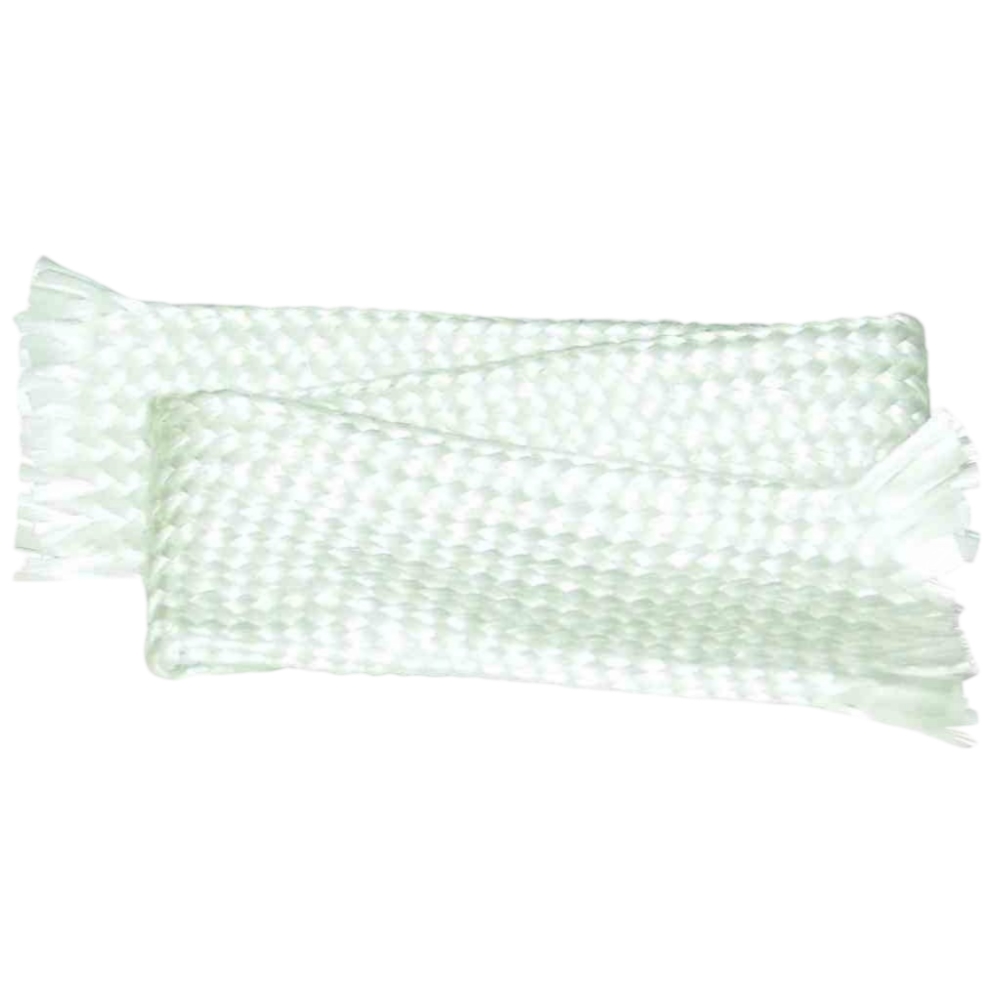
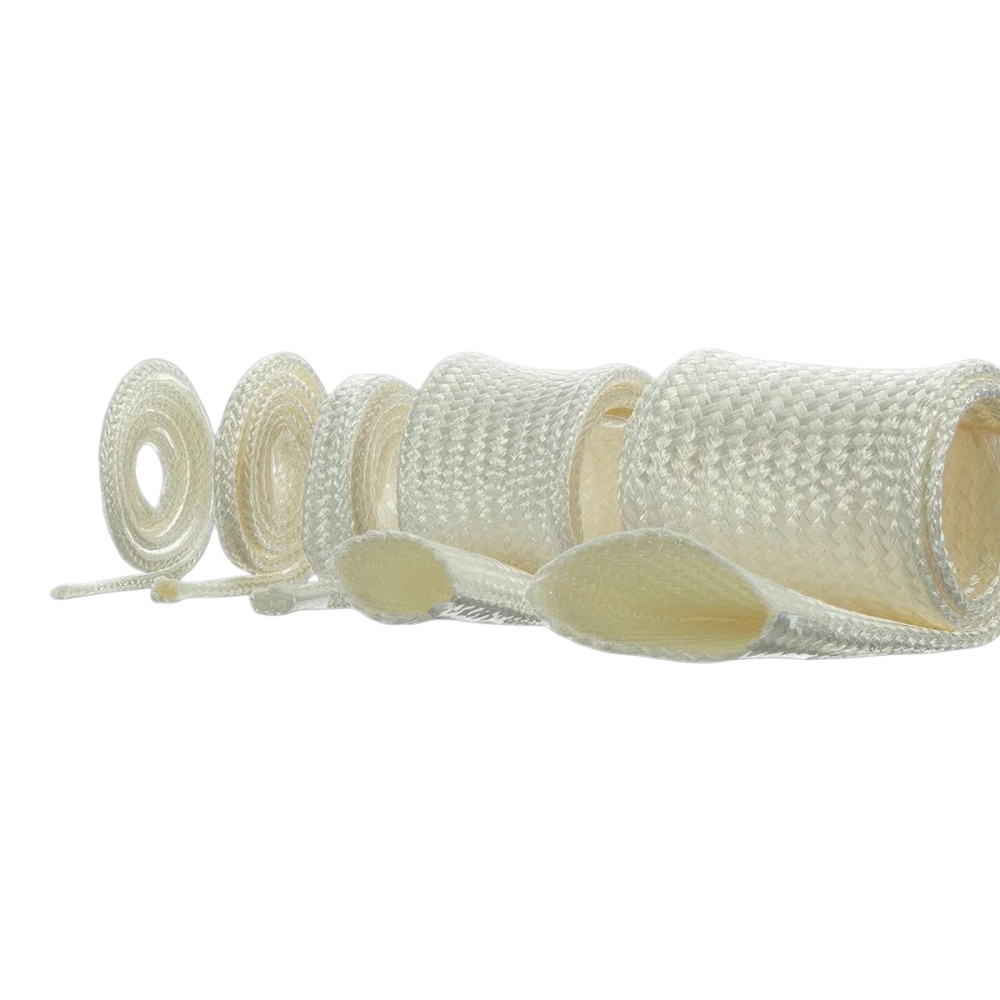
Silica Sleeve for Hydraulic Hose Heat Protection Hydraulic hoses often fail from heat long before the hydraulic system itself reaches an abnormal fluid temperature. The reason is simple: the outside of the hose may be exposed to radiant heat from exhaust manifolds, furnaces, casting equipment, hot steel, engine components or process piping while the fluid inside remains within its normal operating...
How to Choose the Right Silica Sleeve Diameter, Wall Thickness and Construction Selecting a silica sleeve is not simply a matter of choosing the highest temperature rating. The sleeve must also fit the protected component, accommodate connectors or fittings, remain flexible enough for the installation, and provide enough material thickness for the thermal conditions. For hoses, cables, wires, pipe...
Silica Sleeve for Furnace Cable and Thermocouple Protection Temperature measurement and control around furnaces depend on relatively small components that often operate in severe thermal environments. Thermocouple extension wires, sensor leads, burner wiring, ignition cables and instrumentation cables may be routed close to furnace walls, heated ducts, burners, kilns or other hot process equipment...
A soft, bulky sleeve can look convincing on a sample table. The more useful question is what happens to that structure after the sleeve is fitted around a component, secured at its ends and exposed to the intended heat cycle. Texturized silica sleeving uses silica yarn that has been processed to increase its bulk. That yarn structure is one part of the insulation design; installed thickness, texti...
A sleeve can pass a length inspection on the receiving bench and still leave part of an assembly uncovered. The purchase drawing may specify a cut dimension without defining the measurement condition or the coverage required after installation. For silica sleeve cut lengths, three details belong together: the finished dimension, the condition of each end and the way the sleeve will be fitted. Agre...
Large components create a different sleeve-selection problem from small wires and standard hose sizes. As diameter increases, fitting clearance, braid expansion, installed length, wall geometry and available installation space become more important to the finished assembly. A large diameter silica sleeve may be required around an oversized hose, process pipe, duct, cable bundle or irregular compon...